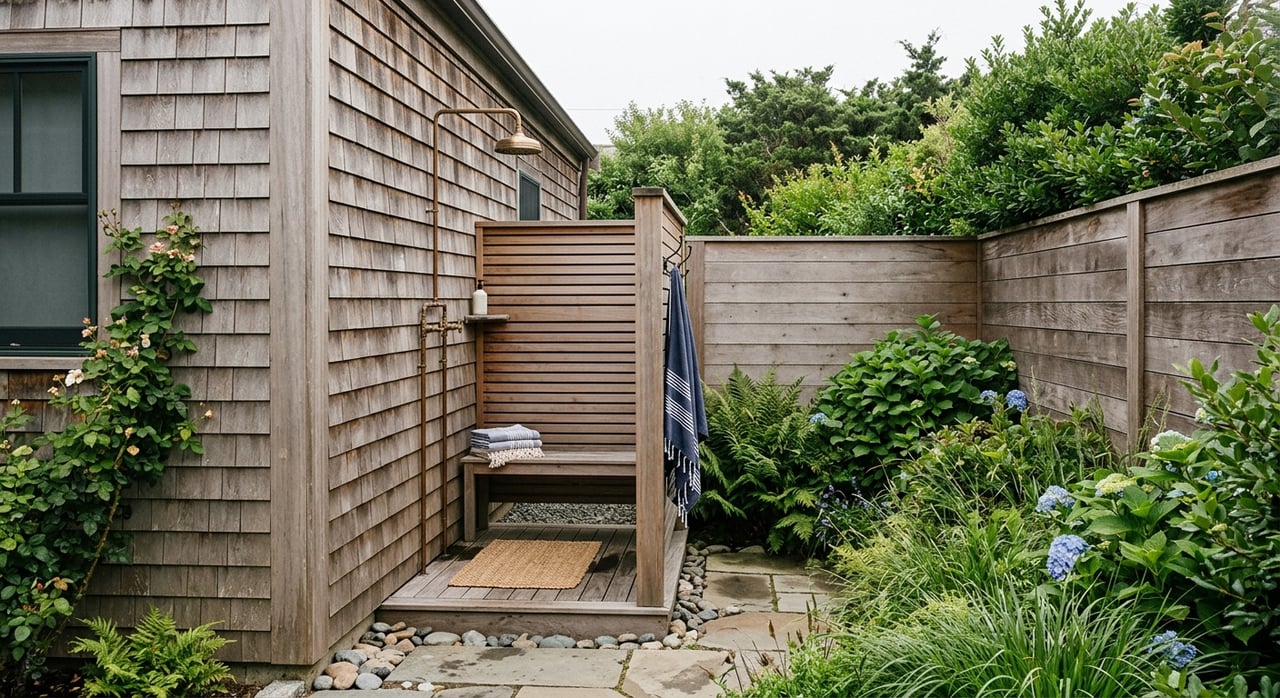
Narragansett Second Home Buying: What to Know
July 23, 2026
July 23, 2026
Wondering whether a second home in Narragansett is worth it? You are not alone. For many buyers, the appeal is obvious: coastal access, seasonal flexibility, and the chance to own in one of Rhode Island’s most sought-after beach markets. But in a town where inventory is tight and ownership costs can shift quickly, buying well means looking beyond the postcard view. This guide walks you through the key considerations, from beach area fit to taxes, flood exposure, and rental rules, so you can move forward with more confidence. Let’s dive in.
Narragansett remains a high-demand coastal market, and the numbers point in the same direction even when different data sources use different methods. Average and median pricing sit well into the upper tier, inventory is limited, and homes can move quickly once listed.
For you as a second-home buyer, that means two things. First, timing matters. Second, micro-location often matters just as much as the house itself. In Narragansett, being near the right beach experience, traffic pattern, or ferry access point can shape your ownership experience more than an extra bedroom or a larger lot.
If you want a walk-to-beach lifestyle, Little Neck and the Pier Village area deserve a close look. This part of town connects closely with Narragansett Town Beach, where access is more structured through seasonal parking, admission passes, and optional cabana, locker, and changing-room programs.
That setup creates a distinct ownership experience. You may gain convenience and a classic summer setting, but you should also expect a more seasonal rhythm and managed beach access rather than a fully open public-shore feel.
Scarborough North and Scarborough South are better fits if you picture broad ocean frontage and a classic open-beach atmosphere. Together, they offer expansive beachfront, boardwalk access, amenities, and large parking areas.
For many buyers, this is the part of Narragansett that feels most like the traditional Rhode Island beach scene. The trade-off is easy to understand: more open-ocean access can also mean heavier summer traffic and more activity during peak season.
If your ideal second home revolves around boating, seafood, or quick access to the Block Island ferry, Point Judith and Galilee stand out. This area is tied closely to harbor activity, the breakwater system, and the ferry dock.
Nearby beaches also shape the lifestyle. Roger Wheeler offers calm water and gentle surf, while Salty Brine sits beside the active Galilee waterfront and restaurant scene. For many buyers, this area is less about surf and more about convenience, boating access, and easy summer days.
Bonnet Shores has a long history as a summer community, and town planning documents note a mix of modest homes on smaller lots along with more suburban-style single-family development in parts of the North End and Bonnet Shores. The same planning material also notes that Bonnet Shores can house a substantial number of college students during the school year.
That does not make it a fit or misfit on its own. It simply means you should match your expectations to the setting. If you are looking for a very quiet retreat, it is smart to study the exact street, nearby parking areas, and seasonal activity patterns before you buy.
Some buyers want a second home that feels more private and less tied to beach-day traffic. Town planning documents point to larger lots and more substantial neighborhoods south of Bonnet Shores and along the rocky shore toward Anawan Cliffs.
If privacy is high on your list, these areas may be worth extra attention. In a market like Narragansett, the difference between a lively summer setting and a calmer retreat can come down to a few streets.
Narragansett’s current residential tax rate is $7.04 per $1,000 of assessed value. The town assessor also says the next statistical revaluation is expected to begin in spring 2026, with new assessment notices expected in early 2027.
That matters because your carrying costs may change after closing. Before you commit to a monthly budget, make sure you verify the current tax bill and understand whether a future reassessment could affect your ownership costs.
Narragansett’s homestead exemption is tied to owner-occupied residential property and can be worth up to 10% of assessed value. In most second-home scenarios, you should not assume that benefit applies unless the property becomes your primary residence.
For buyers comparing year-round living with seasonal ownership, this is an important distinction. A home that looks manageable on paper can feel different once you price it without owner-occupant tax relief.
In coastal Narragansett, flood exposure is not a side issue. The town’s flood overlay district includes FEMA special flood hazard zones such as A, AE, AH, AO, A99, V, and VE.
That means you should treat flood mapping, elevation, and insurance implications as core parts of your due diligence. Before making an offer, confirm where the property sits on the map and how that may affect both insurability and ongoing ownership cost.
Some costs are financial, and some are practical. Narragansett’s Water Division limits lawn and landscape watering between June 1 and August 31 by irrigation district, with no watering on Wednesday, Saturday, or Sunday, or on weekdays from 10 a.m. to 2 p.m.
If your second home may sit vacant for part of the summer, those details matter. They can affect landscaping plans, maintenance routines, and the way you set up property oversight when you are not in town.
If you plan to use Rhode Island state beaches often, parking logistics should be part of your decision. State beach parking rates are based on vehicle registration, not home ownership.
For 2026, Rhode Island-registered vehicles pay $6 on weekdays and $7 on weekends and holidays, with a $30 resident season pass. Out-of-state vehicles pay $12 on weekdays and $14 on weekends and holidays, with a $60 nonresident season pass.
DEM also notes that new online passes can take 7 to 10 days to verify before Memorial Day. In peak season, lot occupancy is monitored in real time, and lots can close when full. If your second-home lifestyle depends on frequent beach use, getting your vehicle and pass plan organized early can make ownership much smoother.
If you hope your second home will offset costs through rentals, start with Narragansett’s annual rental registration system. The town uses one registration form for academic, academic/summer, summer-only, yearly, and short-term rentals.
Registration runs from September 1 through August 31 and costs $120 per unit annually. Late registration or failure to register can bring penalties, so this should be part of your planning from the start.
Narragansett’s short-term rental ordinance took effect on September 1, 2024. It requires a permit, a local representative, an initial inspection, proof of at least $1 million in liability insurance, and compliance with parking and occupancy rules.
Permits expire on August 31 and do not renew automatically. The ordinance also allows denials for unresolved code issues, past-due property taxes, or town liens. Starting with the permit year beginning September 2026, the permit cap drops to 900, with a waiting list if applications exceed that number.
Rhode Island’s rental tax rules changed effective January 1, 2026. All short-term rentals are subject to a 2% local hotel tax, and a residential dwelling rented in its entirety for 30 days or less is also subject to a 5% whole-home short-term rental tax, in addition to sales tax.
That layered tax structure can materially affect your projected returns. If rental income is part of your buying strategy, test your assumptions carefully before deciding what you can comfortably spend.
A separate statewide Non-Owner Occupied Property Tax became effective July 1, 2026. It applies to residential properties assessed above $1 million that are not the owner’s primary residence or are not occupied by the owner for 183 days or more in the privilege year, though some long-term rentals and qualifying short-term rentals may be exempt if rented for 183 days or more.
In a market where many second homes can exceed the $1 million threshold, this is a major issue to review early. For seasonal buyers, carrying costs can look very different once this tax is added to the picture.
If you plan to rent to multiple unrelated occupants, property classification deserves extra attention. Narragansett’s Fire Safety Code information states that occupancy type affects required fire protection, inspection frequency, and overall safety expectations.
This is especially important for short-term rentals or homes that may host multiple unrelated guests. Before purchasing with that use in mind, make sure the property’s setup aligns with your intended use.
A second home works best when it fits the way you actually plan to use it. In Narragansett, that usually starts with a few simple priority questions.
Think beyond distance to water. Roger Wheeler and Salty Brine are known for calmer, more protected beach conditions, while Scarborough North and South offer a more open-ocean setting with larger public beach areas.
That difference can shape your day-to-day experience more than a map pin ever will. If beach use is central to your plans, focus on the type of beach experience you want first.
Point Judith and Galilee are the most practical areas to study. Their connection to the harbor, breakwater system, and Block Island ferry makes them the clearest fit for buyers who plan to spend time on the water or head offshore often.
Look carefully at streets farther from the busiest beach parking and ferry nodes. Larger-lot areas and less trafficked pockets can offer a very different ownership experience, even within the same town.
Roger Wheeler may be especially appealing. DEM describes it as a family beach with gentle surf, concessions, a playground, and an environmental education area, which can make it easier for households with a wide age range to enjoy the property together.
Buying a second home in Narragansett can be exciting, but it works best when your purchase is grounded in the realities of the local market. The right home is not just about curb appeal or proximity to the water. It is about matching location, carrying costs, beach access, flood considerations, and rental rules to the way you want to live.
When you approach the search with that level of clarity, you give yourself a much better chance of buying a home that feels rewarding year after year. If you are considering a second home in Narragansett and want thoughtful, high-touch guidance through the process, connect with Kira Greene.
Stay up to date on the latest real estate trends.
Ask Kira and she will happily tell you why Providence is an amazing place to call home, with the culture and diversity of a large city and the charm of a small-town community.
Please get in touch to receive market information, listings, or to meet in person!
(401) 339-5621
[email protected]
ADDRESS
369 S Main St
Providence, RI 02903