What’s New Near Main Street in East Greenwich?
August 27, 2026
August 27, 2026
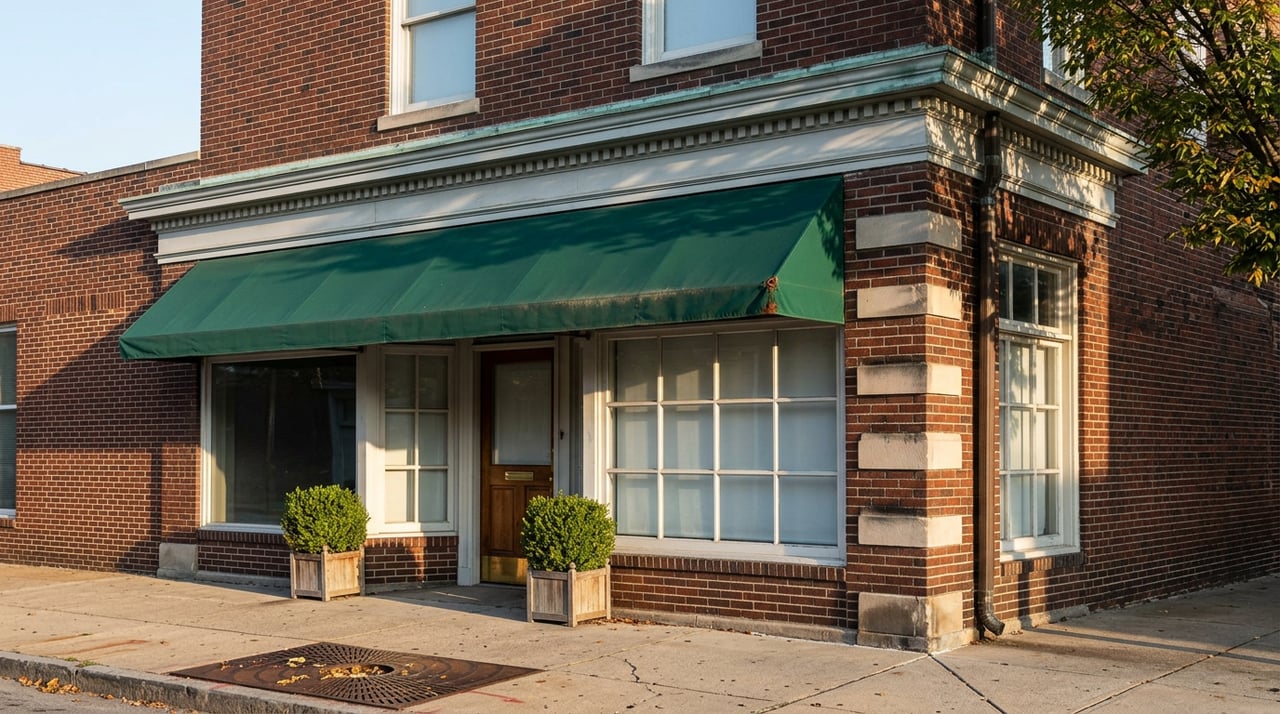
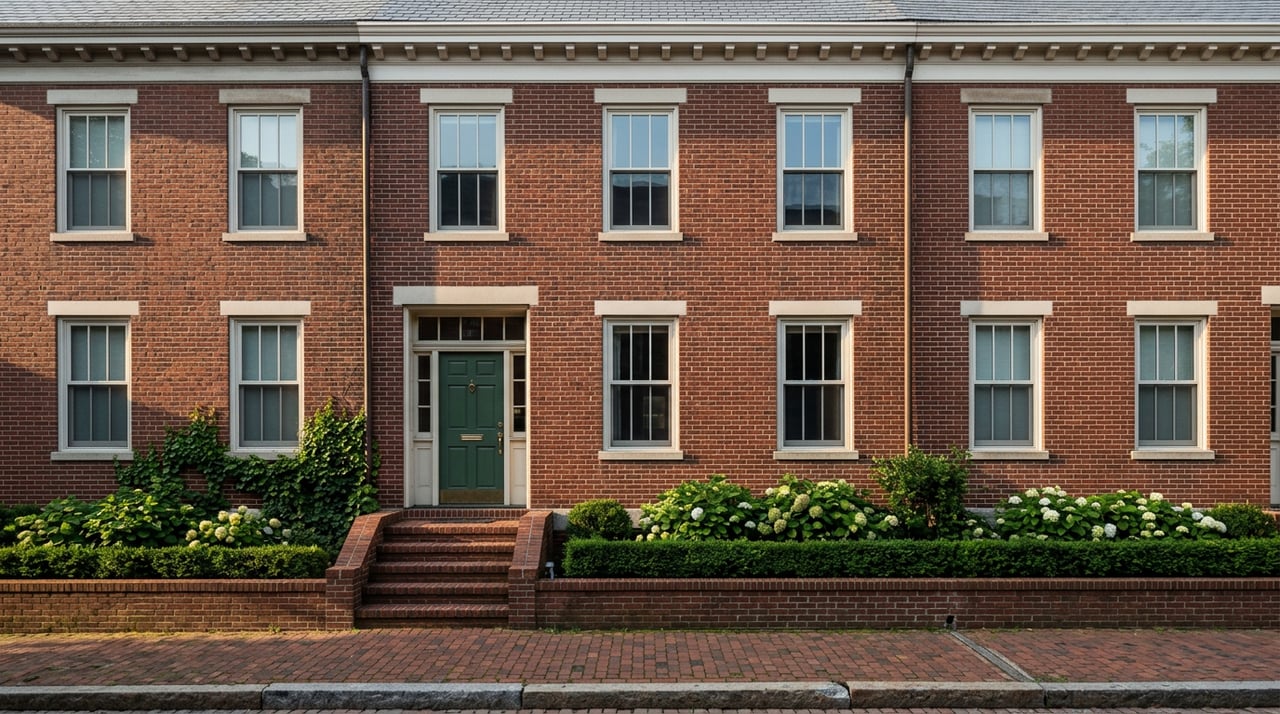
Walk Main Street in East Greenwich this week and it looks the way it always looks in late August: awnings out, sidewalk tables full, the same brick facades that have anchored this block for well over a century. If you're judging expansion by what's visible from the sidewalk, you'd say nothing much has changed. That read is wrong, and the reason it's wrong tells you something about how this particular Main Street actually grows.
The storefront row on Main Street is a fixed asset. It's a 19th-century block, built out, with no empty lots waiting for a developer. When a new business wants in, it either waits for a lease to turn over on the primary frontage, or it finds space one layer back. Lately, more of it has been happening in that second layer, and the businesses that start there don't always stay there.
Some turnover does happen right on the strip, and it's worth naming because it's the exception, not the rule. MarketOn! Main opened this year in the space at 333 Main Street that had been Knead Donuts, one of the more visible corners on the block. Owner Elise Babey built it as a quick-service spot: gourmet coffee, fresh-baked goods, breakfast sandwiches, deli grinders, and grab-and-go grazing boards, the kind of daytime menu that turns a coffee stop into a lunch stop. Visit Rhode Island's own guide to the street now points people there for sandwiches and salads, calling it the spot locals are still buzzing about. When a storefront on the primary row does change hands, it draws attention precisely because it's rare.
That's the visible kind of change. The more interesting kind is happening where you can't see it from the sidewalk at all.
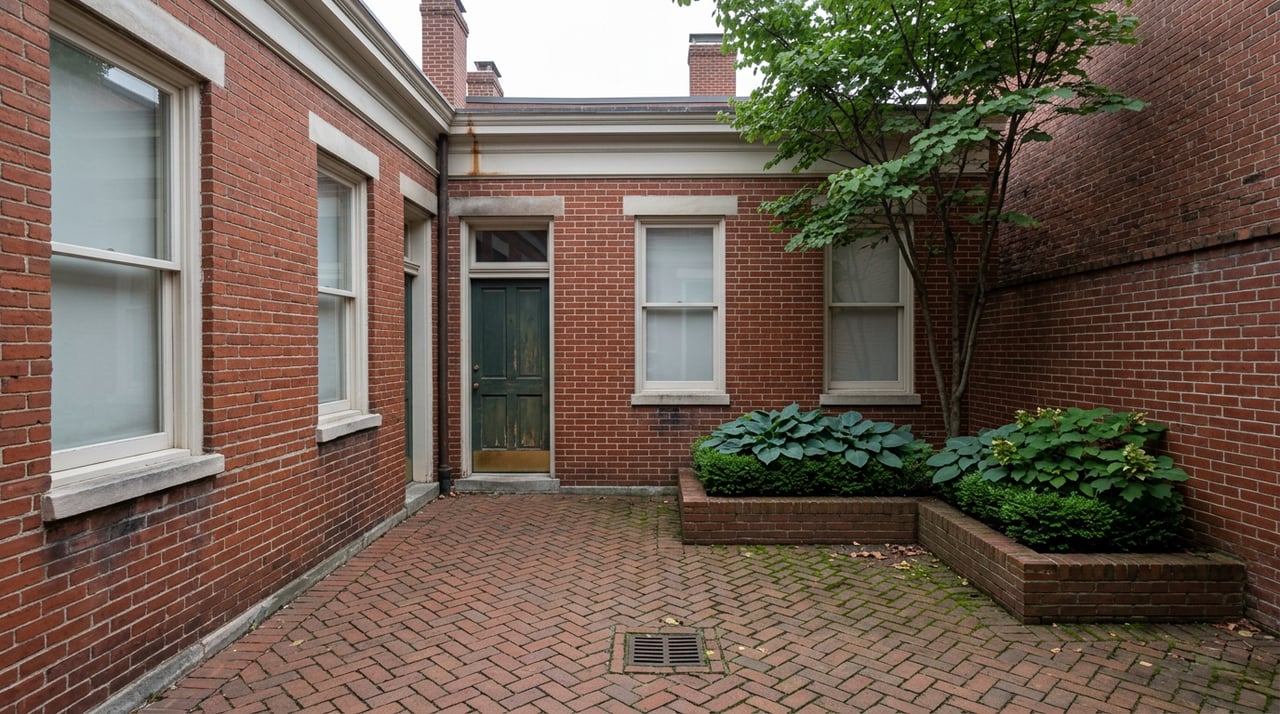
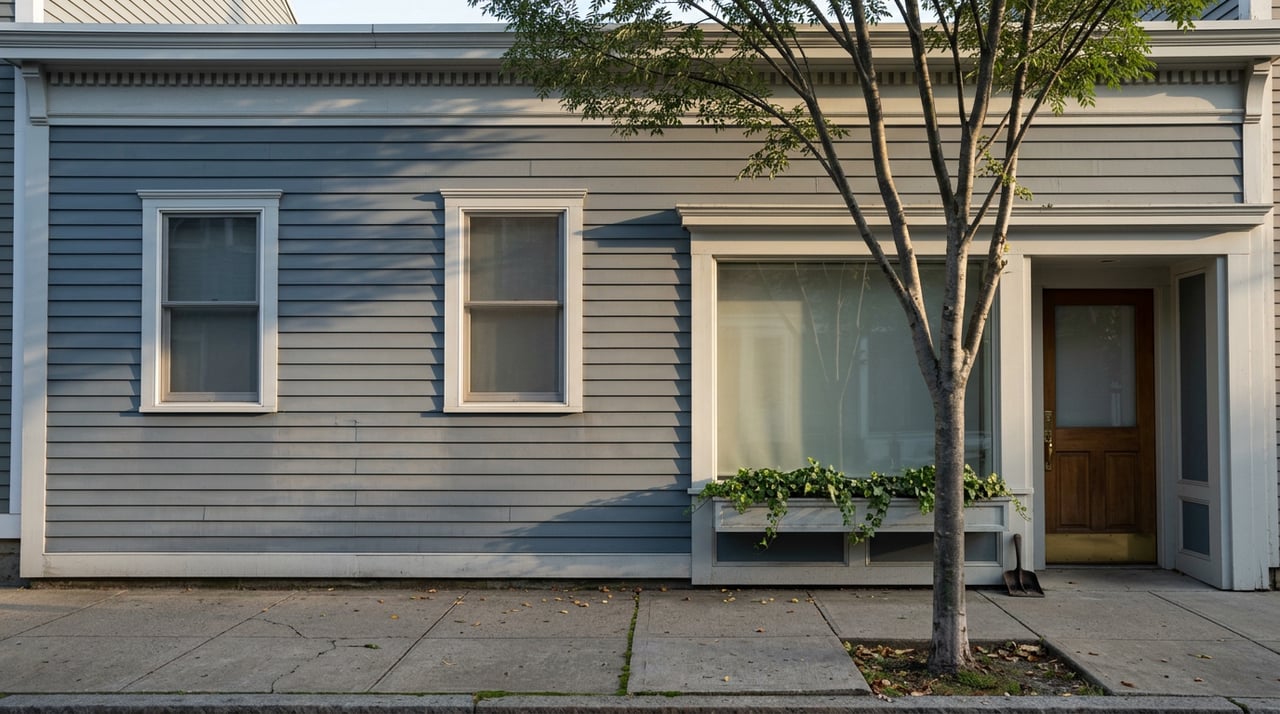
Last November, three new businesses opened together at 461 Main Street, in a retail space tucked off the alley between that building and Centreville Bank. Locally, people have started calling the cluster Alley on Main, and it's an accurate name. You don't stumble onto it walking the sidewalk. You have to know to turn in.
The three tenants:
None of the three had frontage on Main Street itself when they opened. They had a storefront in an alley, which in a built-out downtown is what's available to a new small business that isn't ready to compete for the handful of leases on the primary row.
Here's the part that matters if you're trying to understand how this street actually works: Relentless Boutique didn't stay in the alley. Visit Rhode Island's current guide to the street describes the boutique's new home as closer to the center of Main Street, meaning it has since moved out of that second-tier alley space and onto the visible frontage. One shop out of the original three graduated. The other two are still running out of the alley address.
That's the mechanism. The alley isn't a dead end for a business. It's a staging area. You open where the rent and the lease terms let you get a foothold, you build a customer base, and if it works, you move up to the block everyone actually walks past. Main Street's storefront count looks stable from the outside because it is stable. The turnover is happening in the tier behind it, and only the successful graduates make it far enough to become visible.
None of this churn touches the businesses that have been doing the daily work of Main Street for years. Scotti's Salumeria is still turning out Italian sandwiches with imported meats and cheeses. Scoops on Main is still the ice cream stop where you'll see kids and adults alike parked on the sidewalk with a cone. Graze on Main is still where the street wakes up, coffee and charcuterie boards drawing the first foot traffic of the day. These places aren't part of the alley-to-frontage pipeline because they never needed it. They got their spot on the row early and they've held it.
That's worth sitting with if you've lived here a while and assumed the street was static. It isn't static. It's just that the stable core and the churning edge are two different populations of businesses, and only one of them is visible unless you go looking.
The retail story is about space. The event calendar is about timing, and late August into September is when East Greenwich's civic and cultural anchors do their heaviest lifting of the year.
None of this is new infrastructure. The Odeum, the Varnum House, Eldredge Field, all of it existed last year and the year before. What's new is the programming layered onto those same spaces, which is its own version of the alley-to-frontage pattern: the venues are fixed, and what changes season to season is who's booked into them.
If you live here, the practical takeaway is simple: don't judge what's new on Main Street by what's changed on the block you already know by heart. The Knead Donuts space becoming MarketOn! Main is the kind of change you'll notice without trying. The alley shops at 461 Main are the kind you'll only notice if you make a habit of turning down side passages you'd normally walk past. Both are real growth. One is just easier to see.
The town's Comprehensive Plan process is currently working through a public engagement phase focused specifically on the future of housing in East Greenwich, which is a separate conversation from what's happening at street level today. But the retail pattern on Main Street is a useful reminder for anyone thinking about the town more broadly: in a place with a fixed historic core, growth doesn't always show up as something new being built. Sometimes it shows up as a business quietly proving itself in a space you'd never find on purpose, then moving twenty feet onto the block everyone already walks.
If you're weighing what a home near this kind of downtown is actually worth, or you're curious what's changed in the East Greenwich market itself, Kira Greene can walk you through it. Request a Complimentary Market Consultation to talk specifics.
Stay up to date on the latest real estate trends.
Ask Kira and she will happily tell you why Providence is an amazing place to call home, with the culture and diversity of a large city and the charm of a small-town community.
Please get in touch to receive market information, listings, or to meet in person!
(401) 339-5621
[email protected]
ADDRESS
369 S Main St
Providence, RI 02903