Northern Rhode Island Commuter Homes for Boston and Providence
July 9, 2026
July 9, 2026
If you need easier access to Providence and a practical route into Massachusetts, northern Rhode Island deserves a serious look. This part of the state offers a mix of space, varied housing stock, and commuter-friendly road access, but it is not a hidden bargain market. If you are weighing North Smithfield and nearby towns, this guide will help you understand the commute, the housing mix, pricing, and what to expect when you start competing for a home. Let’s dive in.
For Providence commuters, the strongest case for northern Rhode Island is the Route 146 and I-295 corridor. RIDOT notes that Route 146 runs from I-95 in Providence to Route 123 in Lincoln, which makes it a direct regional route for people traveling toward Providence.
North Smithfield sits along that same corridor, which is one reason it stays on the radar for buyers who want more room without losing access to major roads. RIDOT also reports that about 171,000 vehicles use Route 146 daily, underscoring how important this road is to the area.
For Boston commuters, the better way to think about northern Rhode Island is as a regional access play, not a close-in Boston suburb. The Route 146 and Route 495 connection creates a northbound path into Massachusetts, which can make North Smithfield and nearby towns appealing if your work pattern is flexible or not centered on a daily trip into Boston’s core.
Commute access is a real advantage, but buyers should also know that Route 146 is under active reconstruction in North Smithfield. RIDOT says the project runs from the I-295 interchange to the Massachusetts state line and is scheduled for completion in 2026.
That matters because the project currently involves detours, closures, and frontage-road access changes in North Smithfield. In practical terms, the corridor remains useful, but your day-to-day drive may feel less predictable while construction continues.
If you are home shopping with commuting in mind, this is the kind of detail worth factoring in early. A home that looks ideal on paper may feel different depending on which access points you need most often.
North Smithfield does not read like a dense suburban market. Its zoning code points to a lower-density development pattern, with large lot requirements in residential districts and a housing layout that tends to offer more land than many closer-in Providence suburbs.
In RS districts, single-family homes require 40,000-square-foot lots, while two-family homes require 80,000 square feet. In RA districts, single-family homes require 65,000 square feet and two-family homes require 130,000 square feet. Those standards help explain why the town often feels more spread out.
The town’s comprehensive plan also says about two-thirds of its Suburban Residential land has already been subdivided and developed. For buyers, that suggests a market where the overall pattern is established rather than rapidly transforming into dense new subdivisions.
North Smithfield is best understood as a collection of villages and residential pockets rather than one uniform housing environment. The town identifies Branch Village, Crystal Lake, Forestdale, Primrose, Slatersville, Union Village, Waterford, and Woonsocket Hill as part of its local pattern.
That village structure influences what you will see as you shop. Some areas may feel tied to older settlement patterns, while others reflect later suburban growth along existing roads.
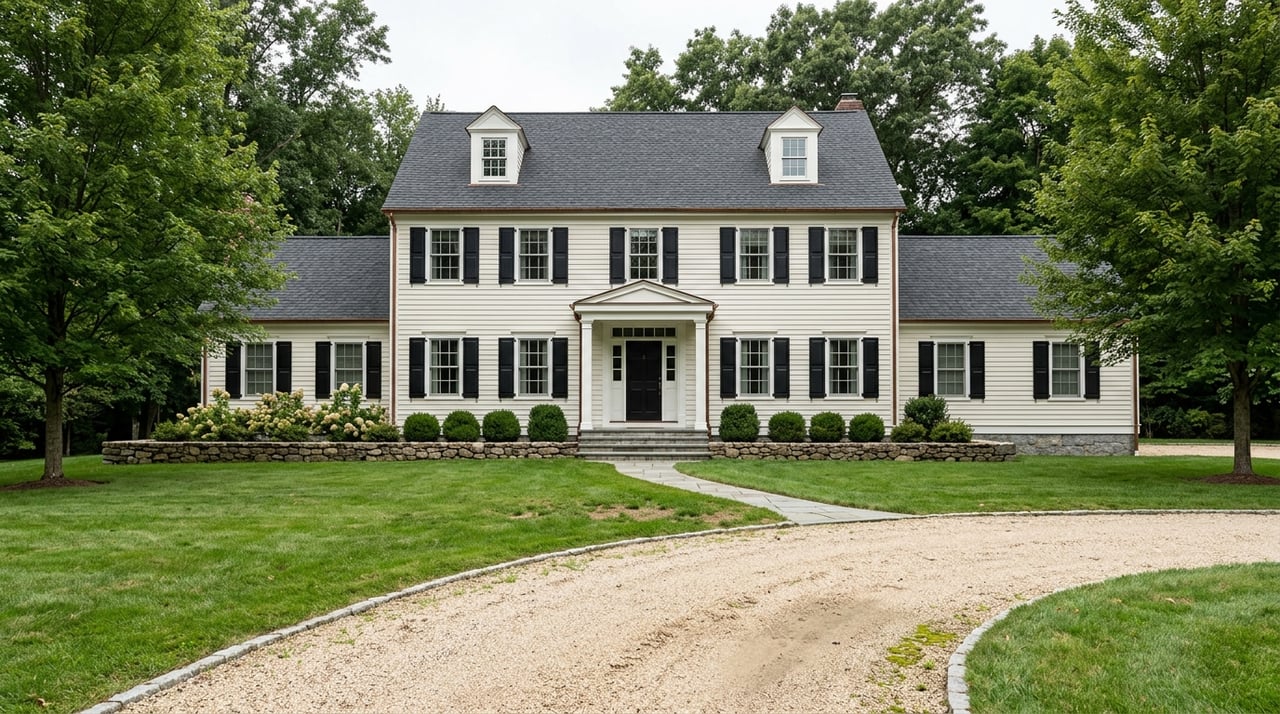
The town’s historical survey describes postwar development as a mix of individually built houses along pre-existing roads and subdivision housing. It also notes styles such as split-level, log cabin, garrison colonial, contemporary, and Pueblo-Mission, which gives you a good sense of the variety on the ground.
If you are drawn to older homes, Slatersville stands out. The National Park Service describes it as America’s first planned mill village, and notes that some of the earliest worker housing dates to around 1810.
That history matters because homes in and around Slatersville can feel quite different from later-built properties elsewhere in town. Scale, layout, exterior details, and setting may all differ from the more mid-century or suburban-style homes you might also tour in North Smithfield.
For some buyers, that character is a major draw. For others, it means doing more homework before making plans for changes or updates.
North Smithfield is one of Rhode Island’s communities with local historic district zoning. According to the state preservation office, exterior alterations and new construction in local historic districts are reviewed by the local historic district commission.
That is especially relevant if you are considering a home in the Slatersville Historic District. If you think you may want to replace windows, change siding, build an addition, or make other exterior changes, it is smart to understand the review process before you buy.
This does not mean a historic purchase is harder across the board. It means you should go in with a clear picture of the approval path and timeline if exterior work is part of your plan.
North Smithfield is not the only option for Providence-area commuters looking north. Lincoln, Cumberland, and Smithfield also fit into the broader Route 146 and I-295 conversation.
These towns share some regional similarities, but they are not identical. The broader Blackstone Valley pattern includes village housing, older New England homes, and later suburban infill rather than one single housing type.
Research on nearby communities helps illustrate that point. In Lincoln, Ashton is described by the National Park Service as one of the best-preserved Rhode Island System mill villages, with townhouses, tenement houses, and row houses, while surveys also note colonial and Federal-era homes. Cumberland’s historic overview points to small farms, hamlets, and later mill villages.
For you as a buyer, the takeaway is simple: northern Rhode Island offers variety. The right fit may depend less on the town name alone and more on whether you want village character, older housing stock, larger lots, or a more suburban setting.
Current market snapshots place northern Rhode Island in a fairly wide but still competitive price band. Based on recent median sale prices, a practical range across this commuter-oriented area is roughly the low $400,000s to the mid-$500,000s, with larger or more upgraded homes often landing above that range.
In North Smithfield, the median sale price was reported at $499,701 for the three months ending May 2026. Nearby Lincoln was at $446,733, Smithfield at $504,698, Cumberland at $559,665, Providence County overall at $483,550, and Woonsocket at $412,253.
Those numbers are helpful as a snapshot, not a strict pricing rule. Even within one town, home style, lot size, updates, and location within the commuter corridor can shape where a property lands.
One of the most important things to understand is that northern Rhode Island is more of a value-and-space tradeoff than a bargain market. You may find more land, a broader mix of home styles, or a different setting than you would closer to Providence, but buyers are still competing hard for well-positioned homes.
North Smithfield is described as very competitive, with homes selling in about 15.5 days and a sale-to-list ratio of 101.5%. Lincoln is also very competitive at 29 days on market and a 101.1% sale-to-list ratio.
Cumberland is also reported as very competitive, with about two offers on average, about 23 days on market, and sales running about 2% above list price. Providence County overall shows 22 days on market, a 101.1% sale-to-list ratio, and 55.5% of homes selling above list.
Smithfield is also in that competitive mix, with a median sale price of $504,698 and homes selling after about 25 days on market. Even Woonsocket, which sits at the lower-priced edge of this broader conversation, posted a median sale price of $412,253 and a median of 25 days on market.
If you are targeting this part of Rhode Island, speed and preparation matter. In a market where multiple offers are common and sale-to-list ratios often top 100%, the strongest buyers are usually the ones who are ready to act.
A few basics can make a real difference:
This region can be a great fit if you want more lot space, more housing variety, or a setting outside Providence while still staying connected to major routes. The key is matching your priorities to the right town, village area, and home type.
Northern Rhode Island can work especially well if you commute to Providence, travel regionally into Massachusetts, or want a broader range of housing styles than you may find in more uniform suburban pockets. It can also appeal if you value an established residential pattern over a heavily built-out new development feel.
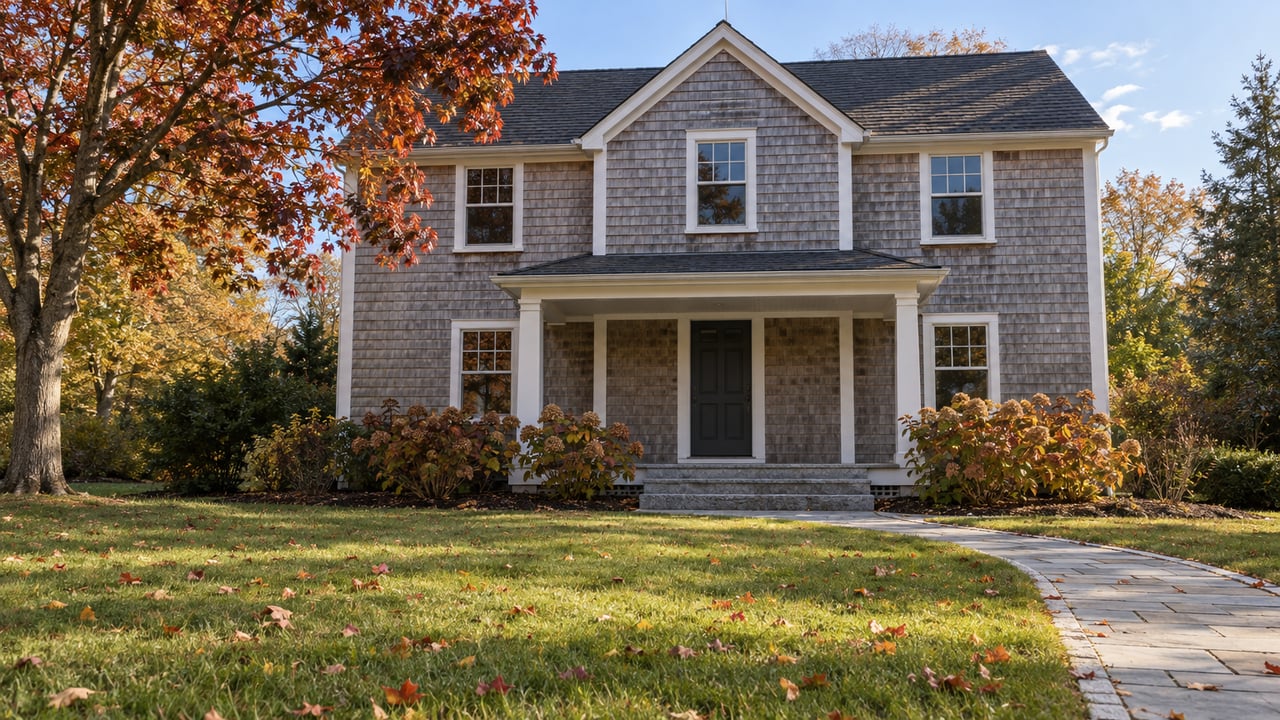
North Smithfield in particular offers a mix that is hard to reduce to one label. Depending on where you look, you may find historic village homes, houses along rural roads, or later suburban-style properties with more land.
That variety is part of the appeal, but it is also why local guidance matters. Two homes with a similar price can offer very different tradeoffs in lot size, style, condition, and commute setup.
If you are exploring a move to northern Rhode Island and want a clear, strategic view of the market, Kira Greene can help you evaluate commute-friendly options, compare housing types, and move confidently in a competitive environment.
Stay up to date on the latest real estate trends.
Ask Kira and she will happily tell you why Providence is an amazing place to call home, with the culture and diversity of a large city and the charm of a small-town community.
Please get in touch to receive market information, listings, or to meet in person!
(401) 339-5621
[email protected]
ADDRESS
369 S Main St
Providence, RI 02903