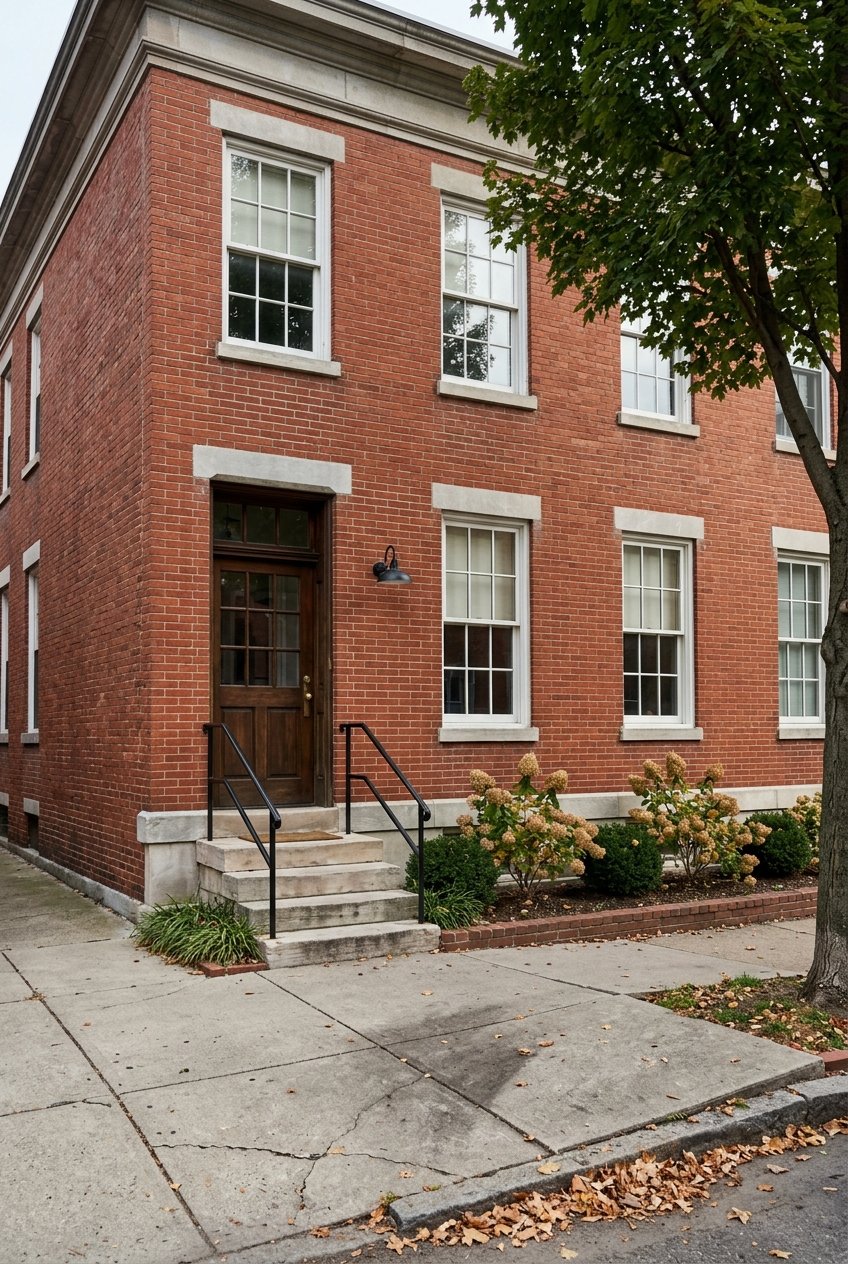
Your East Side Providence Relocation Guide
July 2, 2026
July 2, 2026
Relocating to Providence’s East Side can feel exciting and a little overwhelming at the same time. In just a few miles, you can move from a historic hillside streetscape to a village-like residential area, or from a waterfront neighborhood to a more suburban coastal town across the river. If you want to narrow your options with more confidence, this guide will help you compare the East Side and nearby towns through the lens that matters most when you are moving: daily lifestyle, housing style, commute patterns, and practical home-search details. Let’s dive in.
Providence’s East Side is a compact group of neighborhoods east of downtown, anchored by Brown University and RISD. That gives the area a strong sense of place, plus convenient connections to the rest of the city by bus, bridge, and rail.
For regional travel, Providence Station offers Amtrak and MBTA commuter rail access. Within the city, the reopening of the East Side Tunnel to bus service in October 2024 restored direct downtown to East Side routing, which is especially useful if you want a more connected in-town commute.
The East Side is not one single lifestyle. College Hill, Wayland, and Fox Point each offer a distinct experience, and understanding those differences early can save you time during your search.
College Hill is the East Side’s historic core. City planning materials describe it as primarily residential, with commercial uses along its western edge, and it is known for some of Providence’s most distinguished historic architecture.
You will likely notice period details, older housing stock, and a more established streetscape here. Buyers also often encounter less parking and a stronger need to think about renovation compatibility, especially because exterior changes may be subject to preservation review.
Wayland offers a more traditional residential feel within the East Side. Preservation records describe the Wayland Historic District as almost exclusively residential, with most contributing buildings dating from 1875 to 1930.
At the neighborhood edge, Wayland Square adds a walkable mix of shops and cafés, along with on-street metered parking. You also have access to Blackstone Boulevard and the Blackstone Park Conservation District, which can shape the day-to-day feel of the area.
Fox Point offers the most urban and waterfront-oriented mix on the East Side. It sits where the Providence and Seekonk rivers meet Narragansett Bay, and it combines older housing, neighborhood parks, Wickenden Street businesses, and access to India Point Park.
The area also benefits from strong connections. A linear park links the East Bay Bike Path to Providence, and the Providence River pedestrian bridge adds another route to downtown and the Innovation District side of the river.
If you are relocating, your search may quickly expand beyond Providence city limits. Two nearby options that often come up alongside the East Side are East Providence and Barrington.
East Providence is often the closest across-the-river alternative for East Side buyers. Its 2025 comprehensive plan notes a pickup in new housing in the early 2020s, especially at Kettle Point in the Waterfront District.
The city includes one-family, two-family, three-family, and multi-family housing options, which can create more variety than you may find in Providence’s historic core. The Waterfront District is also planned as a mixed-use area, so some parts of East Providence can feel newer and more flexible in land use.
Barrington is the more suburban and coastal alternative in this comparison. Official planning materials show that its housing stock remains heavily detached single-family, with 90.9% detached single-family units and 5.4% multi-family units.
That matters if you are looking for a town where detached homes make up most of the housing landscape. Transportation materials also point to park-and-ride commuting, with RIPTA Route 60 and Route 61x serving the East Bay corridor.
A useful way to narrow your search is to match your daily priorities to each area’s overall pattern. The goal is not to find the “best” neighborhood. It is to find the place that best fits how you want to live.
| Area | General feel | Housing pattern | Key practical note |
|---|---|---|---|
| College Hill | Historic and central | Older homes with strong architectural character | Exterior work may involve preservation review |
| Wayland | Residential and village-like | Mostly residential historic housing | Walkable edge near Wayland Square |
| Fox Point | Urban and waterfront-oriented | Mixed older housing and mixed-use surroundings | Verify exact historic district status by property |
| East Providence | Varied and flexible | One-family to multi-family, plus newer housing areas | Test bridge corridor commute times |
| Barrington | Suburban and coastal | Mostly detached single-family homes | Park-and-ride and East Bay corridor travel matter |
A good relocation tour should go beyond home interiors. In this part of Rhode Island, a few practical details can shape your experience more than buyers first expect.
If you are considering College Hill or Wayland, preservation oversight should be one of your first filters. Providence’s Historic District Commission reviews exterior work in local historic districts and requires a Certificate of Appropriateness before permits are issued.
That does not mean you should avoid these neighborhoods. It simply means you should understand the review process before you fall in love with a property and start planning changes.
Commute maps only tell part of the story. It is worth driving or riding the exact route at the time of day you would actually use it.
That is especially important here because the reopened East Side Tunnel improved direct downtown bus routing, while RIDOT advisories still affect the Providence to East Providence bridge corridor. The same address can feel very different at 7:30 a.m. than it does later in the day.
If you are touring waterfront-adjacent homes, ask direct questions about flood exposure and resilience work. A water view and a waterfront setting are not the same thing as low-risk ownership.
Providence has invested in repairs to the Fox Point Hurricane Barrier. East Providence’s Waterfront District planning also emphasizes environmental improvements and public access, while Barrington’s climate materials focus on flooding and coastal resilience.
If you want a quick starting point, here is a practical way to think about the choices. College Hill tends to suit buyers drawn to the most historic setting. Wayland often appeals to those looking for a quieter residential East Side feel.
Fox Point may be the right fit if you want the most urban and waterfront mix. East Providence can offer more housing variety and newer construction patterns, while Barrington often fits buyers looking for a more detached-home, suburban coastal search.
When you relocate, the biggest challenge is usually not finding listings. It is understanding how two homes that look similar online can lead to very different daily experiences once you factor in preservation rules, commuting patterns, and neighborhood layout.
That is where focused local insight matters. With deep East Side expertise and hands-on relocation support, Kira Greene can help you compare Providence’s East Side and nearby towns with clarity, so you can move forward with a plan that fits your life.
Stay up to date on the latest real estate trends.

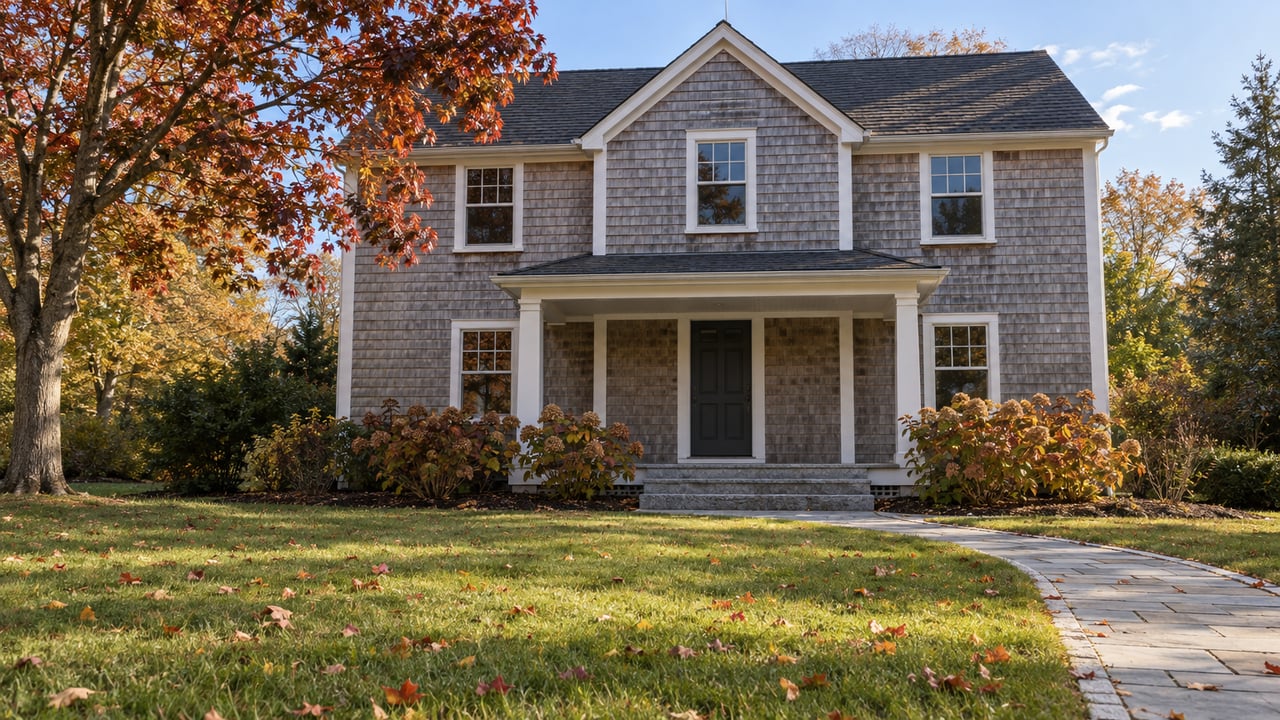

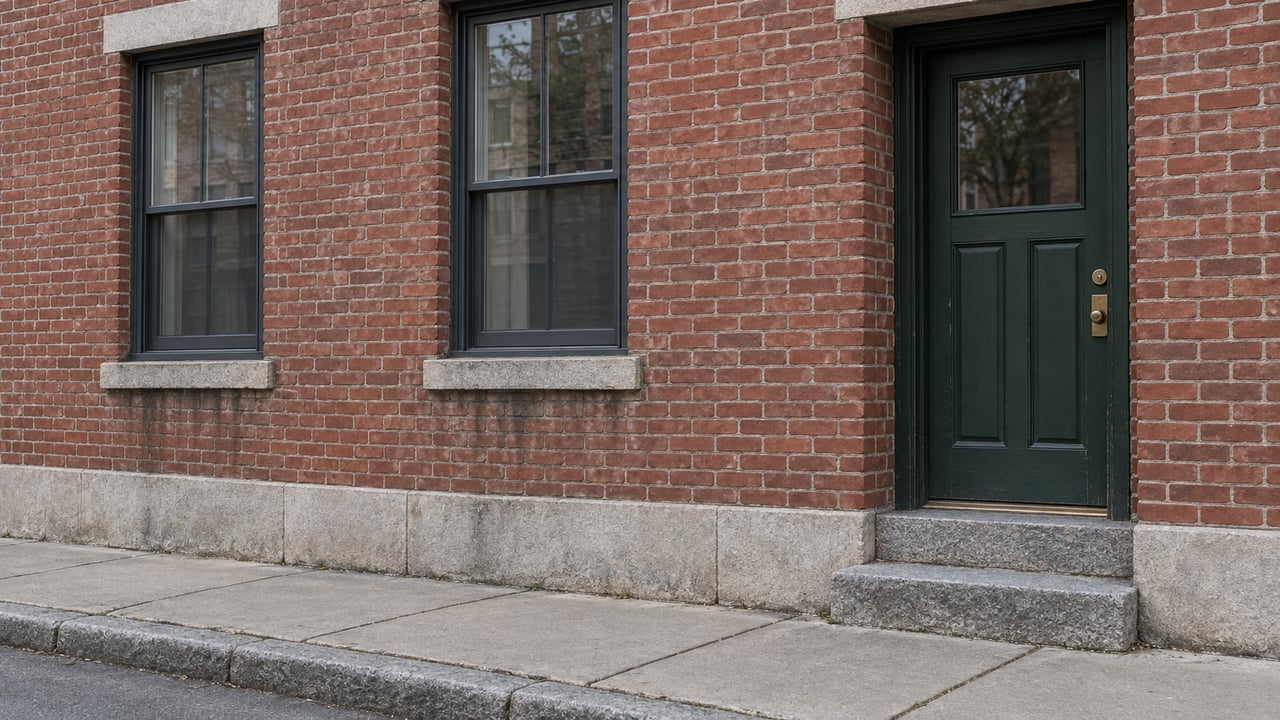

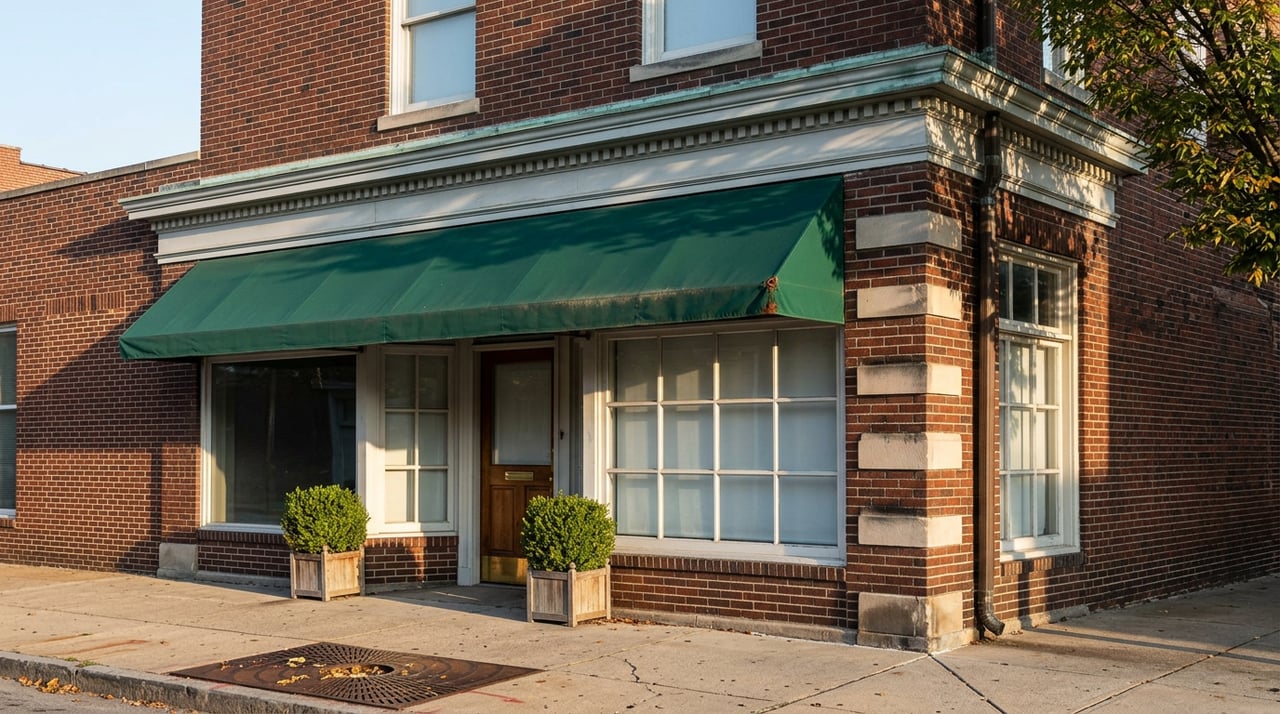
Ask Kira and she will happily tell you why Providence is an amazing place to call home, with the culture and diversity of a large city and the charm of a small-town community.
Please get in touch to receive market information, listings, or to meet in person!
(401) 339-5621
[email protected]
ADDRESS
369 S Main St
Providence, RI 02903