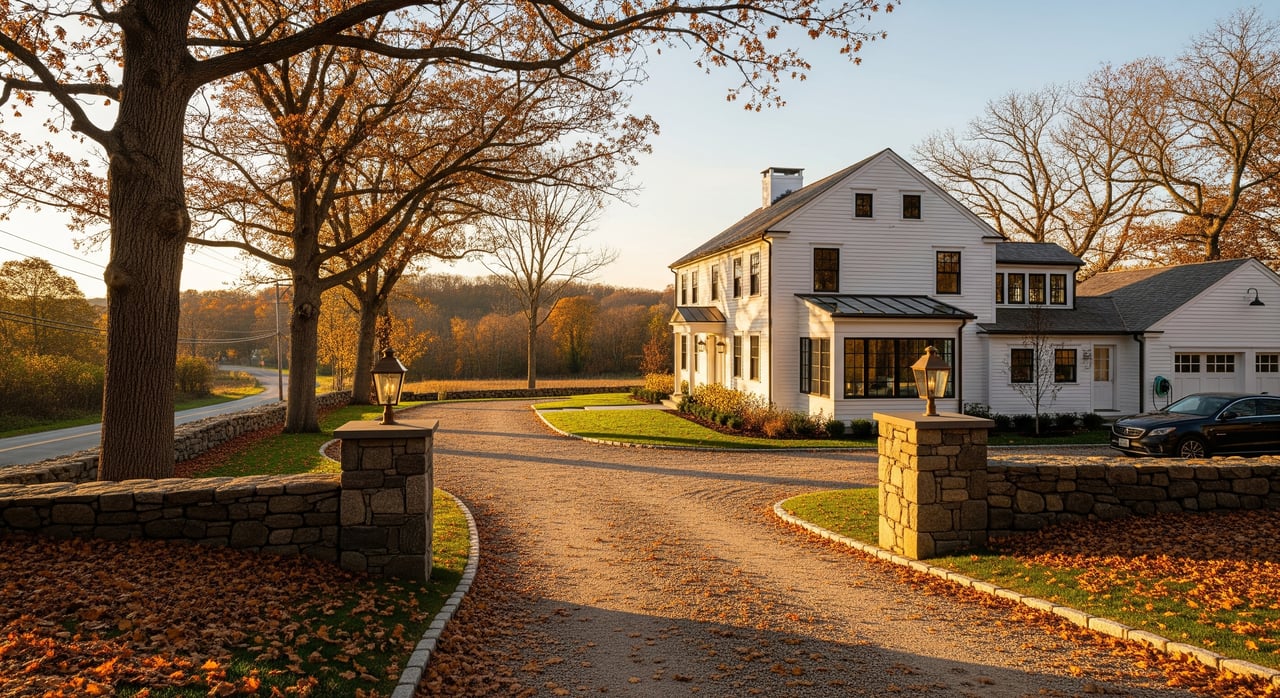
Planning Your Boston Commute from Northern Rhode Island
January 1, 2026
January 1, 2026
Thinking about living in Northern Rhode Island for more space while keeping your commute to Boston or Providence manageable? You are not alone. Many professionals look north for larger homes, quieter streets, and strong access to key travel corridors. In this guide, you will learn how to plan a reliable commute, which routes and rail options to consider, and what home features make daily travel easier. Let’s dive in.
You have several viable ways to reach both cities. Route 146, I‑295, and I‑95 connect Northern Rhode Island to Providence and Greater Boston. If you prefer rail, you can park at Providence Station or T.F. Green and ride the MBTA Providence/Stoughton Line to Boston, or use Amtrak’s Northeast Corridor for select trips. Your best mode will depend on your work hours, where your office sits within each city, and how you feel about driving versus rail.
For most residents in Lincoln, Cumberland, Smithfield, and North Smithfield, Route 146 south is the straightforward path into Providence. Depending on your starting point, you may also use local arterials to connect with I‑95 or I‑295. Traffic patterns tend to be simpler than Boston’s approaches, and parking in Providence is typically more accessible. Before you decide, review current conditions and any projects on the Rhode Island Department of Transportation site and test a peak‑hour drive.
Driving to Boston often involves a combination of Route 146 or I‑95 north, then I‑93, I‑90, or I‑495 depending on your final destination. Congestion and incidents can add variability, so you may want a backup plan. Many Northern RI professionals choose a hybrid approach, driving to a rail station, then riding into the city to avoid the last stretch of Boston traffic and parking costs.
If you prefer rail, the MBTA Providence/Stoughton Line connects Providence and T.F. Green to Boston’s South Station. Trains offer a more predictable schedule during peak hours, plus you can work or make calls on board. For faster intercity runs at select times, consider Amtrak’s Northeast Corridor, which serves Providence with multiple daily trains to Boston.
A common pattern from Lincoln, Cumberland, Smithfield, and North Smithfield is to park at Providence Station or T.F. Green, then take the train. Check current schedules and passes on the MBTA site, and compare trip times with Amtrak if you need off‑peak or faster options. If you plan to integrate bus connections in Providence or to a rail hub, review route maps and frequencies on the RIPTA site. For real‑time travel advisories and highway updates, use RIDOT’s resources before you head out.
Lincoln offers a mix of established neighborhoods and convenient access to Route 146. You will find a blend of older single‑family homes and some multi‑unit options on smaller lots. It is a practical choice if you expect frequent trips to Providence and want a simpler drive.
Cumberland balances direct access toward Providence and northern Massachusetts via I‑295 and I‑95. Housing ranges from mill‑era homes and mid‑century ranches to newer subdivisions. It is well suited if you want versatile routes for both Providence and rail‑to‑Boston commutes.
Smithfield features historic village streets and newer subdivisions with larger lots. Many commuters drive to Providence or opt to park at Providence Station or T.F. Green for Boston trips. You may prefer Smithfield if you prioritize space and plan to mix occasional Boston travel with more frequent Providence access.
North Smithfield has a lower‑density, more rural feel with larger lots and a healthy supply of single‑family homes, including newer builds. It is a strong fit if you value privacy and space, and you do not need to be in downtown Boston every day. Driving to Providence or a rail park‑and‑ride is a common routine here, especially for hybrid or flexible schedules.
Build a realistic picture of your door‑to‑door trip. Test a morning and evening commute on a weekday before you buy, and compare driving with the rail schedules that match your hours. Budget for fuel, parking, tolls on your chosen approach, and rail fares or monthly passes. If your employer offers pre‑tax transit benefits, factor those in too.
For a broader view of regional commute patterns, you can explore journey‑to‑work data from the U.S. Census Bureau. Pair that context with your own test runs so you can judge reliability for your specific route and hours.
Start with your work pattern. If you travel to Providence most days with occasional Boston visits, prioritize quick access to Route 146 and a short drive to Providence Station. If you need frequent Boston trips, focus on a comfortable drive to station parking and schedules that align with your office hours.
Next, think about lifestyle trade‑offs. More space and newer homes usually mean a longer Boston commute. Rail reduces highway stress yet adds a first or last‑mile drive. If you have flexibility for start and finish times, you can often sidestep peak congestion and broaden your housing options.
If you are weighing Lincoln, Cumberland, Smithfield, or North Smithfield, a thoughtful search can secure the space you want without sacrificing a workable commute. Identify your must‑have routes, map realistic drive times, and target neighborhoods that cut local bottlenecks. When you are ready to tour, you deserve a guide who knows the corridors, the housing, and the trade‑offs.
If you want a curated shortlist and an efficient path to the right home, connect with Kira Greene. Request a Complimentary Market Consultation and get a commuter‑smart plan tailored to your goals.
Stay up to date on the latest real estate trends.
Ask Kira and she will happily tell you why Providence is an amazing place to call home, with the culture and diversity of a large city and the charm of a small-town community.
Please get in touch to receive market information, listings, or to meet in person!
(401) 339-5621
[email protected]
ADDRESS
369 S Main St
Providence, RI 02903