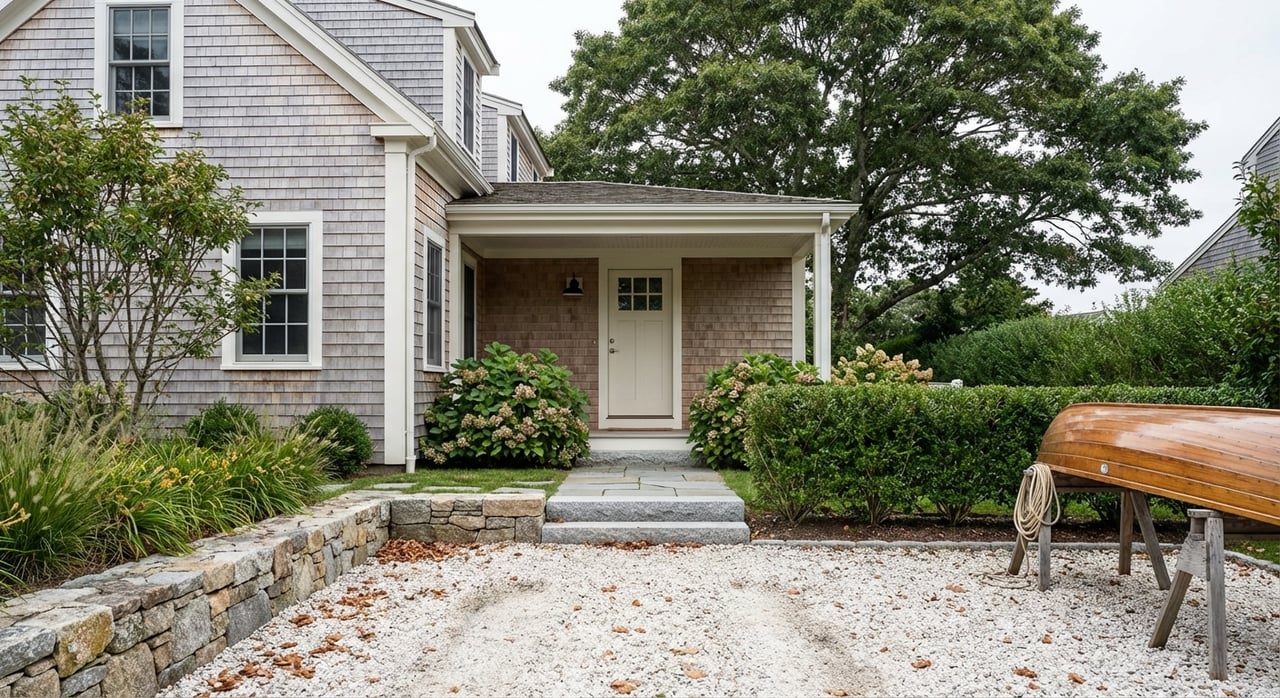
Jamestown RI Second Homes for Buyers Seeking Quiet Coastal Luxury
February 19, 2026
February 19, 2026
Looking for a quieter coastal retreat than Newport without giving up world-class water access and dining nearby? If you want privacy, views, and a relaxed island pace, Jamestown on Conanicut Island may be your perfect second-home base. In this guide, you’ll learn what makes Jamestown feel like quiet luxury, the kinds of homes you’ll find, how boating and marinas work, travel times, and a smart due-diligence checklist. Let’s dive in.
Jamestown reads as understated and low-key, with town planning that prioritizes a rural, residential character. The town’s official planning resources reflect this focus on preserving open space and community scale. You get the quiet feel many second-home buyers want, plus quick access to Newport’s energy. Town planning resources can help you understand local goals and land patterns.
Jamestown’s year-round population is small, at 5,559 in the 2020 Census, with a notable share of residents 65 and older. That demographic mix contributes to a steady, relaxed pace outside peak summer. You can enjoy evenings on the deck or a calm morning walk along the water without downtown crowds. See the latest town snapshot in U.S. Census QuickFacts.
Jamestown is also highly connected. It is typically about 10 to 15 minutes by car from central Jamestown to central Newport via the Pell Bridge, depending on traffic. Drives to Narragansett often come in under 20 minutes. For context, check a sample Jamestown to Newport driving-time estimate.
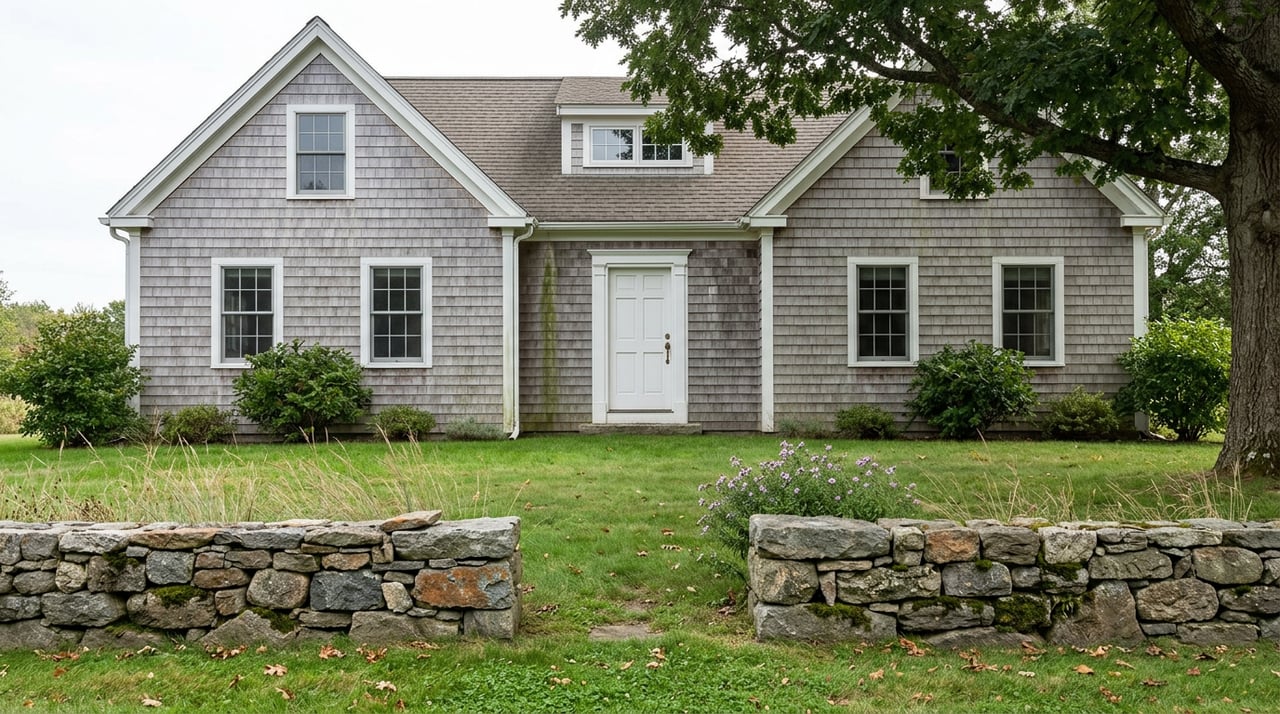
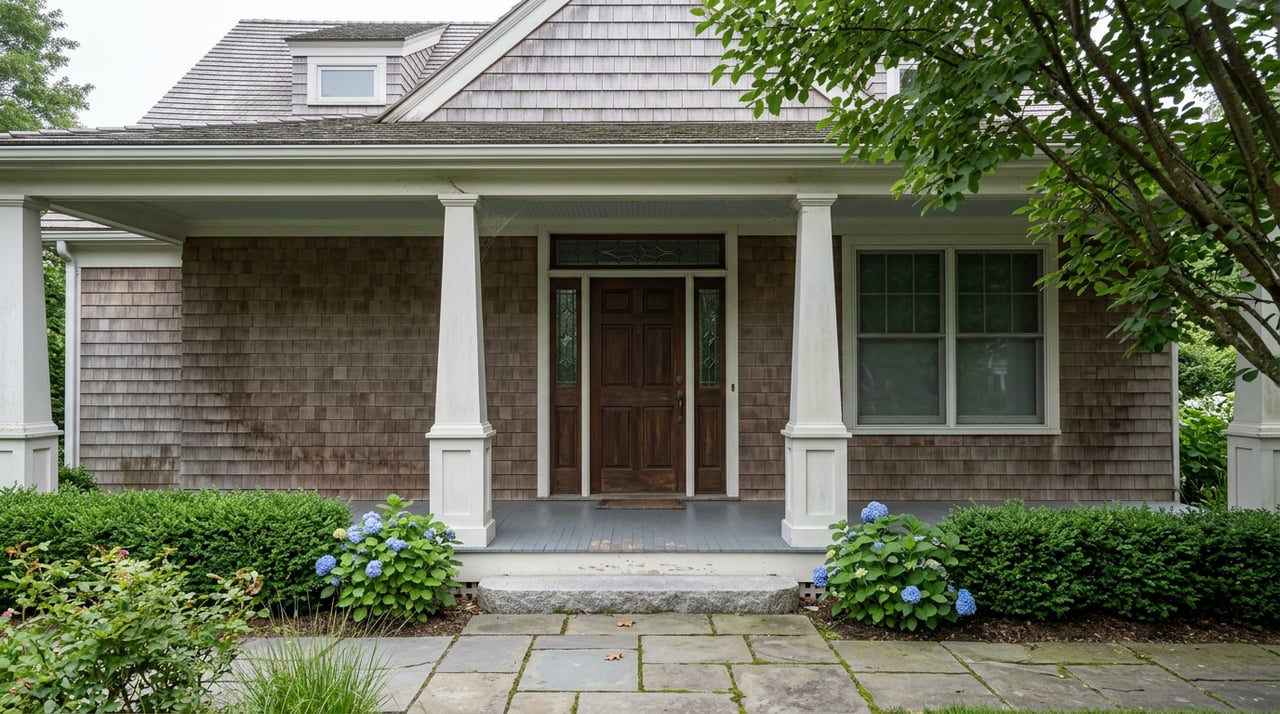
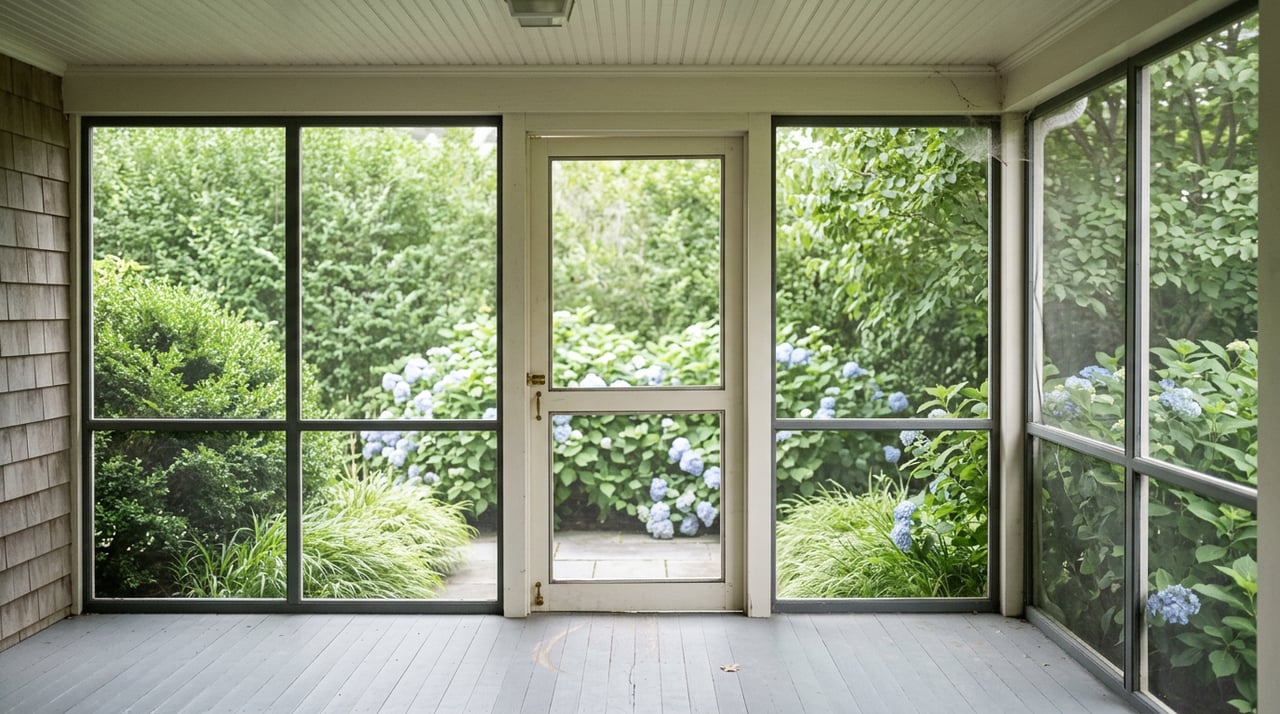
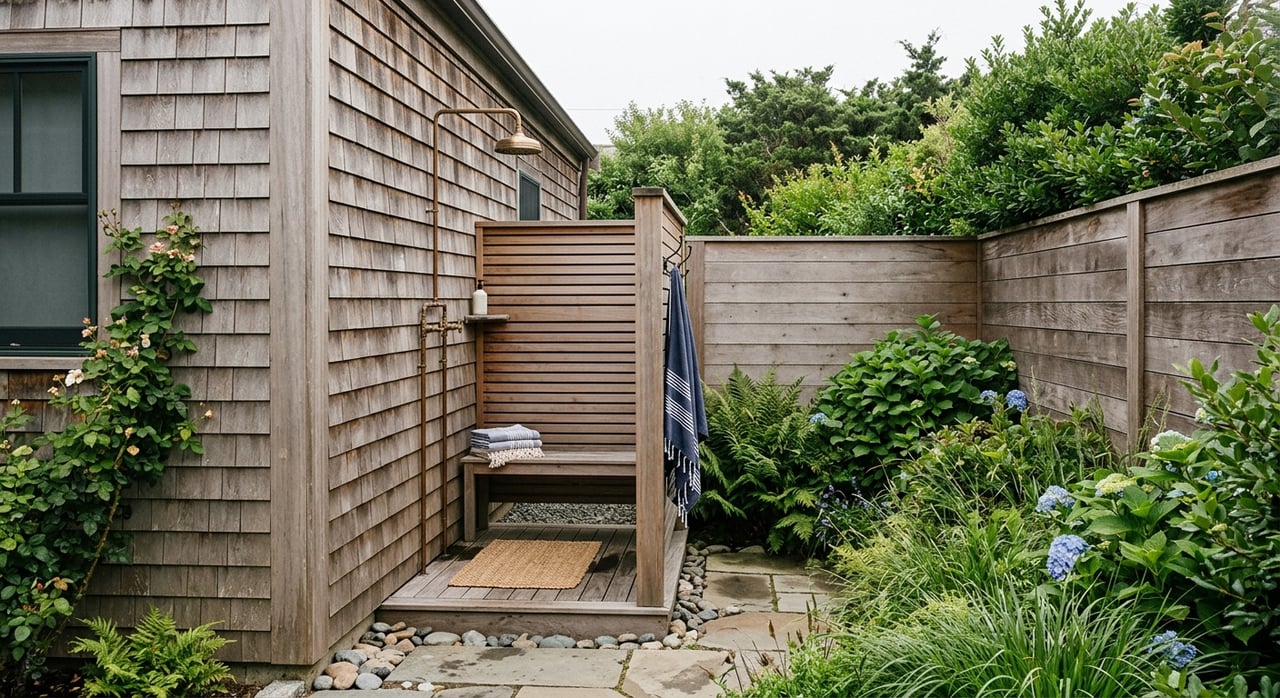
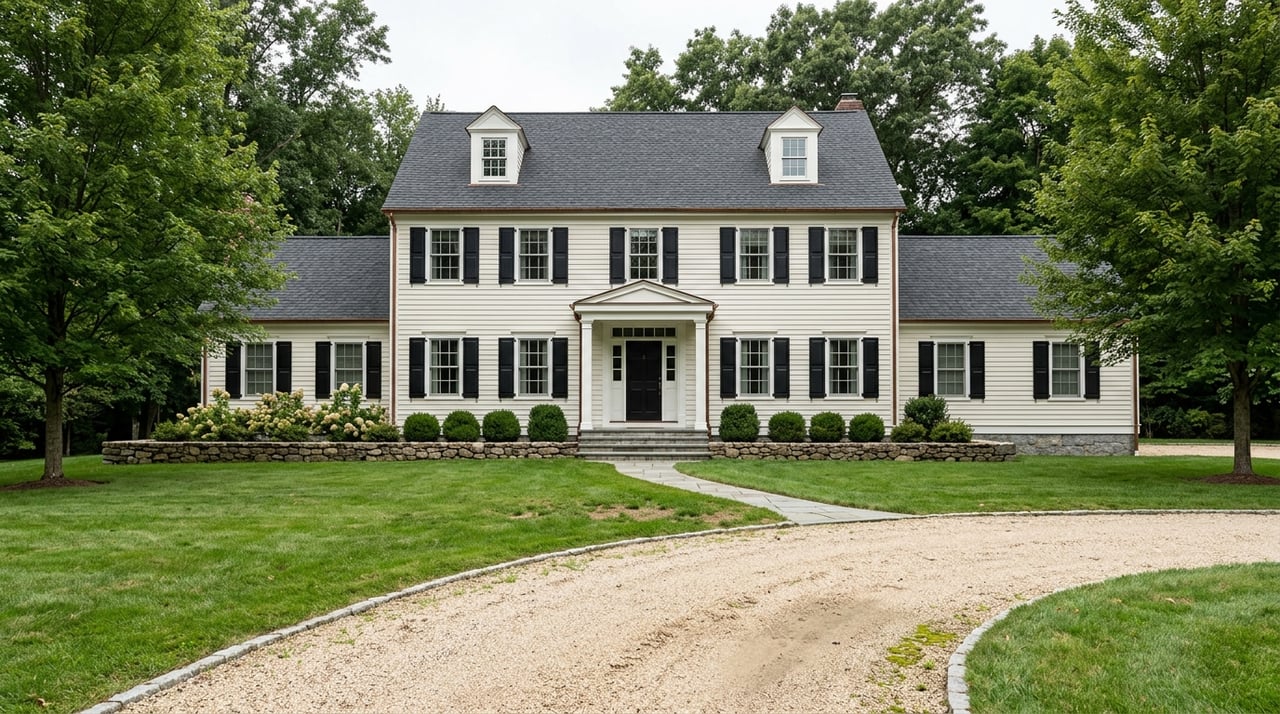
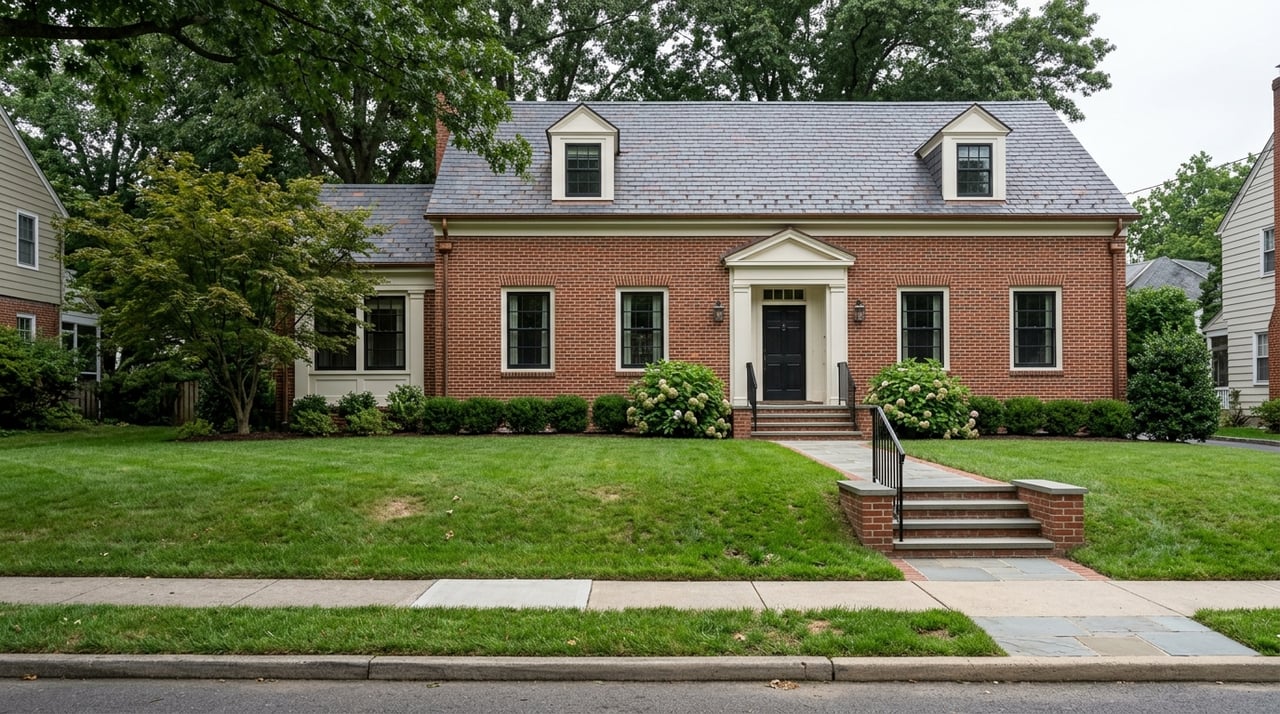
Expect a market dominated by single-family waterview and waterfront homes. You will see classic shingle-style cottages, contemporary waterfront estates, and elevated bluff homes with long-bay views. Inland, quiet roads often back conserved acreage or pastoral settings that enhance privacy.
Large preserved tracts add to the island’s calm. A standout example is Historic New England’s Watson Farm, a 265-acre working farm open to the public. That kind of conservation buffers neighborhoods, protects view corridors, and helps maintain a peaceful, less dense setting.
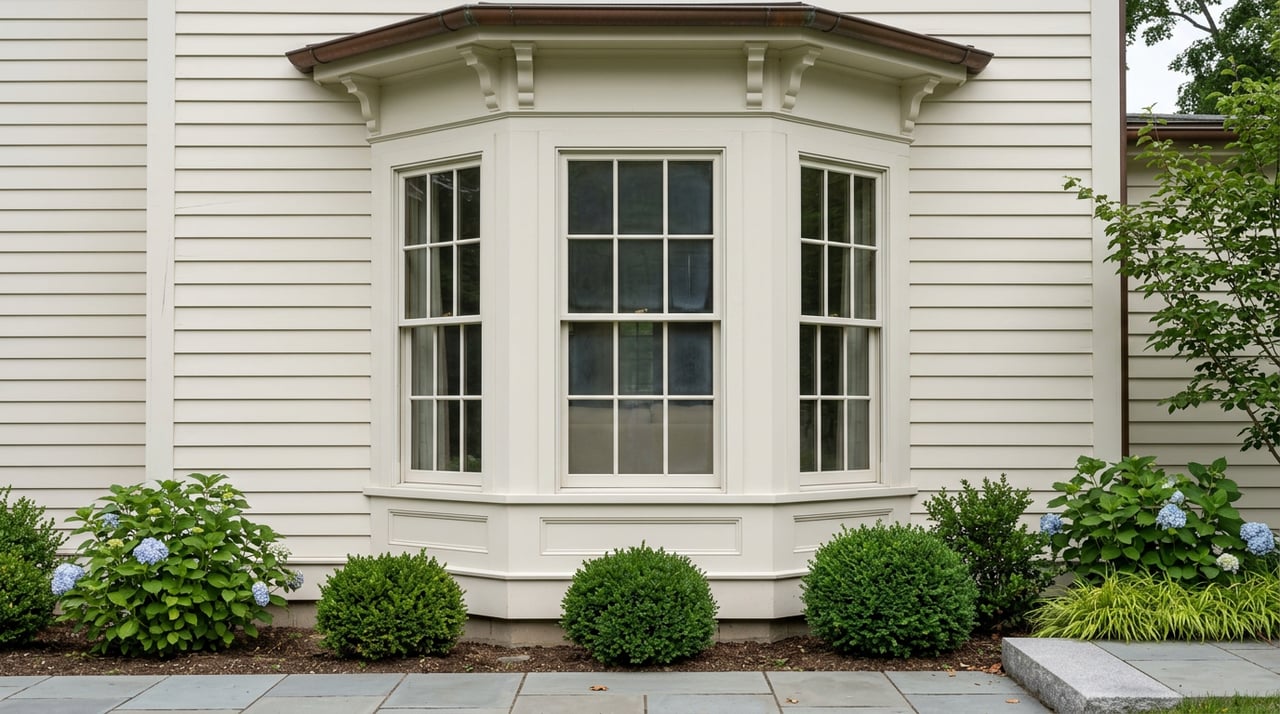
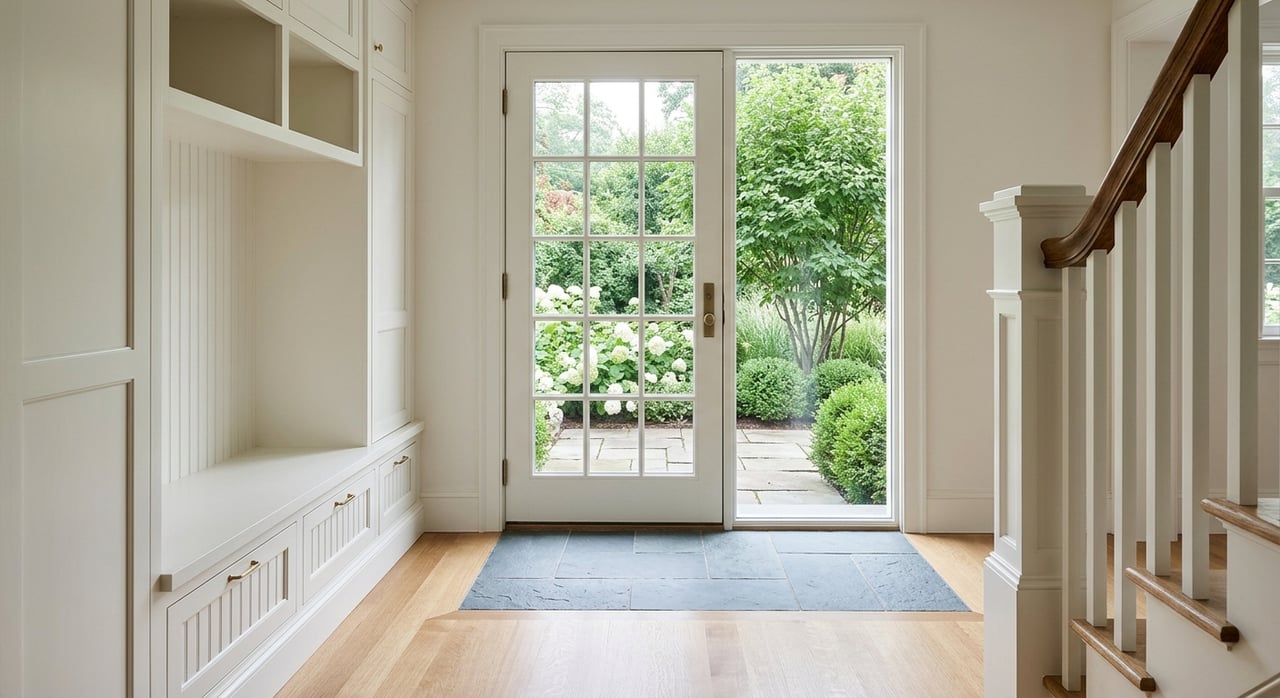
If you prefer lower maintenance, know that Jamestown skews toward detached homes rather than dense condo developments. That said, you can still find newer builds with efficient systems, coastal-ready materials, and floor plans that frame water views.
Jamestown sits at the high end of Newport County’s coastal market. Recent aggregator snapshots show median listing prices in the roughly 1.7 to 1.9 million range for ZIP 02835 and average home values above 1.1 million, with small-sample swings year over year. Data providers vary in methodology, so confirm current comps and days on market with a local MLS-driven analysis before you act.
What this means for you: budget for premium pricing on waterfront and view lots, and be ready for tight, property-specific negotiations. Elevated bluff properties and turnkey waterfronts often command a sharp premium.
If you sail or cruise, Jamestown is a prime home port in Narragansett Bay. A major cluster of marina and boatyard services is right on the island, including Conanicut Marina and Taylor Point Boat Yard, which were reported together as a full-service asset with significant dockage and moorage. Get a feel for capacity and ownership context in this industry overview of Conanicut Marina and Taylor Point Boat Yard.
Beyond slips, local yards support haul-out, winter storage, and service. If racing is your thing, the Jamestown Yacht Club runs an active calendar that taps into Narragansett Bay’s year-round sailing culture. Practical tip: inquire early about seasonal slip and mooring availability. Popular fields often reach capacity in high season.
Jamestown connects to Newport and the mainland via the Pell Bridge and the Jamestown-Verrazzano Bridge. Those short drives mean you can enjoy a quiet island base while staying minutes from Newport’s dining, shops, and events. In peak summer, Jamestown sees more day visitors and boating traffic, but its residential tone holds.
Seasonality is real across coastal Rhode Island. Regional analyses document notable summer population increases along Narragansett Bay, with parks and waterfronts drawing heavy visitation. For context on coastal season patterns, see this USGS seasonality analysis. Off-season, you can expect calmer restaurants and open space, with some businesses shifting hours.
Use this quick list to de-risk your purchase and plan renovations with confidence:
Each micro-location carries different exposure, utility, and permitting considerations. A tailored search will save you time and help you zero in on the right fit.
Buying a second home on the coast is both emotional and technical. You want the view and the light, but also clean due diligence on flood, utilities, and shoreline rules. With a high-touch, boutique process backed by Compass tools, you get curated options, private and pre-market insights, and introductions to the right local vendors.
If you are weighing Jamestown against nearby coastal towns, or you want a pricing and renovation plan before you bid, let’s talk. Request a complimentary consultation with Kira Greene to map your search, review comps, and build a confident plan.
Stay up to date on the latest real estate trends.
Ask Kira and she will happily tell you why Providence is an amazing place to call home, with the culture and diversity of a large city and the charm of a small-town community.
Please get in touch to receive market information, listings, or to meet in person!
(401) 339-5621
[email protected]
ADDRESS
369 S Main St
Providence, RI 02903