First-Time Home Buyer Guide for Providence
December 18, 2025
December 18, 2025
Buying your first home in Providence can feel exciting and a little overwhelming. You are navigating older housing, fast-moving offers, and Rhode Island’s attorney-led closings, often all at once. This guide breaks down the process into clear steps, local norms, realistic timelines, and East Side insights so you can move with confidence. You will walk away with a plan you can follow from pre-approval to keys in hand. Let’s dive in.
A written mortgage pre-approval is your ticket to tour with purpose and write a strong offer. Gather recent pay stubs, W‑2s, tax returns, and bank statements so a lender can verify income and assets. Well-prepared buyers can receive a pre-approval in as little as a day, while others may need up to a week. Sellers and listing agents expect to see this letter with competitive offers.
Clarify your must-haves, budget range, and commute or lifestyle needs. On the East Side, you will see a range of historic and updated homes across close-knit neighborhoods.
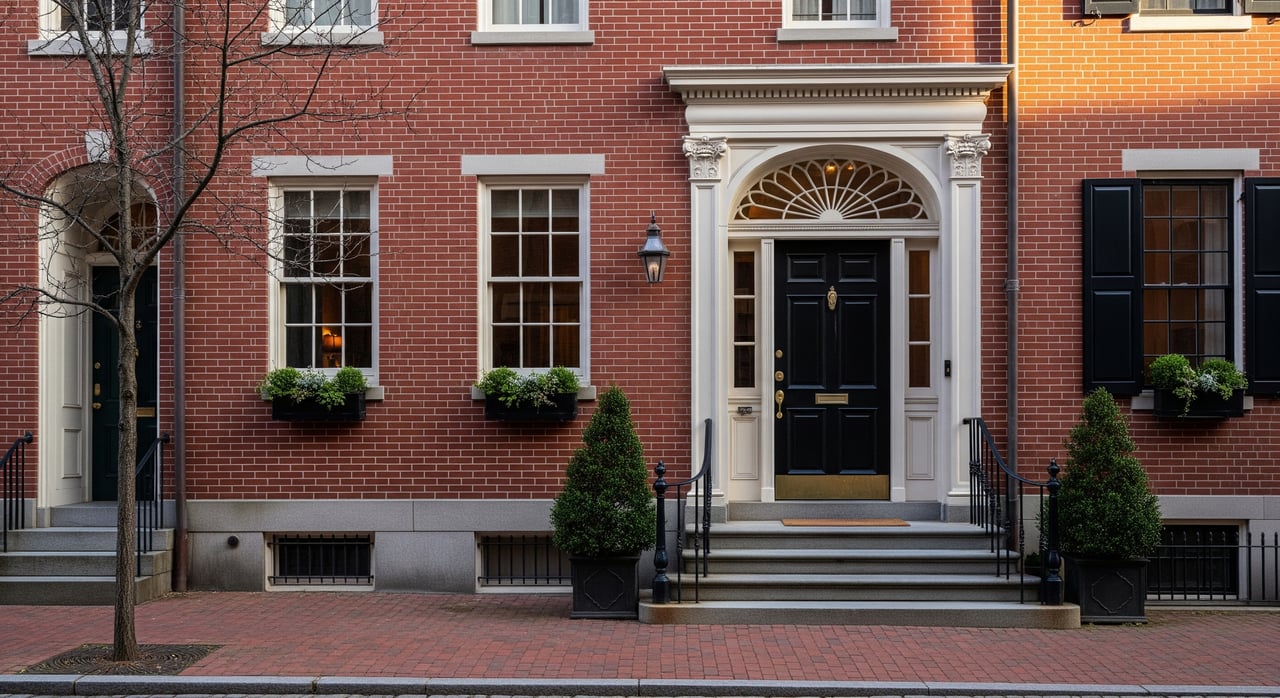
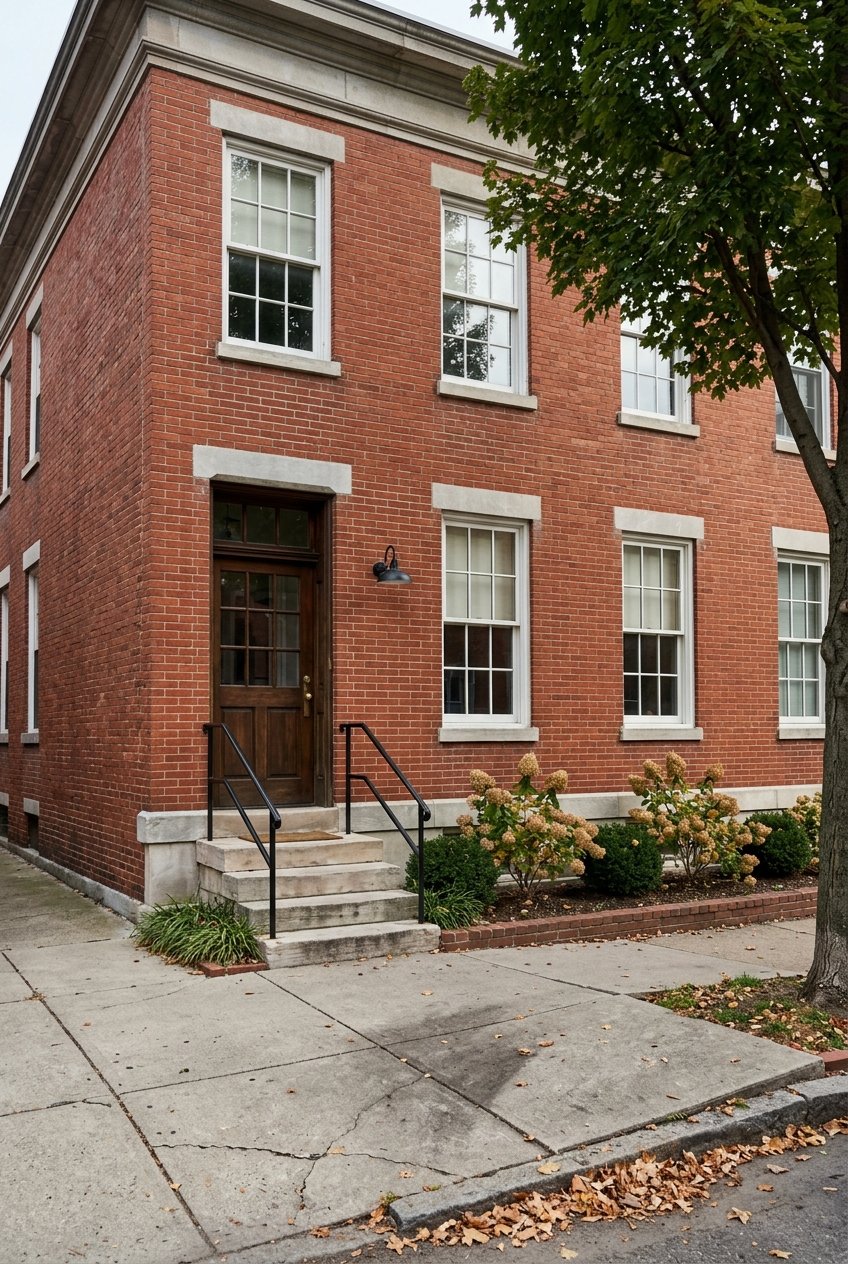
You will find notable historic architecture near Benefit Street and the universities. Inventory can be limited and many properties are older, which often means original windows, older systems, and preservation considerations. Expect more oversight on exterior changes due to historic district rules, and plan for parking constraints on narrow streets.
Residential streets and nearby retail corridors make this area convenient for daily errands. Most homes are on municipal water and sewer. Some properties are older and may need mechanical updates, so review heating systems and yard drainage closely during inspections.
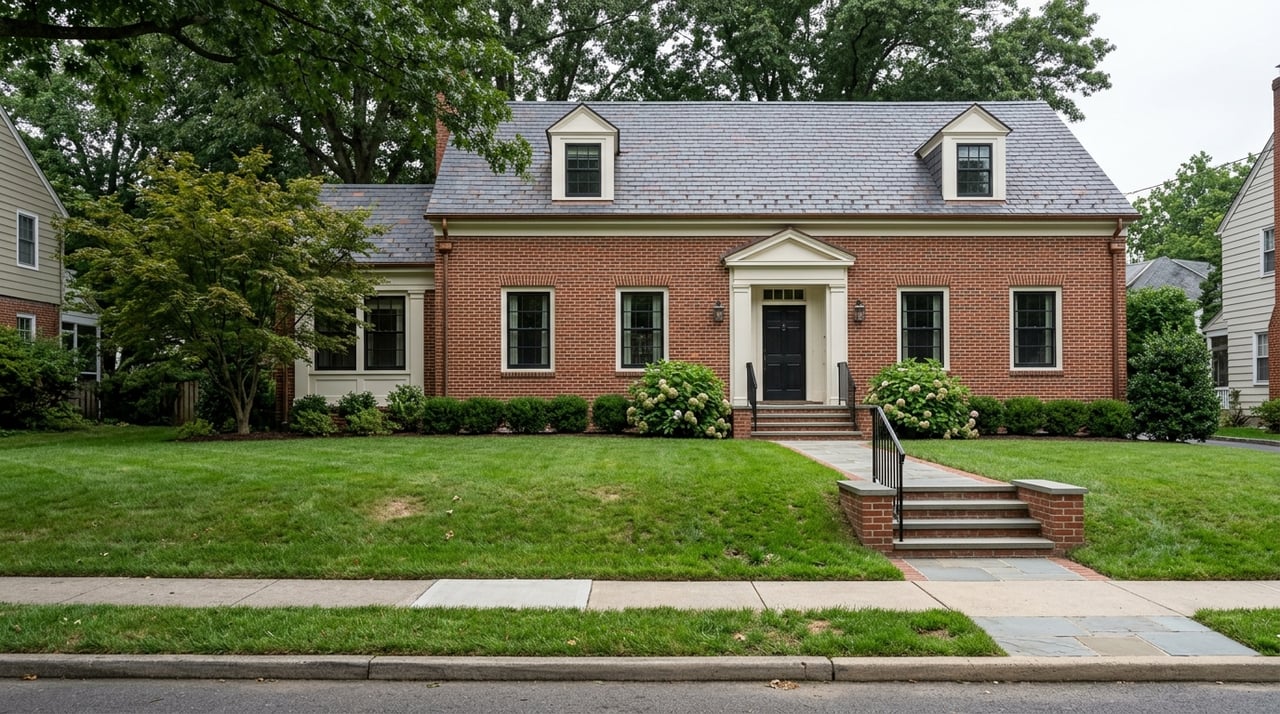
Close to Blackstone Boulevard Park, this neighborhood offers single-family homes plus two- and three-family options. If you consider multi-family living, confirm local occupancy and registration requirements. Pay attention to shared systems like electrical panels and chimneys in multi-family buildings.
As you tour, identify deal-breakers early. In Providence, oil heat is common in older homes, including aboveground or in-ground tanks. Ask for documentation on any removal or abandonment, and be mindful of potential environmental liability if a problem is found. If you plan exterior changes in a historic district, confirm what is allowed before you write an offer.
Parking can be tight in dense streets, and some locations may have permit rules. In low-lying areas near rivers or coastal edges, review floodplain status and the potential need for flood insurance. Request utility histories if available to understand heating fuel usage and water or sewer costs.
Your offer should clearly state price, timing, and contingencies. Include:
Multiple offers are common in desirable Providence neighborhoods. Some buyers strengthen terms with a larger deposit or shorter inspection window. These choices carry risk, so balance competitiveness with protection.
Inspection windows in Providence commonly run 7 to 14 days, and sellers may prefer the shorter end in a hot market. Schedule your general home inspection quickly, then line up specialty inspections right away so you stay within your contingency period.
Recommended inspections for older Providence homes include:
Common issues include aging roofs, older plumbing such as galvanized supply lines, and legacy knob-and-tube wiring in very old homes. Moisture in basements and stone foundation maintenance are frequent topics. After inspections, you can request repairs, a credit, a price adjustment, or you can cancel if your contingency allows.
Once you are under contract, your lender orders an appraisal and begins underwriting. Conventional loans typically need 30 to 45 days from contract to close, depending on the lender and program. If the appraisal comes in lower than the purchase price, you can renegotiate, bring cash to bridge the gap, or exit if your contract permits.
Rhode Island customarily uses attorneys to handle real estate closings. The closing attorney performs the title search, prepares the deed and settlement statements, coordinates with the lender, and records the deed. Title work often takes 1 to 3 weeks and runs in parallel with your loan process.
Plan a final walkthrough within 24 to 48 hours before closing. On closing day, you will sign documents, funds are transferred, the deed is recorded, and keys are released according to your agreement.
First-time buyers in Providence often use conventional, FHA, or VA financing. When your down payment is below 20 percent on a conventional loan, you will typically carry private mortgage insurance. Statewide programs through Rhode Island Housing may offer down payment or closing cost assistance and first-time buyer loan products. Program details change, so confirm current offerings and eligibility with a participating lender.
On buyer-paid costs, budget roughly 2 to 5 percent of the purchase price for lender fees, appraisal, attorney and title services, title insurance, recording fees, and prepaid taxes and insurance. Earnest money is typically held in escrow and applied to your costs at closing, or returned based on contingency outcomes.
If a property is in a Special Flood Hazard Area, your lender may require flood insurance. Even outside required zones, consider coverage if the home is in a low-lying area.
Providence has many two- and three-family homes, especially near the East Side. If you plan to live in one unit and rent others, confirm zoning, any rental registration, and certificate of occupancy requirements. Review inspection records and the condition of shared systems before you commit.
Buying your first home in Providence is a smart move when you have the right plan. With a clear pre-approval, a competitive yet protected offer, and focused due diligence, you can navigate older housing stock, attorney closings, and tight timelines with confidence. If you are weighing College Hill charm, Wayland convenience, or Blackstone greenspace, thoughtful preparation will help you secure the right home at the right terms.
If you are ready to start or want a neighborhood-level strategy, connect with Kira Greene to Request a Complimentary Market Consultation. You will get straightforward guidance tailored to your goals and the East Side market.
Stay up to date on the latest real estate trends.
Ask Kira and she will happily tell you why Providence is an amazing place to call home, with the culture and diversity of a large city and the charm of a small-town community.
Please get in touch to receive market information, listings, or to meet in person!
(401) 339-5621
[email protected]
ADDRESS
369 S Main St
Providence, RI 02903