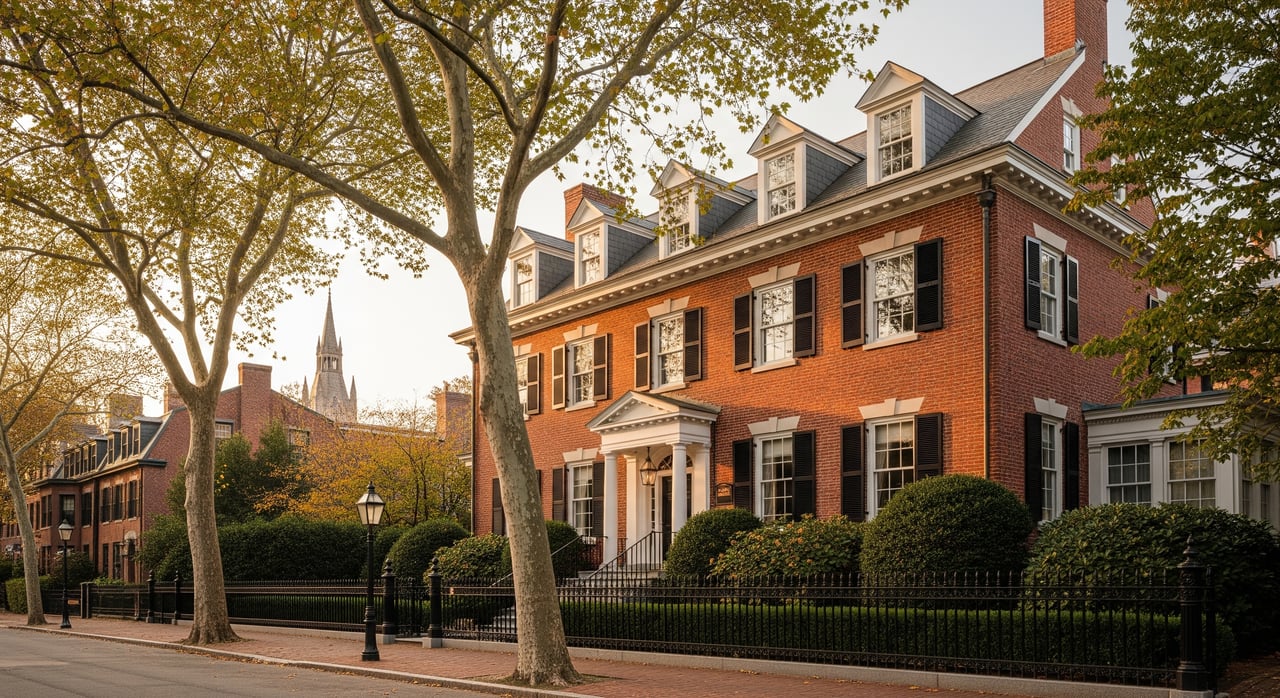
Experience the East Side Providence Lifestyle
February 5, 2026
February 5, 2026
If you are picturing brick sidewalks, leafy streets, and a quick stroll to coffee or a museum, Providence’s East Side delivers. You can feel the history here, but daily life is practical and lively, with parks, bike paths, and neighborhood shops close at hand. In this guide, you will get a clear look at each pocket of the East Side, how people get around, what homes are like, and the key questions to consider before you buy. Let’s dive in.
The East Side sits just east of the Providence River and I‑95. Locals most often include College Hill, Wayland Square, Blackstone Boulevard, and Fox Point when they say “East Side.” It is widely seen as one of Metro Providence’s signature areas because of its historic architecture, walkable commercial strips, university presence, and access to parks and the waterfront.
You will find a mix of longtime residents, university students and staff, professionals, and families. Compared with Providence overall, the East Side tends to have more residents with higher educational attainment and more owner-occupied historic housing and condominiums. The feel can shift block by block, from energetic campus edges to quiet, tree-lined streets.
College Hill is home to Brown University and the Rhode Island School of Design, plus Benefit Street’s well-known “Mile of History.” You will see Federal and Georgian-era homes, the Providence Athenaeum, and a steady pulse of campus life. Thayer Street is the main retail and dining strip, with cafes, bookstores, and student-friendly spots.
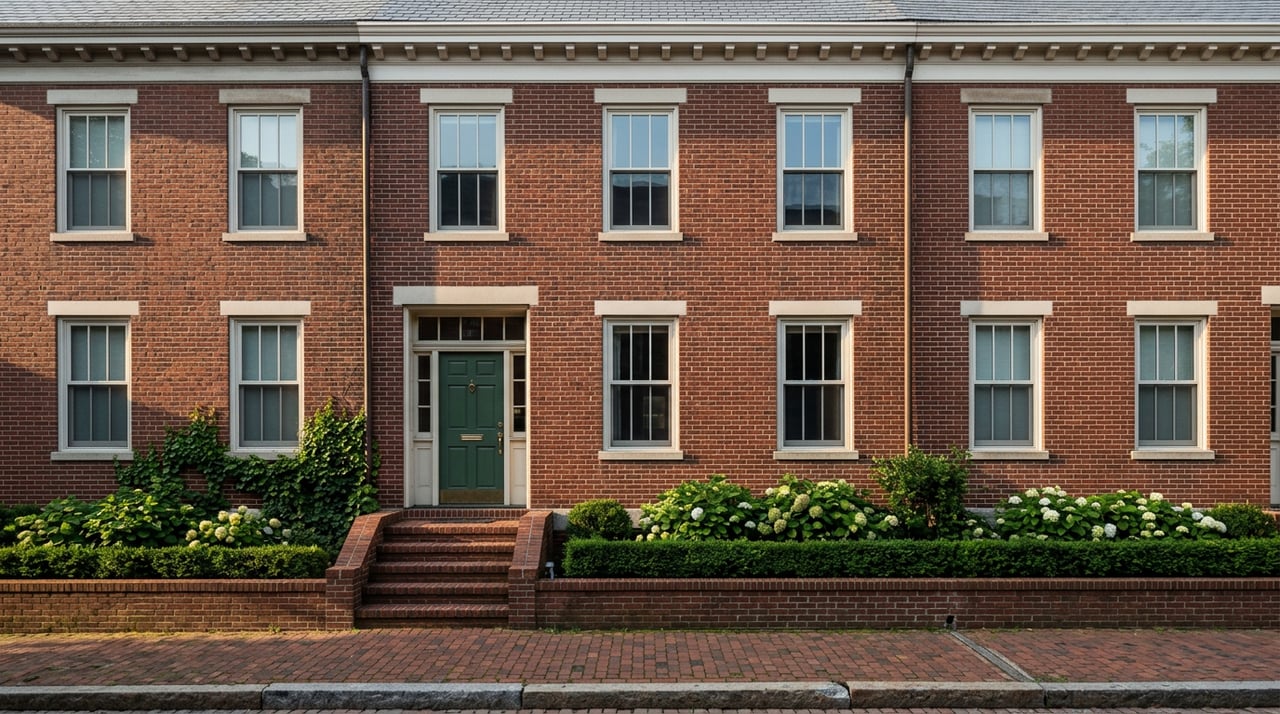
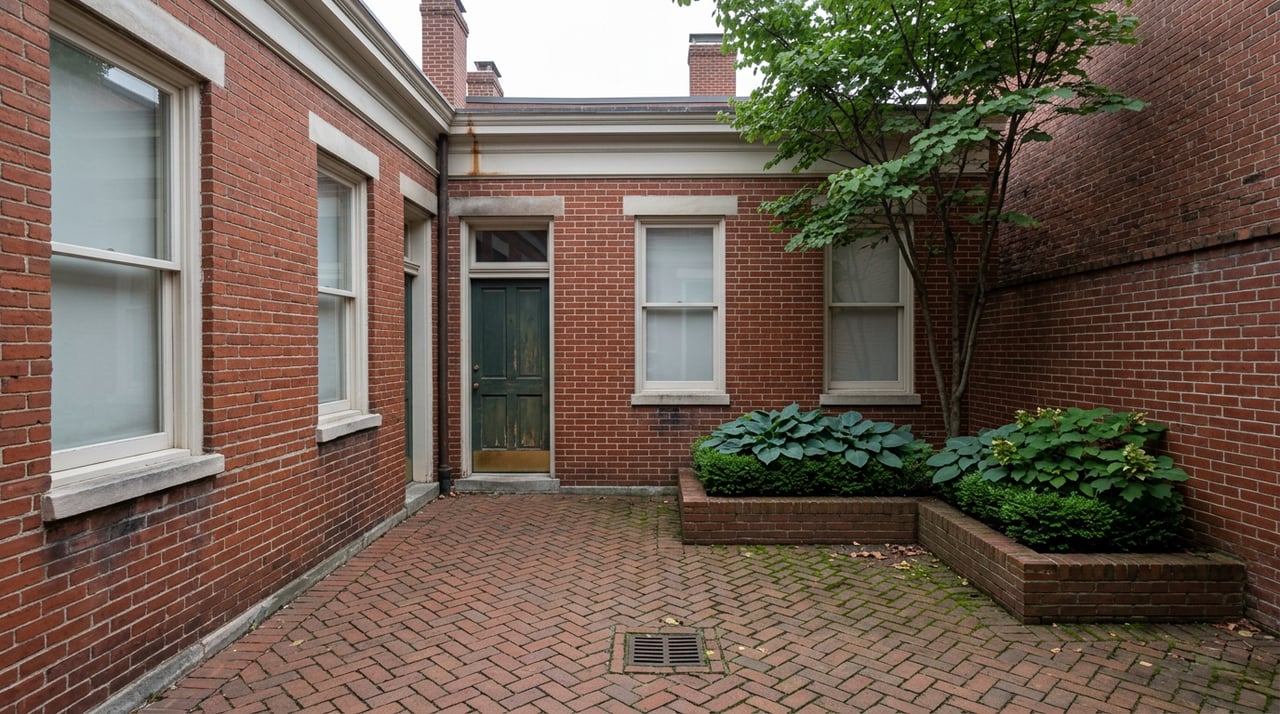
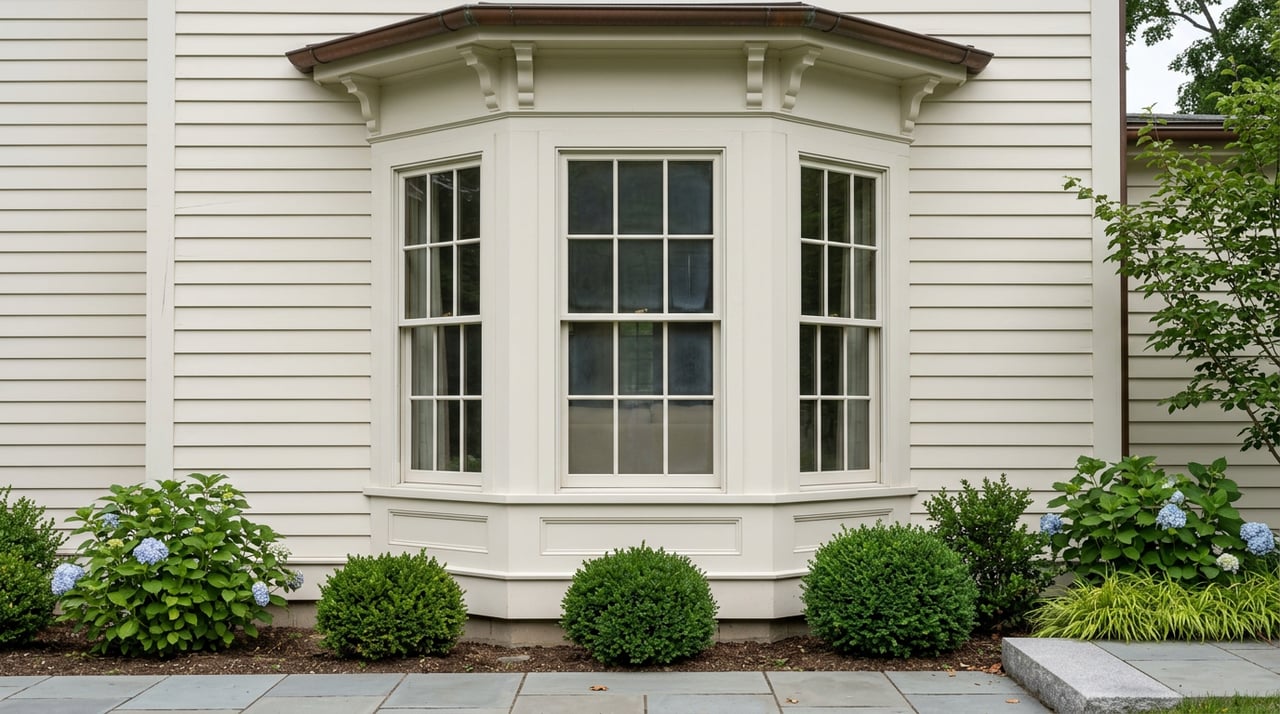
Housing here ranges from large historic single-family homes to rowhouses, townhouse condos, and apartments. Many properties sit within historic districts, so exterior changes often involve preservation review. Daily life is pedestrian oriented and culturally rich.
Centered on and around Angell Street, Wayland Square feels village-like and convenient. You can walk to bakeries, neighborhood restaurants, small shops, and services like pediatric care and dental offices. It is a favorite for people who want walkability without the busiest student corridors.
Homes include Victorian and early 20th-century houses, some duplexes, and condo options. Lots are smaller than you might find in outer suburbs, which keeps the area compact and easy to navigate on foot.
Blackstone is known for its tree-lined boulevard and linear park with a popular walking and running path. The setting is quieter and more residential, with a suburban-in-the-city feel. You are close to medical facilities, including Butler Hospital.
Expect early 20th-century detached homes, some larger single-family properties, and limited new construction. Parking is usually less constrained than on College Hill, and sidewalks and the boulevard path support an active routine.
Fox Point brings a maritime flavor with India Point Park on the waterfront and easy access to the start of the East Bay Bike Path. You can enjoy shoreline walks and quick bike rides to East Providence and beyond. Residential streets mix with small commercial pockets.
Housing options include rowhouses, condos, and multi-family buildings. Parts of Fox Point sit at lower elevations near tidal water, so buyers should review flood maps and insurance needs as part of due diligence.
Many East Side areas are highly walkable, especially College Hill, Wayland Square, and Fox Point. Blackstone is more residential but still has strong sidewalk coverage and the boulevard path. If you like to step out the door for coffee, a quick errand, or a sunset stroll, you will have options.
You will also find a variety of parks and green spaces:
Cultural life is never far. The RISD Museum, university exhibitions and lectures, and downtown theaters and events add regular enrichment to your week. Many residents plan their calendars around public talks, gallery nights, and seasonal happenings.
RIPTA bus routes serve multiple East Side corridors and connect you quickly to downtown. Many residents also bike to work or to the train station. Downtown Providence’s Amtrak and commuter rail, plus intercity buses, are accessible by a short drive or bus ride.
If you fly frequently, T.F. Green Airport is reachable by car. On-street parking and narrow historic streets can make parking variable, especially on College Hill. Some streets have permit or resident-oriented rules, so it is smart to review parking conditions when you consider a specific property.
You will see a wide range of housing types:
Large portions of the East Side sit within local or national historic districts. That is part of the charm and also an ownership consideration. Exterior changes often require review and approval by the city’s historic preservation bodies, which can add steps and costs to projects. Older homes may also have higher upkeep needs for roofing, masonry, or systems.
Market-wise, the East Side typically commands higher prices than many other Providence neighborhoods. Detached single-family homes and significant historic properties are scarce, and demand from professionals, faculty and staff, and empty-nesters keeps the market competitive. Condos and smaller homes appear more often, but inventory shifts with the season.
The East Side’s proximity to Brown and RISD shapes a community rich in arts and enrichment opportunities. Families use a mix of options that can include local public schools, citywide magnet or charter programs, and independent or parochial schools across the metro. Assignment rules and program availability can change, so it is wise to review official district and state resources as you plan.
Childcare centers, preschools, and pediatric care are concentrated near Wayland Square and the college neighborhoods. Availability varies by season, and early inquiries can make a difference when you are moving on a tight timeline.
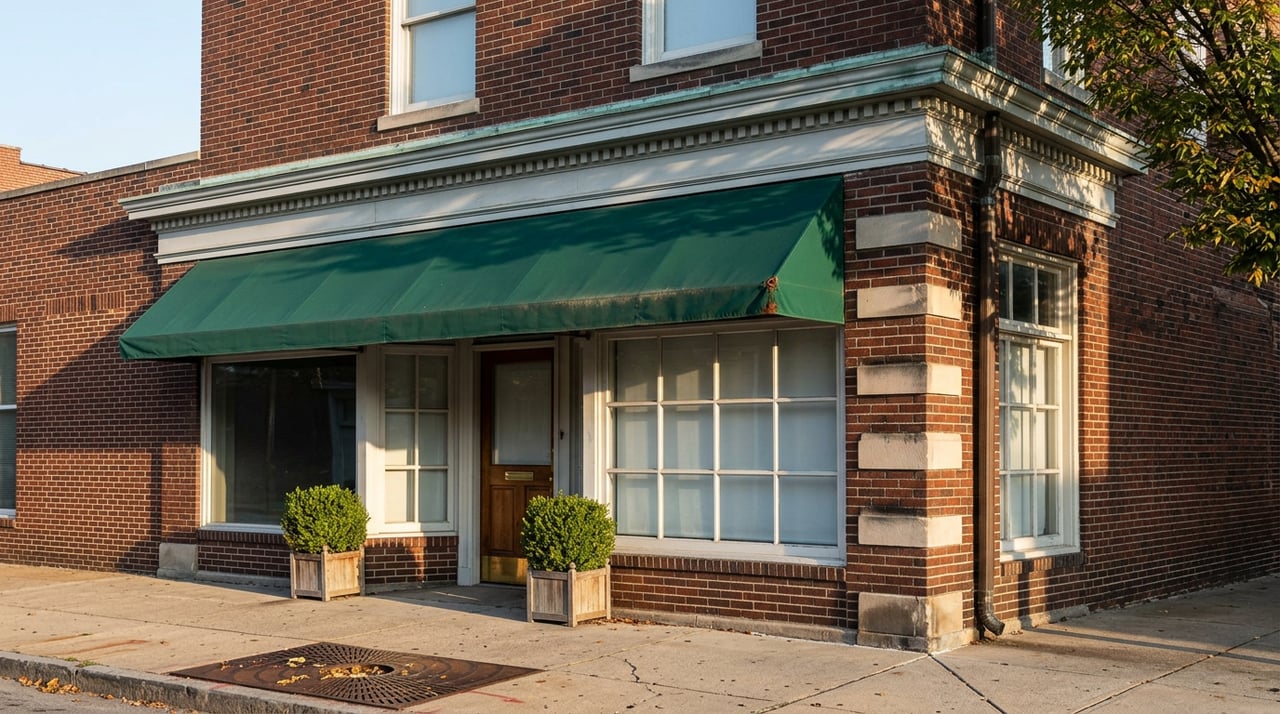
Thayer Street on College Hill is the classic retail corridor, with cafes, casual restaurants, and student-friendly shops. Wayland Square offers a quieter, neighborhood feel with bakeries, smaller restaurants, personal services, and day-to-day conveniences.
Across the East Side, you will find a range of dining from casual to special-occasion spots, plus boutiques and service businesses. For larger-format shopping, residents usually head to nearby commercial centers elsewhere in the metro area. Cultural programming is a standout, from museum visits and university performances to downtown events that are a quick bus ride or drive away.
You might be a great fit if you value walkability, love historic architecture, and want quick access to cultural life. Many residents work downtown or in university and medical settings, and appreciate short commutes by bike, bus, or car. If you like a neighborhood identity that feels both established and active, you will likely feel at home.
It might not be the right match if you want new-build homes on large lots, lower price points, or abundant private parking. Some blocks are busier due to student housing, and older properties often require more ongoing maintenance.
Before you write an offer, make a checklist:
If you are selling a historic home, highlight architectural details that set your property apart. Pre-listing inspections and targeted repairs to older systems can reduce friction during escrow. Marketing that combines professional photography, video, and strong neighborhood storytelling helps convey both emotional appeal and real-world convenience.
Blocks with student rental demand can also interest investor buyers. Clear documentation, tenant history, and compliance records help buyers move with confidence.
You deserve an advisor who understands the East Side street by street and can navigate historic guidelines, parking nuances, and shifting demand. Kira pairs neighborhood-first expertise with a high-touch, boutique process. Sellers benefit from concierge-level listing preparation and best-in-class marketing. Buyers, including relocating professionals and families, get a managed search that saves time and avoids missteps.
Ready to explore Providence’s East Side or position your home for a premium result? Connect with Kira Greene to Request a Complimentary Market Consultation.
Stay up to date on the latest real estate trends.
Ask Kira and she will happily tell you why Providence is an amazing place to call home, with the culture and diversity of a large city and the charm of a small-town community.
Please get in touch to receive market information, listings, or to meet in person!
(401) 339-5621
[email protected]
ADDRESS
369 S Main St
Providence, RI 02903