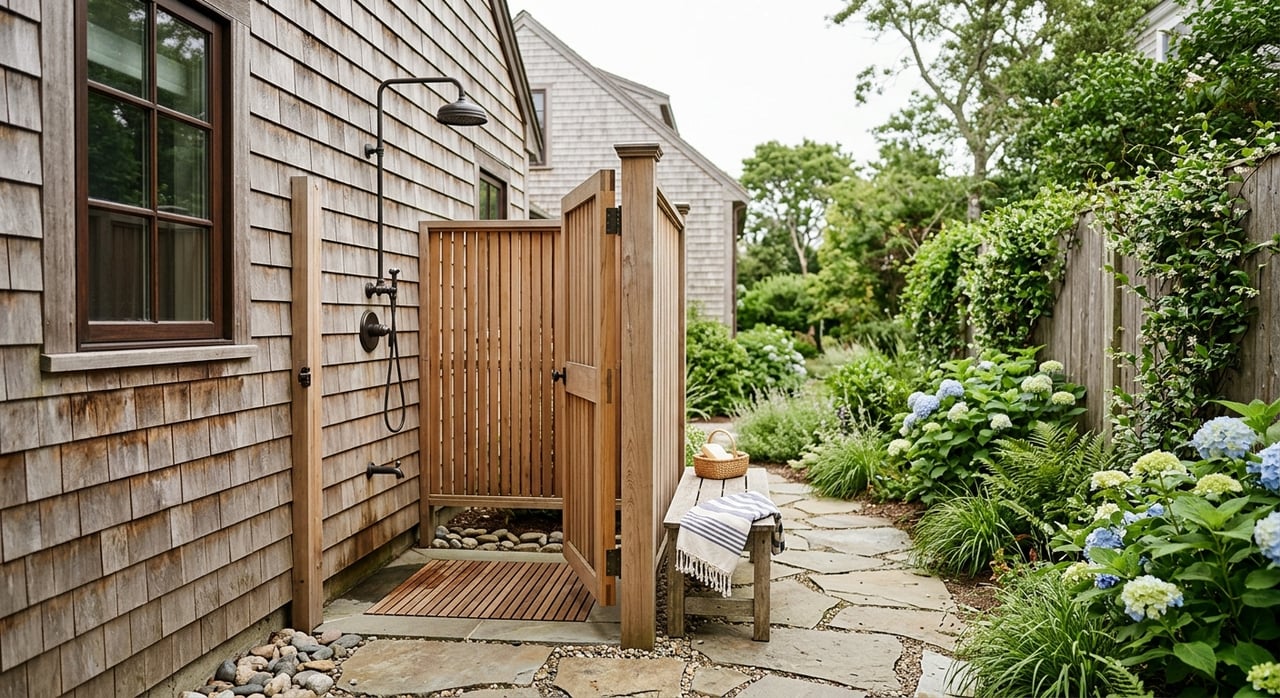
Little Compton and Tiverton Second Homes Compared
May 14, 2026
May 14, 2026
If you want a Rhode Island second home that feels quieter, more private, and less crowded than the state’s best-known coastal hubs, Little Compton and Tiverton deserve a close look. Both towns offer shoreline access, scenic character, and a slower pace, but they serve different kinds of buyers and different budgets. Understanding how they compare can help you focus your search, protect your investment, and buy with more confidence. Let’s dive in.
Little Compton and Tiverton sit in a different lane than higher-profile coastal markets like Newport and Narragansett. Based on local planning documents and current market data, they read as more retreat-oriented, lower-volume, and more privacy-focused. If your goal is a second home that feels removed from the busier visitor economy, that distinction matters.
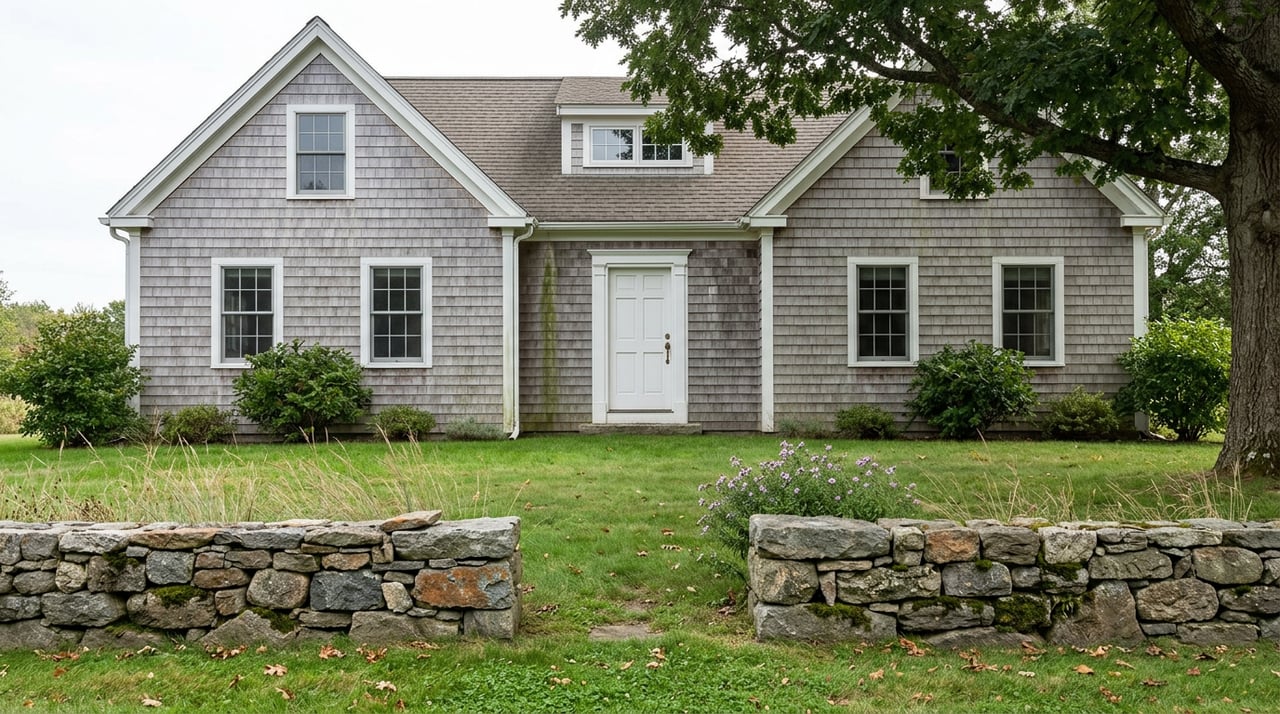
Little Compton is the more classic escape market. The town describes itself as a rural seaside community shaped by farmland, shoreline character, and seasonal shorefront homes. Its planning priorities focus on low-density residential development, active agriculture, open space, water quality, scenic views, and shore access.
Tiverton offers a broader coastal mix. Town planning materials emphasize rural character, scenic resources, open land, and preservation, while parts of Main Road north of Route 24 and Bliss Four Corners are shaped by added commercial form-based regulation. In practical terms, Tiverton can offer more variety in housing type, setting, and price point.
Little Compton feels private by design. More than 90% of the town is in the Residence District, and that district uses a 2-acre minimum lot size. Business uses are largely confined to village centers such as Adamsville, the Commons/Meeting House Lane, and Sakonnet Point.
That framework helps explain why the market often feels exclusive without being uniform. You may find everything from a smaller cottage or land parcel to a large waterfront property, but inventory stays limited. The result is a market where privacy, land, and setting tend to drive value.
There are also physical constraints that shape the buying process. The town has no public sewer system and relies on groundwater, and planning documents point to wetlands, coastal ponds, flood hazard areas, and watershed protections. For you as a buyer, that means site-specific due diligence is especially important before you commit.
Tiverton is often the more attainable entry point for second-home buyers who still want a coastal setting. It remains shaped by preservation goals, scenic resources, farms, and open land, but the market is less constrained than Little Compton. That can translate to more choices and more flexibility.
The town also has a more mixed character. Some areas lean rural and quiet, while others offer easier access to everyday conveniences and a wider range of housing stock. If you want a second home that balances coastal appeal with practical year-round use, Tiverton may be a better fit.
Tiverton’s code enforcement office also handles floodplain administration. That is especially relevant if you are considering a coastal or low-lying property. Floodplain status, insurance considerations, and local compliance should be part of your upfront review.
The biggest difference between these two markets is not just vibe. It is also supply and price.
Little Compton remains the tighter market. Zillow places the town’s average home value at $939,367, while Realtor.com shows a median listing price of $875,000, 19 active listings, and a median 31 days on market. Other current data points show as few as 10 for-sale listings, which reinforces just how limited supply can be.
That does not mean every property is ultra-luxury. Recent examples in Little Compton range from roughly $295,000 for a 2.48-acre lot to around $550,000 for a cottage-style home, $850,000 for a three-bedroom on 4.4 acres, $1.2 million for a four-bedroom on 2 acres, and well above $3.5 million for waterfront or marshfront luxury homes. In short, it is a scarcity market with a wide spread of entry points.
Tiverton is materially more accessible on paper. Zillow pegs the average home value at $546,620, while Realtor.com shows a median listing price of $730,000, 74 homes for sale, and 9 rentals with a median rent of $2,500. Neighborhood-level data also points to lower-priced submarkets such as North Tiverton, Sandy Beach, and Maplewood, where median listing prices sit in the low-$400,000s to high-$400,000s.
For many second-home buyers, Newport and Narragansett are the obvious Rhode Island reference points. They offer strong coastal appeal, but they also operate with deeper inventory and more visible visitor activity. That can be a plus if you care most about liquidity and rental depth.
Newport has 108 homes for sale and 350 rentals, with a median listing price of $1,147,500 and median rent of $3,962. Narragansett shows 89 active listings, a median listing price of about $1.02 million, and median rent around $3,000. Those numbers support the idea that both markets are more active and more turnover-driven than Little Compton or Tiverton.
If your ideal second home is a peaceful retreat first and an income property second, Little Compton and Tiverton may feel more aligned. If you want a market with heavier rental activity and more year-round transaction volume, Newport and Narragansett may sit higher on your list. The right answer depends on how you plan to use the home.
Beach access is a meaningful part of the appeal in both towns, but it is not the same experience in each place. In Little Compton, the town’s plan notes more than 43 acres of public and private beaches, including South Shore Beach. South Shore Beach is public, with summer nonresident parking fees, and the plan also notes off-season fishing parking and access to Goosewing Beach Preserve through South Shore Beach.
In Tiverton, the town’s beach program highlights Grinnell’s Beach as a small family-oriented beach and Fogland as a larger public beach known for windsurfing and other water sports. Beach operations open full time on June 13, and dogs are allowed during the off-season. That seasonal rhythm is part of the lifestyle.
For second-home buyers, this matters beyond recreation. Both towns are likely to feel much quieter in winter than Newport, where the rental and visitor base is much larger. If you value calm off-season use, that may be a feature rather than a drawback.
If you are hoping to offset ownership costs with short-term rental income, both opportunity and regulation need to be part of the conversation. In Little Compton, a 2022 housing evaluation found 106 active short-term rentals. Of those, 96% were whole-home units, with average nightly rates of $395 and average monthly revenue of about $4,800.
At the state level, Rhode Island now requires registration for any short-term rental offered for 30 nights or less on third-party hosting platforms. The registration fee is $25, and a new 5% tax applies to whole-home short-term rentals effective January 1, 2026. The state also says ADUs cannot be used for tourist or transient rentals.
Tiverton has also published draft and public-notice materials for a short-term rental ordinance that would use special-use permits. If rental income is part of your decision, you should verify the current local rules before making financial assumptions. In these markets, underwriting rental potential without checking town and state requirements is risky.
Little Compton tends to suit buyers who want a legacy-feeling property, stronger privacy, and a more protected rural coastal setting. You may be drawn to it if land, quiet, and limited inventory are part of the appeal. It is often less about convenience and more about atmosphere.
Tiverton tends to fit buyers who want coastal access with more flexibility. You may find a wider range of pricing, more inventory, and an easier balance between retreat living and everyday practicality. For many buyers, that makes Tiverton an especially compelling value play.
Neither market is better across the board. The better choice depends on whether you prioritize exclusivity and scarcity, or broader options and accessibility.
Before you buy in either town, focus on the details that shape long-term enjoyment and ownership costs. These are not markets where you want to rely on broad assumptions.
A smart review should include:
A second home should feel exciting, but it should also hold up as a practical decision. The more tailored your search is to your real goals, the better your outcome is likely to be.
If you are weighing Little Compton against Tiverton, the right guidance can save time and sharpen your strategy. Kira Greene brings a polished, high-touch approach to Rhode Island’s coastal and second-home markets, helping you evaluate not just what looks appealing, but what truly fits your lifestyle and investment priorities.
Stay up to date on the latest real estate trends.

Ask Kira and she will happily tell you why Providence is an amazing place to call home, with the culture and diversity of a large city and the charm of a small-town community.
Please get in touch to receive market information, listings, or to meet in person!
(401) 339-5621
[email protected]
ADDRESS
369 S Main St
Providence, RI 02903