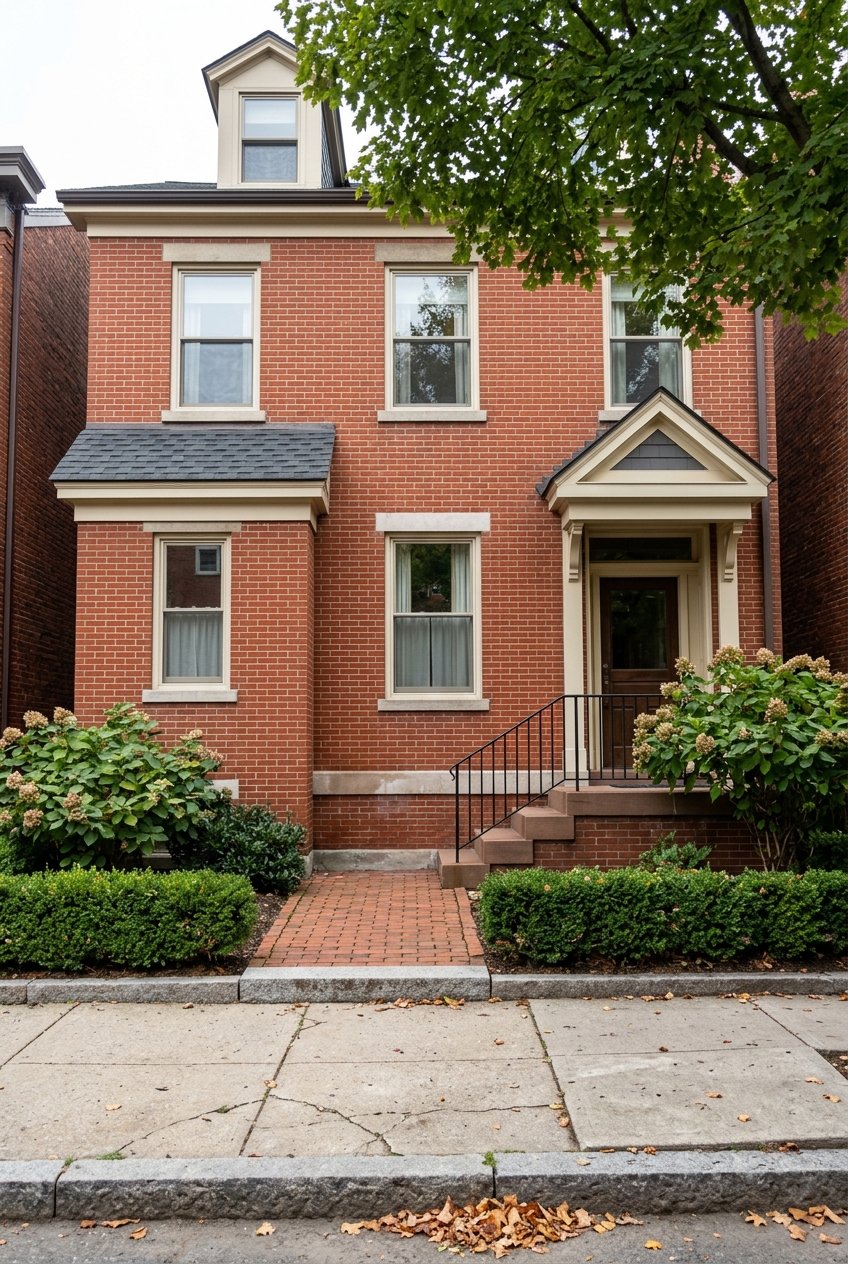
College Hill Providence Homes and Everyday Life
June 4, 2026
June 4, 2026
If you are drawn to places with real character, College Hill tends to make an impression fast. It offers a rare mix of historic architecture, everyday walkability, and the steady energy that comes from living near Brown and RISD in one of Providence’s oldest neighborhoods. If you are thinking about buying here, relocating to the East Side, or simply trying to understand what day-to-day life feels like, this guide will help you picture it more clearly. Let’s dive in.
College Hill is one of Providence’s oldest hill neighborhoods, with roots that trace back to 1636. Preservation and planning sources describe it as a historic, primarily residential district where homes sit alongside civic, educational, cultural, and religious institutions.
That matters because College Hill does not feel frozen in time. It is known for preservation, especially after mid-century anti-demolition efforts helped make it a national example of historic-area renewal, but it also functions as a living urban neighborhood. You see that balance in the way residents, students, faculty, and visitors move through the same streets each day.
Benefit Street captures that identity especially well. Often called the Mile of History, it includes buildings from three centuries and gives the neighborhood much of its visual depth. Even so, the area is not simply a backdrop for historic tours. It is a real residential setting with daily routines, errands, and neighborhood rhythms.
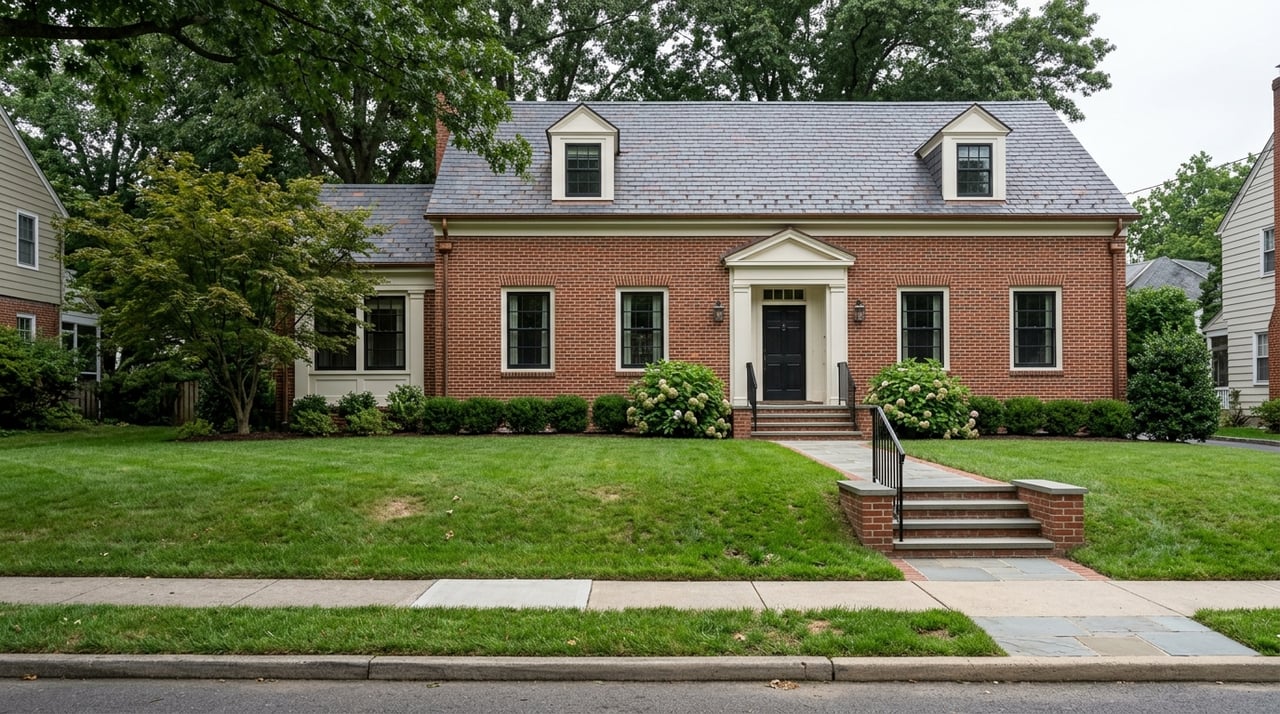
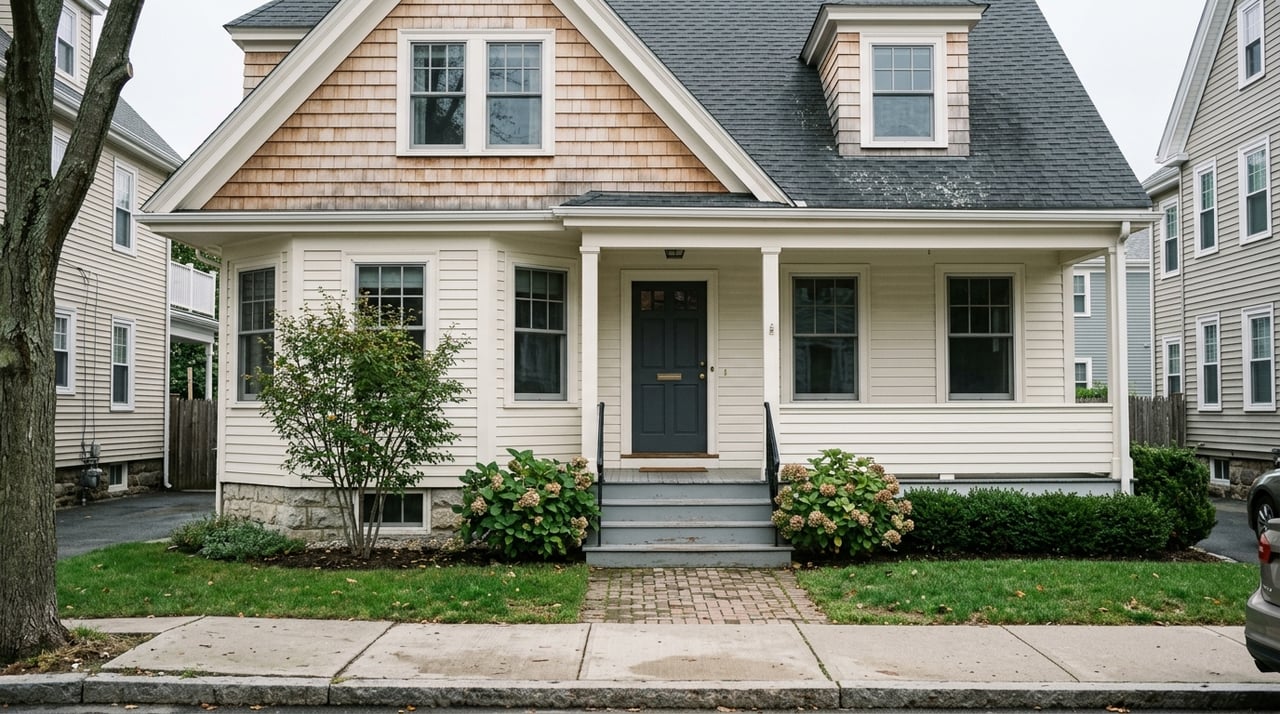
One of the biggest reasons buyers are drawn to College Hill is the architecture. Rather than showing one dominant style, the neighborhood reflects many eras of Providence’s growth.
Planning sources identify Georgian, Federal, Greek Revival, Gothic Revival, Italianate, Queen Anne, Colonial Revival, and later Modern architecture within the district. In practical terms, that means your home search here can feel much more varied than in a neighborhood built within a single decade.
You may find refined historic single-family houses, multifamily properties, apartments, institutional buildings, and later infill. The housing stock is mixed, not uniform, which gives buyers more range but also makes block-by-block knowledge especially valuable.
Benefit Street is one of the clearest examples of the neighborhood’s architectural personality. The Providence Athenæum, dedicated in 1838, is a Greek Revival landmark, and nearby historic homes and mansions reinforce the sense that College Hill is defined by individually detailed buildings rather than repetitive housing.
Living on College Hill usually means your day starts in a residential setting and unfolds in a neighborhood with constant but manageable activity. Mornings can feel calm on side streets, while the broader area becomes more active as students, employees, and visitors move through campus and nearby retail corridors.
Brown describes the neighborhood as a good place to bicycle, jog, or walk. That fits the lived experience of College Hill, where many daily tasks can happen on foot if you are located near key streets and services.
Thayer Street plays an outsized role in that routine. Brown identifies it as the East Side’s main retail spine, with small shops, restaurants, banks, and a cinema. Nearby areas like Wayland Square and Wickenden Street also help support everyday convenience.
This is one reason College Hill appeals to buyers who want an urban lifestyle without feeling fully downtown. You get a residential environment, but one that is closely tied to coffee stops, errands, campus life, and cultural activity.
Brown University and RISD are central to the way College Hill functions. Brown describes its campus as a classic New England college experience in the heart of Providence, and RISD also identifies its campus as part of what is now called College Hill.
Together, these institutions create much of the neighborhood’s day-to-day rhythm. Students, faculty, museum visitors, and campus event traffic all contribute to a setting that feels engaged and active.
For some buyers, that is a major advantage. If you enjoy being near lectures, exhibitions, museums, and a steady flow of activity, College Hill can feel stimulating and connected. If you prefer a quieter, lower-activity setting with more separation from institutional life, it may feel busier than you want.
That buyer fit is important to understand upfront. College Hill tends to work especially well for academics, relocating professionals, and buyers who want architecture, culture, and daily convenience close at hand.
College Hill is one of the more walkable parts of Providence. Brown notes that a car is useful but not necessary, thanks in part to the city’s public transportation system and the neighborhood’s location near campus and downtown connections.
RIPTA’s East Side Tunnel helps buses move between downtown and the East Side without the full challenge of the hill’s steep grade. For residents, that adds practical value beyond the neighborhood’s charm.
If you are hoping to live car-light, College Hill gives you a better chance to do that than most suburban settings. Daily errands, campus destinations, local retail, and downtown outings can often be handled on foot or with public transit support.
That said, walkability here comes with tradeoffs. College Hill is dense, historic, and layered, which is part of its appeal, but also part of what shapes parking and access.
Parking is one of the clearest compromises in College Hill. Brown points visitors to the Power Street garage and metered street parking, while neighborhood sources note that parking and traffic remain active local issues.
For buyers, this means it is smart to think beyond curb appeal. A beautiful historic home may come with a different parking setup than you are used to, and on-street parking may be possible without ever feeling abundant.
If your household is comfortable with a permit, a garage, or a more walkable routine, this may not feel like a major drawback. If you need easy, predictable curb parking every day, College Hill may ask for more flexibility.
This is one of the reasons neighborhood fit matters so much here. The right buyer often sees the tradeoff as worthwhile because the architecture, location, and lifestyle are hard to replicate elsewhere in Providence.
College Hill offers more than beautiful houses and campus surroundings. It also places you close to some of Providence’s most recognizable cultural anchors.
The Providence Athenæum, founded in 1836, is an independent library on Benefit Street that is open to the public. The John Brown House Museum on Power Street explores Rhode Island history and adds to the neighborhood’s strong connection to place.
Small open spaces also shape the experience of living here. Prospect Terrace Park offers a broad downtown view, while Brown Street Park includes sustainability features and a community garden.
These are not oversized parks or suburban greenbelts. They are the kind of pocket parks, overlooks, and civic spaces that fit a dense historic district and make everyday life feel more textured.
College Hill also benefits from its proximity to downtown events. WaterFire notes that people can park in nearby College Hill residential areas and walk downhill to the riverfront on lighting nights, which helps explain why evenings and weekends can feel especially dynamic.
College Hill tends to appeal to buyers who want historic character, walkability, and cultural access in one neighborhood. If you love layered architecture, local institutions, and an urban setting where daily life happens out on the street, it can be a compelling fit.
It is especially well suited to relocating professionals, academics, and buyers who want close access to Brown, RISD, and downtown Providence. It can also appeal to people who value architecture and neighborhood identity more than large lots or suburban quiet.
On the other hand, it may be less ideal if your priorities center on expansive yards, easy parking, or a low-activity environment. Those are not flaws in the neighborhood. They are simply part of what comes with living in a compact historic district.
College Hill is not a plug-and-play neighborhood. Its streets, housing types, preservation context, and parking realities can vary meaningfully from one block to the next.
That is why local knowledge matters. If you are comparing historic homes, multifamily opportunities, or relocation options on the East Side, you need more than a general impression of the neighborhood. You need a clear sense of how a specific property fits your lifestyle, your priorities, and the practical realities of the area.
If you are considering a move to College Hill or preparing to sell a home on the East Side, working with an advisor who understands Providence block by block can make the process more strategic and a lot less stressful. When you are ready, connect with Kira Greene for thoughtful guidance tailored to your goals.
Stay up to date on the latest real estate trends.
Ask Kira and she will happily tell you why Providence is an amazing place to call home, with the culture and diversity of a large city and the charm of a small-town community.
Please get in touch to receive market information, listings, or to meet in person!
(401) 339-5621
[email protected]
ADDRESS
369 S Main St
Providence, RI 02903