Positioning Your Wayland Square Home For A Premium Sale
June 18, 2026
June 18, 2026
Are you selling a home in Wayland Square and wondering what actually drives a premium result? In a neighborhood where buyers notice both the house and the setting around it, small decisions can shape how your home is perceived from the very first photo to the final offer. If you want to position your property thoughtfully, this guide will show you where to focus, what to protect, and how to launch with confidence. Let’s dive in.
Wayland Square stands out for a mix of walkability, historic character, and East Side lifestyle appeal. Providence’s visitor bureau describes the area as a classic New England neighborhood with city conveniences, nearby boutiques, cafés, parks, and access to the Blackstone Park Conservation District. That setting helps create a strong first impression for buyers before they even step inside.
The broader Wayland Historic District adds another layer of value. According to Rhode Island preservation records, many homes in the area were built between 1875 and 1930, with architectural styles that include Queen Anne, Colonial Revival, and Modern Colonial. In practical terms, that means buyers are often responding to original details, scale, and streetscape as much as square footage.
Current pricing also suggests the East Side commands a premium within Providence. Recent market snapshots from Redfin and Realtor.com place East Side values above the broader city, even though the platforms use different methods and time frames. For you as a seller, that points to an audience that may expect a more polished, better-presented listing experience.
If your goal is a premium sale, begin with the updates buyers notice right away. The 2025 Remodeling Impact Report says painting the entire home is one of the most commonly recommended pre-listing projects, followed by painting a single room and installing new roofing. These are not glamorous changes, but they can make your home feel cleaner, brighter, and more move-in ready.
Entry details matter too. The same report found that a new steel front door had the highest estimated resale cost recovery at 100%, while a fiberglass front door came in at 80%. In a neighborhood like Wayland Square, the front entry often sets the tone for everything that follows.
The key is to prioritize updates that improve condition and presentation without erasing the home’s identity. Fresh paint, repaired trim, refinished surfaces, and a clean, welcoming entrance usually do more for market positioning than a highly personalized redesign.
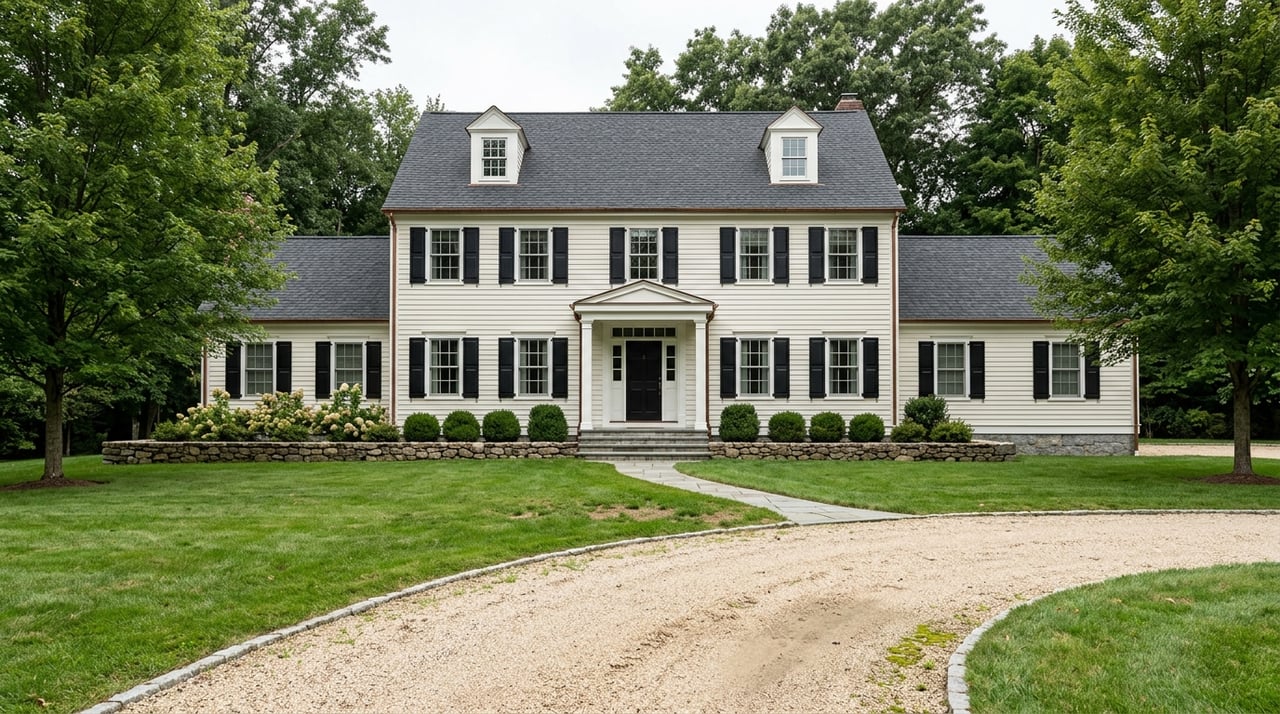
Curb appeal has an outsized role in buyer response. NAR reports that 92% of REALTORS have suggested curb appeal improvements before listing, and 97% say curb appeal is important in attracting a buyer. That matters even more in a neighborhood where homes are often admired from the sidewalk and street.
Your checklist can stay simple:
These steps help your home show well in person and in photos. They also support a stronger sense of care, which buyers tend to notice quickly.
In Wayland Square, preserving character is often part of the value story. Providence’s preservation guidelines emphasize repair over replacement wherever possible and recommend replacement in kind when necessary. They also discourage incompatible substitutions for historic doors and roof elements.
That means original materials may be worth saving when you can. Wood trim, windows, doors, porches, and period detailing often contribute to the impression that a home feels authentic rather than generic. Buyers drawn to the East Side often appreciate that difference.
If your property is in a local historic district, exterior work may require review. Providence states that an application for a Certificate of Appropriateness is required for all exterior projects in a local historic district, even when a building permit is not otherwise needed. Before changing roofs, windows, trim, doors, porches, railings, foundations, or fences, it is smart to confirm what applies.
A premium buyer does not always want the most dramatic makeover. In Wayland Square, heavily personalized or architecturally inconsistent updates can work against the home’s strengths. A better approach is often to make the property feel polished, functional, and respectful of its original style.
Think edited, not overdone. Clean finishes, consistent paint colors, repaired architectural details, and historically sympathetic choices usually position a home more effectively than trend-heavy upgrades.
Staging is not just about decoration. It helps buyers understand scale, flow, and how they might live in the home. NAR’s 2025 staging survey found that 83% of buyers’ agents said staging made it easier for buyers to visualize a property as a future home.
The same survey found that the living room is the most important room to stage, followed by the primary bedroom and kitchen. If you are deciding where to invest time and budget first, those are the rooms to prioritize.
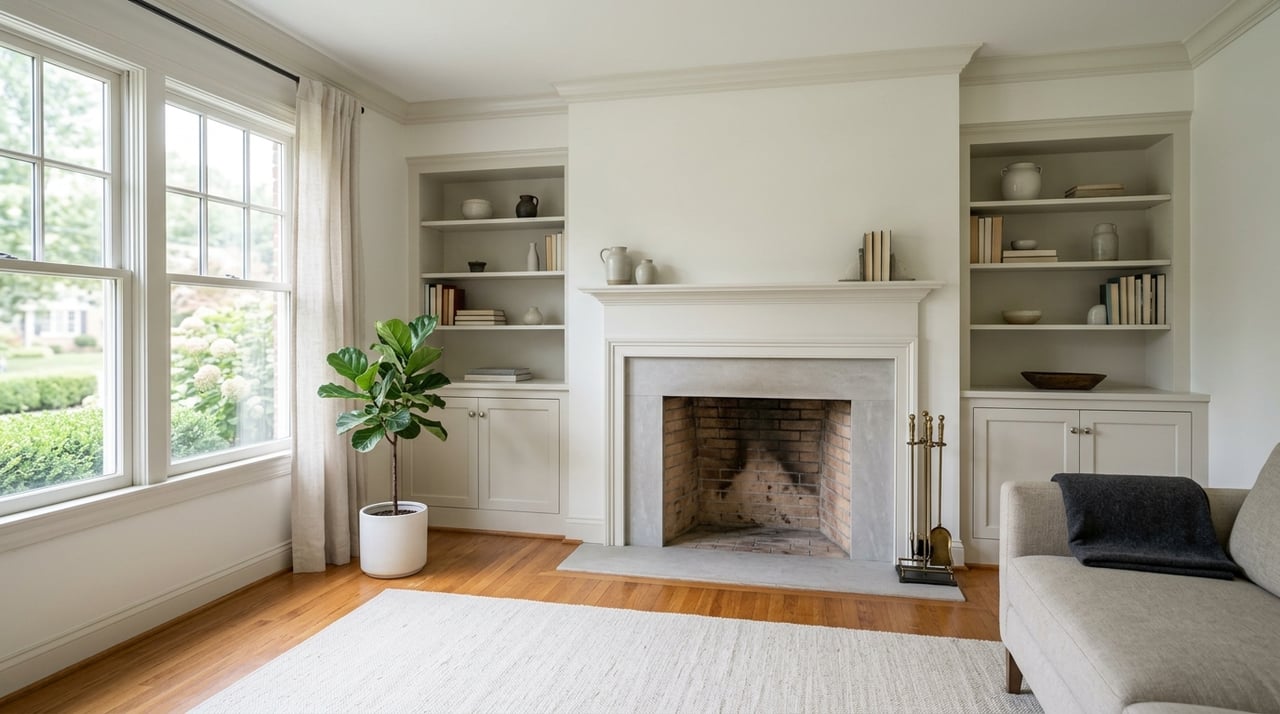
In a Wayland Square home, staging should support the architecture rather than compete with it. If you have tall windows, built-ins, fireplaces, hardwood floors, or original trim, use furniture and styling that let those features breathe. A restrained palette and fewer accessories can make period details feel elevated instead of busy.
Before furniture placement or accessories, focus on editing. Remove items that distract from light, scale, and architectural features. The goal is not to erase personality completely, but to help buyers see the home clearly.
A few smart staging principles include:
This kind of restraint tends to photograph better and feels more aligned with the refined character buyers expect in the neighborhood.
For many buyers, your listing photos are the first showing. NAR’s 2025 staging survey found that buyers’ agents ranked photos as the most important listing asset, with physical staging, videos, and virtual tours also scoring highly. That should shape how you prepare your home before it ever goes live.
The same survey found that 48% of respondents said buyers expect homes to look like they were staged on TV, and 58% said buyers were disappointed when homes did not match that standard. In other words, online presentation has a direct effect on buyer expectations and early momentum.
For a premium Wayland Square listing, media quality should feel clean, cohesive, and intentional. Professional photography, video, and virtual-tour assets help show not only the rooms themselves, but also the overall tone of the property. In a visually distinctive neighborhood, that polish can help your home stand out quickly.
How your home enters the market matters almost as much as how it looks. Compass describes a phased launch strategy that can begin as a Private Exclusive, then move to Coming Soon, and finally go live on the MLS and third-party websites. For some sellers, that sequence offers more control while preparation is being finalized.
A phased rollout can also help you avoid the common mistake of listing too early. If your home goes public before the paint is done, the staging is complete, or the media is ready, you may miss the strongest first wave of buyer interest. Once that first impression is gone, it is hard to recreate.
With the right preparation, a more deliberate launch can support privacy, sharpen pricing feedback, and help your home debut at its best. In an upper-tier East Side market, that kind of discipline often supports stronger positioning.
Compass Concierge is designed to front the cost of certain home improvements with zero due until closing. Compass says eligible services can include staging, flooring, painting, deep-cleaning, decluttering, landscaping, cosmetic renovations, and kitchen or bathroom improvements. For sellers who want to prepare thoroughly without handling every cost upfront, that can be a useful option.
The practical advantage is timing. If important work can be completed before photography and launch, your home has a better chance of entering the market fully aligned with buyer expectations.
In Wayland Square, premium positioning is rarely about doing the most. It is about doing the right things in the right order. That usually means protecting character, improving visible condition, staging key rooms with restraint, and launching with high-quality media and a clear strategy.
The strongest listings in this part of Providence tend to feel both polished and authentic. They respect the architectural story of the home while presenting it in a way that feels fresh, cared for, and easy for buyers to understand. That balance is often where premium results begin.
If you are preparing to sell in Wayland Square, working with an advisor who understands East Side buyer expectations, historic housing stock, and presentation strategy can make the process smoother and more effective. To discuss how to position your home for today’s market, contact Kira Greene.
Stay up to date on the latest real estate trends.
Ask Kira and she will happily tell you why Providence is an amazing place to call home, with the culture and diversity of a large city and the charm of a small-town community.
Please get in touch to receive market information, listings, or to meet in person!
(401) 339-5621
[email protected]
ADDRESS
369 S Main St
Providence, RI 02903