Blackstone Boulevard Providence Market Insights for Homeowners
June 25, 2026
June 25, 2026
If you own a home on or near Blackstone Boulevard, you already know it does not behave like just any Providence address. This pocket of the East Side has its own rhythm, its own buyer expectations, and its own pricing logic. If you are thinking about selling, refinancing your expectations, or simply keeping tabs on value, understanding this micro-market can help you make smarter decisions. Let’s dive in.
Blackstone Boulevard stands apart for both physical and historical reasons. Built in 1894, the boulevard includes a 1.6-mile central median and remains a well-known public landscape used by walkers, runners, bicyclists, and drivers.
The surrounding historic district developed mainly between 1915 and 1945 as a planned residential enclave. That planning mattered then, and it still matters now, because original deed restrictions shaped lot size, setbacks, garage placement, and spacing between homes.
Those details help explain why homes here often trade differently from homes elsewhere on the East Side. Standard lot sizes in the plat were around 8,000 to 12,000 square feet, which was much larger than the typical Providence lot of 4,000 to 5,000 square feet.
For you as a homeowner, that means value is often driven by more than square footage alone. Lot dimensions, siting, architectural style, and exact block placement can all influence how buyers compare your home to others nearby.
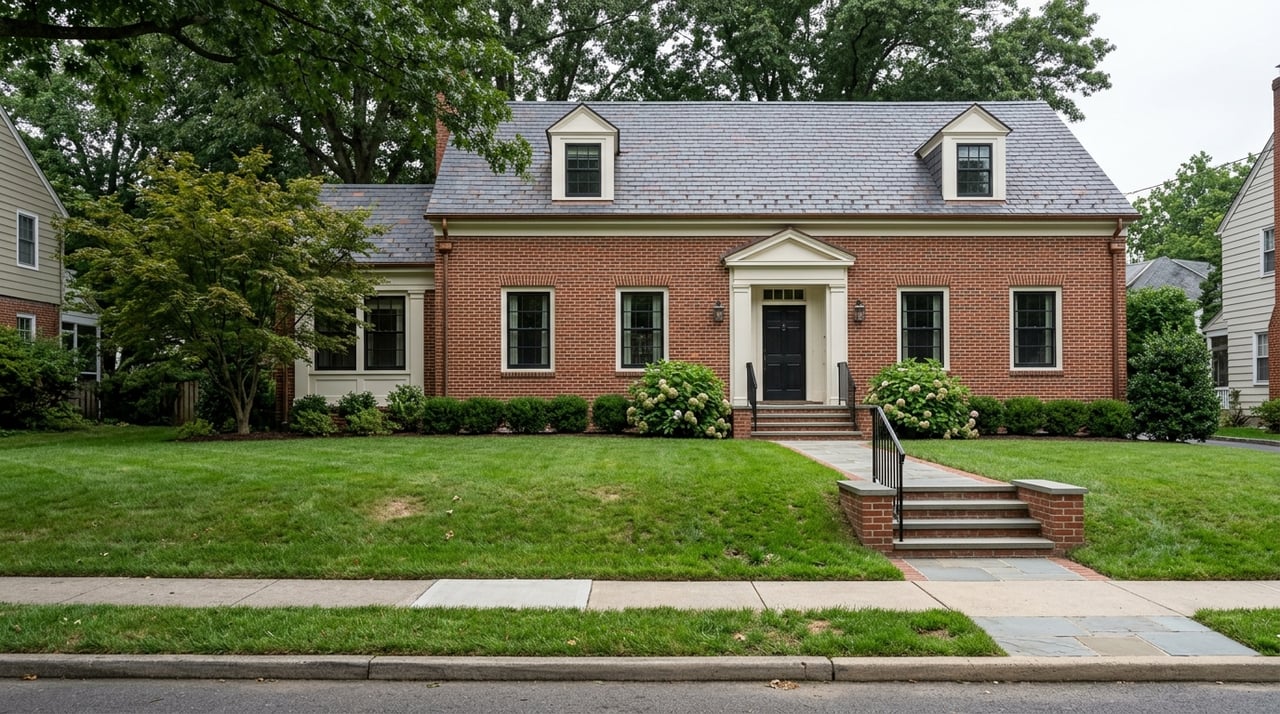
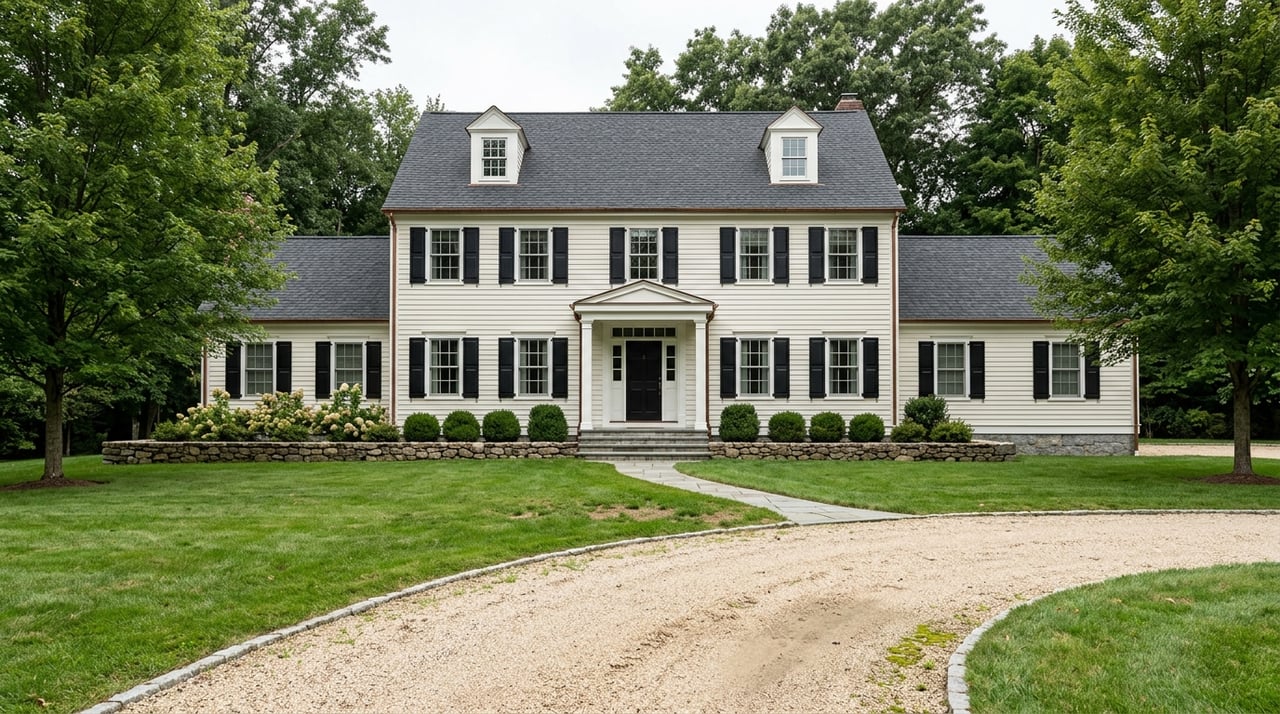
Blackstone is also known for a strong concentration of revival-style homes. The historic district documentation highlights Georgian, Tudor, Mediterranean, and Norman or French Provincial Revival architecture as especially prominent.
That matters in today’s market because buyers do not view these homes as interchangeable. A well-preserved Tudor on a prime stretch of the boulevard may attract a different response than a larger but less updated home on a nearby side street.
This is one reason broad neighborhood averages can be misleading. If you want to understand your likely value, you usually need to look at homes with similar style, condition, setting, and block location, not just any recent sale in 02906.
As of May 2026, Blackstone was a very competitive market by local standards. Over the prior three months, the median sale price was $1,256,327, up 39.6% year over year.
Homes were averaging 31 days on market, and the median sale-to-list ratio was 99.5%. About 34.5% of sales closed above list price, while 14.4% had price drops.
That combination tells an important story. Buyers are active and willing to compete, but they are still selective, and the market does not reward overpricing just because the address is desirable.
Broader 02906 data points in the same direction. In May 2026, the median listing price for 02906 was $829,000, while Blackstone carried the highest median listing price within that breakdown at $1,197,500.
Compared with Providence more broadly, Blackstone remains an upper-tier market. Over the three months ending May 2026, Providence citywide had a median sale price of $579,653 and average market time of 32 days.
Statewide conditions also provide useful context. Rhode Island Realtors reported that spring 2026 inventory had been rising for several months, but overall supply remained tight enough that all homes would be depleted in about two months if no new listings came to market.
For homeowners, the takeaway is simple: this is still an active market, but strategy matters. Strong demand helps, yet pricing, presentation, and timing still shape your outcome.
Recent sales along and near Blackstone Boulevard show how wide the range can be, even within the same micro-market. They also show why no homeowner should rely on a single number like price per square foot.
A renovated Tudor at 59 Blackstone Boulevard sold for $1,525,000 in June 2025 after about 13 days on market. It was listed at $1,500,000 and traded at roughly $533 per square foot.
At 276 Blackstone Boulevard, a home with more traditional interior character sold in September 2025 for $1,250,000 after about 56 days on market. That sale worked out to roughly $411 per square foot.
At the higher end, 514 Blackstone Boulevard sold for $2,200,000 in August 2025 after first listing at $2,795,000 and later reducing to $2,595,000. It took about 99 days from first list to sale and closed at around $313 per square foot.
Even the condo market on Blackstone tells its own story. Unit 103 at 30 Blackstone Boulevard sold in February 2025 for $690,000 after about 84 days on market, at around $563 per square foot.
The pattern is clear. Smaller or more turnkey homes can command a high price per square foot, while larger homes may sell for a higher total price but a lower per-square-foot figure.
That is why pricing a Blackstone home requires nuance. If your home is compared to the wrong product type, the wrong style cohort, or the wrong condition level, your list price can miss the market quickly.
Some homeowners assume a prestigious address gives them room to test the market high. Recent sales suggest the opposite.
Blackstone buyers may pay a premium, but they also tend to notice condition, layout, and value very carefully. In a market where 14.4% of sales had price drops, an ambitious launch price can lead to extra time on market and weaker negotiating leverage.
This is especially important in a neighborhood with varied housing stock. A boulevard-front home, a side-street historic property, and a condo on Blackstone may all appeal to different buyers with different budgets and expectations.
The strongest pricing strategy usually starts with the right peer group. That means comparing your home to nearby properties with similar architecture, lot size, updates, and overall presentation.
You cannot change your block, your lot size, or your home’s architectural bones. You can control how well the home is prepared, positioned, and presented.
In recent Blackstone-area sales, homes that appeared more updated or more fully market-ready tended to move faster. Homes that needed more imagination from buyers, or launched too high, often took longer.
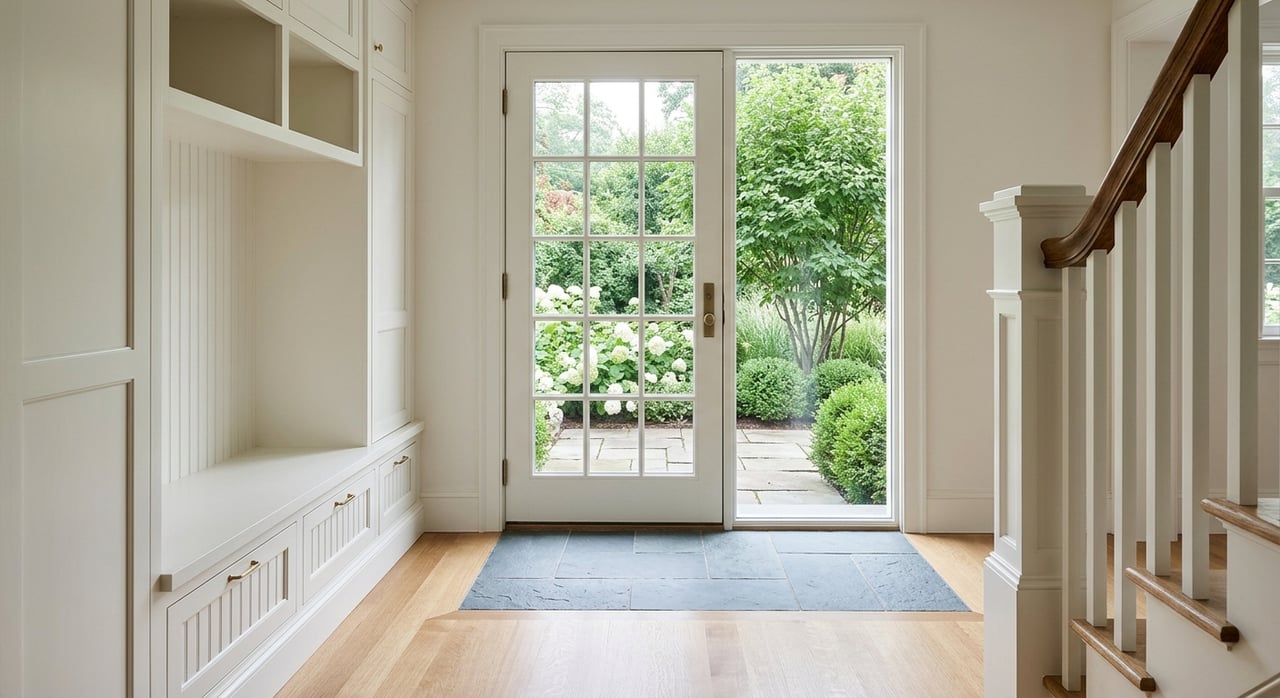
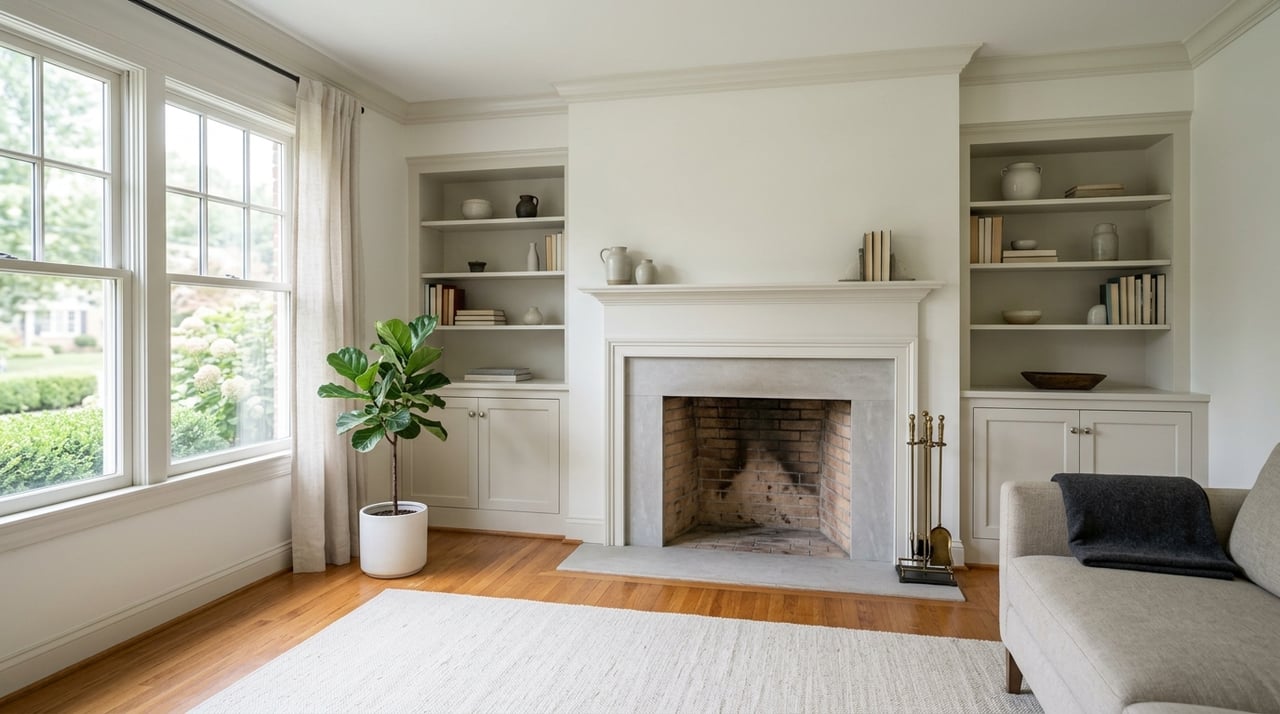
Before listing, it often pays to focus on the details buyers notice first:
In a neighborhood known for historic character, presentation should support the home rather than compete with it. Clean, thoughtful preparation can help buyers see both the beauty and livability of the property.
A good market does not eliminate the need for a good launch. In fact, the first few weeks on market are often when a well-prepared listing has the most momentum.
Rhode Island Realtors noted rising inventory in spring 2026, alongside continued affordability pressure and active sales. In practical terms, that means buyers still have interest, but they may also have more options than they did in an even tighter market.
For Blackstone homeowners, that makes timing part of the strategy. The best time to list is usually when your home is fully ready to compete, not simply when the calendar says it is a busy season.
If you own on or near Blackstone Boulevard, your home likely sits in one of Providence’s most distinct residential micro-markets. That can be an advantage, but only if your pricing and marketing reflect the specifics of your property.
A neighborhood average will not tell the full story. The homes that perform best are usually the ones positioned with precision, prepared with care, and marketed in a way that respects both the architecture and the buyer pool.
If you are wondering where your home fits in today’s market, a tailored review of recent block-level and style-specific sales is often the clearest place to start. For a polished, data-informed approach to selling on the East Side, connect with Kira Greene.
Stay up to date on the latest real estate trends.
Ask Kira and she will happily tell you why Providence is an amazing place to call home, with the culture and diversity of a large city and the charm of a small-town community.
Please get in touch to receive market information, listings, or to meet in person!
(401) 339-5621
[email protected]
ADDRESS
369 S Main St
Providence, RI 02903