
Understanding East Side Providence Home Values & Pricing
April 2, 2026
April 2, 2026
Wondering how to price a historic East Side Providence home without leaving money on the table or watching it sit? You are not alone. If your home has architectural character, a notable location, or a renovation story, pricing it can feel more nuanced than plugging numbers into a basic online estimate. The good news is that there is a smart way to do it. In this guide, you will learn what actually drives value in Providence’s historic East Side, how local market data shapes pricing strategy, and where sellers often misread the market. Let’s dive in.
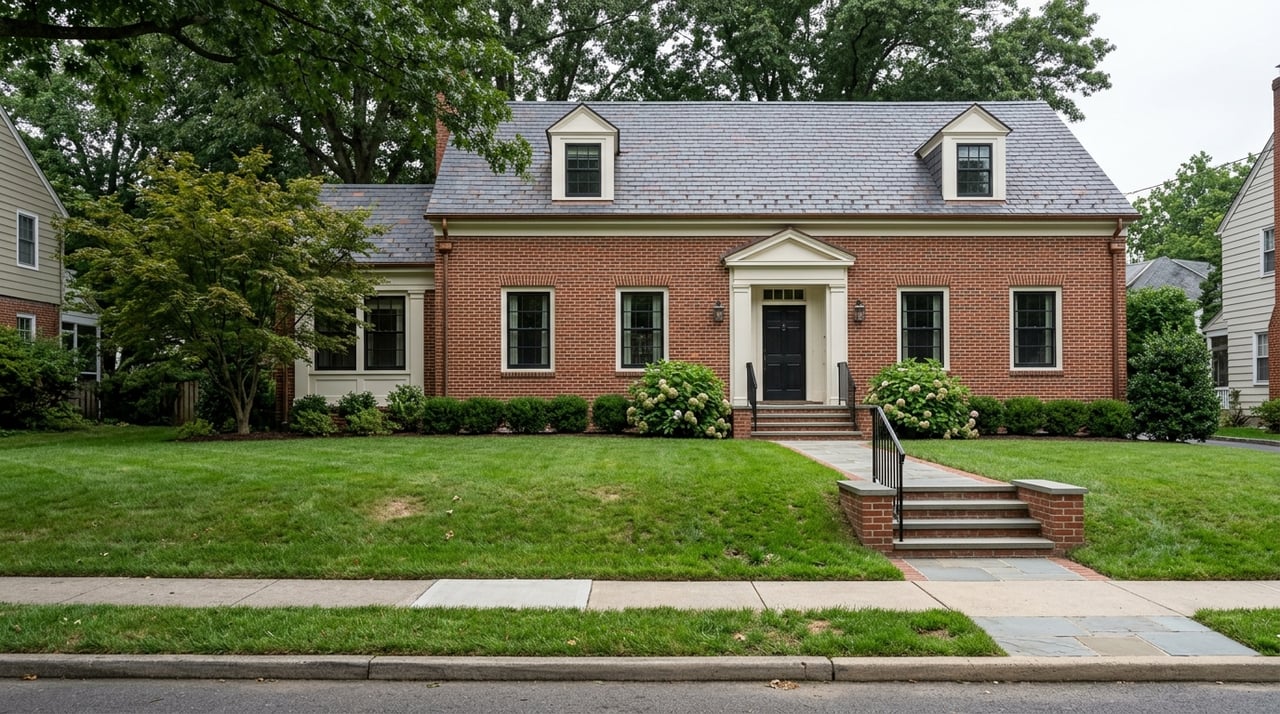
Historic East Side homes are rarely simple apples-to-apples comparisons. In Providence Ward 2, neighborhoods like Blackstone, College Hill, and Wayland each have distinct housing stock, lot patterns, and buyer expectations. The city describes College Hill as the original settlement area and a local historic district with about 945 properties, while Wayland Square is noted as a prominent commercial center with strong walkability appeal. That mix of architecture, convenience, and neighborhood identity affects pricing in ways that a citywide average cannot capture.
On top of that, historic designation can shape how buyers view future projects. According to the City of Providence, properties in local historic districts may require review and approval from the Providence Historic District Commission for exterior alterations, while National or State Register status alone does not trigger the same level of private review. That matters because buyers are often pricing not just the home as it stands today, but also the ease or complexity of owning it over time.
Historic charm matters, but it is only one part of the value picture. Guidance referenced by Freddie Mac on appraisals points to the core drivers buyers and appraisers both weigh: size, age, room count, condition, location, lot size, upgrades, amenities, and market conditions. In other words, character helps, but it does not erase deferred maintenance or make every old house worth a premium.
That is especially true on the East Side, where buyers often compare two homes with similar vintage but very different functionality. One may have updated systems, strong natural light, parking, and a usable yard. Another may have beautiful period detail but need meaningful work. Buyers tend to pay for the full package, not age alone.
Recent East Side sales show how sharply execution can affect value. A fully renovated College Hill home at 172 Williams St sold for $1.715 million in March 2026. A 1929 Mediterranean Revival at 514 Blackstone Blvd sold for $2.2 million after an extensive renovation, and 349 Wayland Ave sold for $3.75 million in November 2025. These examples suggest that preserved character paired with turnkey condition can push a home into a very different pricing bracket.
For sellers, that means presentation and prep matter. If your home is beautifully maintained or recently renovated, your pricing strategy should reflect that. If your home needs work, the market will usually notice quickly.
In historic neighborhoods, lot differences can be surprisingly important. Fannie Mae’s appraisal guidance on neighborhood analysis notes that appraisers pay close attention when a site is larger than what is typical for the area and must explain how that affects comparability and marketability. In practical terms, a larger lot, better parking setup, garage access, or more functional outdoor space can separate two otherwise similar homes.
That is a key point on the East Side, where off-street parking and usable outdoor space are not always a given. If your property has these features, they should be part of the pricing conversation from the start.
A strong pricing strategy starts with the right local benchmark. As of February 2026, Redfin reported a Providence median sale price of $505,000, 54 median days on market, and a 98.6% sale-to-list ratio. But the broader East Side posted a much higher median sale price of $755,000, with 43 median days on market and a 97.9% sale-to-list ratio.
That gap is important. If you price a historic East Side home based on broad Providence data, you can miss the mark. East Side buyers are often evaluating a more specific set of tradeoffs tied to architecture, location, and condition.
Even within the East Side, submarkets move differently. In February 2026, Redfin neighborhood data showed a median sale price of $940,000 in College Hill, $899,000 in Blackstone, and $612,500 in Wayland. Median days on market were 46 in College Hill, 54 in Blackstone, and 55 in Wayland.
Sale-to-list ratios tell another useful story. College Hill came in at 97.4%, Blackstone at 96.8%, and Wayland at 101.0%. That suggests especially strong homes in Wayland may attract aggressive offers, while College Hill and Blackstone may be somewhat more price-sensitive overall.
For most historic East Side homes, pricing should begin with the best comparable sales in the same neighborhood. From there, you adjust for the details that buyers actually care about.
A practical framework often includes:
This is where experience matters. On the East Side, two houses can look similar on paper and perform very differently in the market.
Some historic homes are simply hard to match. Fannie Mae’s comparable sales guidance says that for unusual or architecturally distinctive properties, the best comparables are usually in the same neighborhood or market area, but if those are limited, appraisers may use the best available sales from a competing neighborhood and explain the differences.
That is highly relevant for upper-tier East Side homes. If your property is especially distinctive, the pricing conversation may need to pull from a broader but still logical set of sales. The key is not stretching for a number. It is building a case that buyers, and eventually an appraiser, can follow.
Many sellers assume low inventory means they can name any number and wait. Rhode Island REALTORS reported in February 2026 that statewide single-family sales started the year at the lowest January level since 2011, while inventory remained at 1.7 months of supply. That shortage supports seller leverage, but it does not remove the need for pricing discipline.
On the East Side, median marketing times still ran roughly 43 to 55 days across submarkets. Many homes sold below list or only modestly above it. That suggests buyers are still selective, especially when a home’s condition or pricing story does not line up.
Aspirational pricing can cost you time. And in many cases, time on market weakens your leverage rather than strengthens it.
If your buyer is financing the purchase, appraisal matters. The Consumer Financial Protection Bureau explains that appraisal values are generally based on comparable local sales, and if the appraisal comes in below the contract price, that lower appraisal is strong evidence the agreed price was above market value.
For sellers, that means the right price is not just about attracting offers. It is also about protecting the deal from falling apart later. A well-supported asking price creates a smoother path from launch to closing.
Historic district status often raises questions during pricing discussions. According to the City of Providence historic district information, local historic district status requires review for certain exterior changes, but National Register status alone does not create the same private-review protection. Rhode Island’s preservation office also states that local historic district zoning protects neighborhood character and may add time and effort before construction begins, but it does not change property taxes.
That last point is important because it is often misunderstood. Historic status itself does not automatically raise your tax bill. Taxes are based on fair-market value, not simply on designation.
For owners of rental properties built before 1978, there is another layer to know. Rhode Island notes that a Certificate of Lead Conformance is required, and historic properties are not exempt. At the same time, the state also says tearing out historic fabric is not necessary to pass a lead inspection, which can help owners think more clearly about compliance planning.
The best pricing strategies usually start before the home hits the market. That does not always mean a full renovation. It does mean understanding what buyers will reward and what they will discount.
Before listing, it helps to assess:
A polished launch can make pricing more effective. For distinctive East Side homes, strong preparation, sharp marketing, and a pricing story rooted in the right data often work better than testing the market with an unsupported premium.
If you are thinking about selling a historic home on Providence’s East Side, the goal is not just to pick a number that sounds impressive. It is to position your home where buyers see the value, the market supports the price, and the path to closing stays intact. If you want a tailored pricing strategy built around your home’s architecture, condition, and micro-market, connect with Kira Greene for a complimentary market consultation.
Stay up to date on the latest real estate trends.
Ask Kira and she will happily tell you why Providence is an amazing place to call home, with the culture and diversity of a large city and the charm of a small-town community.
Please get in touch to receive market information, listings, or to meet in person!
(401) 339-5621
[email protected]
ADDRESS
369 S Main St
Providence, RI 02903