East Greenwich vs Warwick Homes for Commuting Families
March 5, 2026
March 5, 2026
If you are moving to Rhode Island for work and trying to choose between East Greenwich and Warwick, you are not alone. Both offer coastal New England living, access to Providence, and a range of neighborhoods that can fit a busy family. Your decision likely comes down to commute, schools, budget, and day‑to‑day lifestyle. This guide breaks down the trade‑offs so you can feel confident about your shortlist. Let’s dive in.
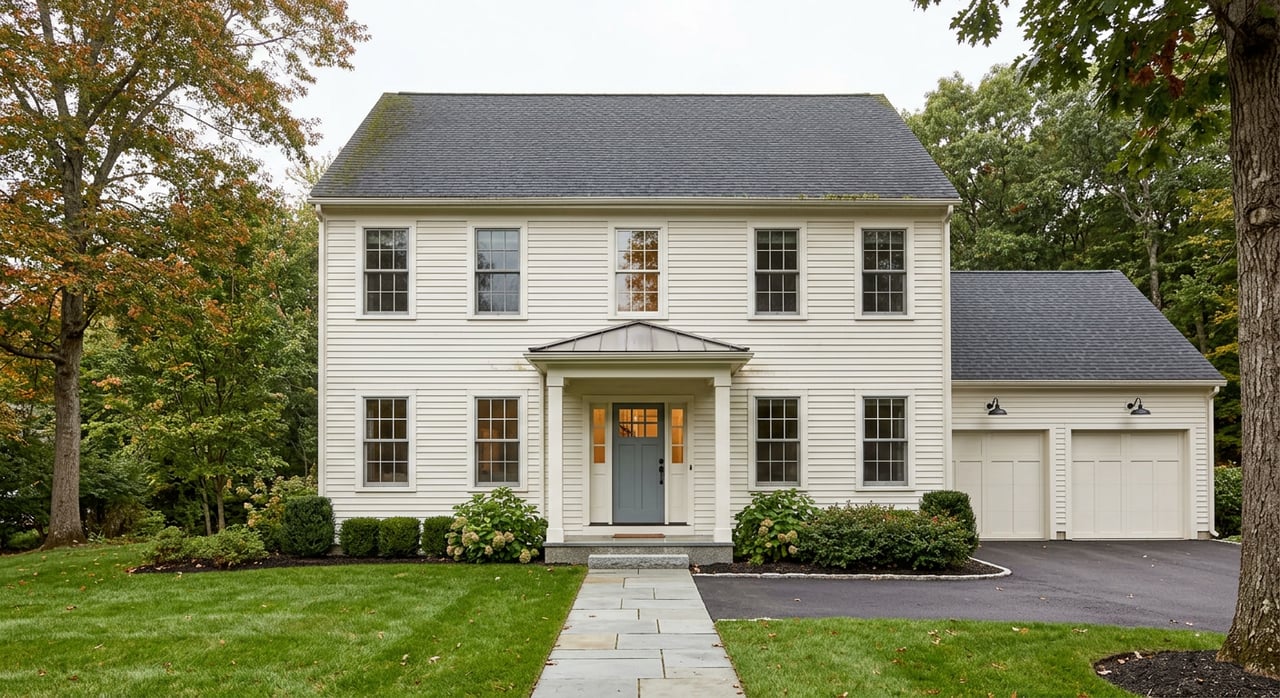
East Greenwich fits you if you want a smaller‑town feel with a walkable Main Street, marinas, and a compact footprint. The town is known for high‑performing public schools and historic New England charm. You will see fewer listings on the market and higher typical prices, which reflects sustained demand. Learn more about the town’s character on the official About East Greenwich page.
Warwick fits you if you value choice, price range, and transit convenience. As a larger city with many neighborhoods and T.F. Green Airport inside its borders, Warwick offers a broad mix of homes, from post‑war ranches and traditional colonials to condos and waterfront pockets. Median values in many areas are lower than East Greenwich, which gives you more options at different budget levels.
Public schools are a top concern for many relocating families. Always verify current data on Rhode Island Department of Education (RIDE) report‑card pages before you buy, since boundaries and measures can change.
East Greenwich is a small district with one public high school for grades 9–12. You can review current school details on the RIDE Data Center page for East Greenwich High School. District schools have received state recognition over time, and several appear on RIDE’s list of award‑winning schools. Many families choose East Greenwich for this consistent reputation. For precise insights, check the latest RIDE report‑card measures and confirm elementary attendance zones during your home search.
Warwick Public Schools is a larger district with many elementary schools, two comprehensive high schools (Pilgrim and Toll Gate), and a career and tech center. You can browse district information and updates on the Warwick Public Schools site. Facilities planning has been active in recent years, with major high‑school projects under discussion. A recent local vote on a supplemental $50 million bond did not pass, as covered by the WarwickPost. Because performance and offerings can vary school by school, it is smart to review individual RIDE report cards for the campuses that align with any home you are considering.
Commuting is often the deciding factor. Below is a quick guide to typical drive times and rail options. Your actual time will depend on your exact start and end points and the hour of travel.
From East Greenwich, the drive to downtown Providence typically runs about 15 to 25 minutes in normal traffic, depending on route and origin point. See a reference example with East Greenwich to Providence distance and time.
From many Warwick neighborhoods, you can reach Providence in roughly 10 to 20 minutes, with multiple highway options including I‑95 and Route 37. Across the city, the average commute to work is about 25 minutes, based on the DataUSA Warwick profile.
Tip: Test a few sample routes at your actual work start time. Try both peak and off‑peak to see how your schedule feels.
From East Greenwich to Boston, you are looking at roughly 65 miles and about 1 hour 10 minutes under normal conditions. Review the baseline on TravelMath’s EG‑to‑Boston estimate. Daily Boston commuting from either town is possible for some roles but is more common on a hybrid or part‑time basis.
MBTA commuter rail serves T.F. Green (Warwick) and Wickford Junction (North Kingstown). Service south of Providence is more limited in frequency and is often focused on weekday peak periods. Check the MBTA Wickford Junction station page for the latest schedule. For station and intermodal details, including the airport connection, review RIDOT’s Trains to Planes overview.
Practical takeaway: East Greenwich residents who use rail typically drive to T.F. Green, Wickford Junction, or Providence to catch a train. Warwick residents may have a shorter drive to T.F. Green’s InterLink. Always map your exact train times against your work schedule before you commit.
Both towns offer classic New England housing, yet the market profile feels different when you start touring.
East Greenwich. Expect higher median owner‑occupied values and a tighter inventory, with many single‑family homes and historic properties close to Main Street and the harbor, plus newer subdivisions farther out. ACS data indicate a median owner value around $672,000, reflecting the town’s premium positioning. The town’s own overview page highlights its historic and waterfront context.
Warwick. You will find a wide range: post‑war ranches and split‑levels, traditional colonials, condos and active‑adult options, as well as waterfront communities such as Buttonwoods, Warwick Neck, and Gaspee Point. Citywide values are typically lower than East Greenwich, with ACS‑based medians commonly in the low $300,000s for recent periods. For context on commute patterns and demographics that shape buyer demand, see the DataUSA Warwick profile.
Because data sources use different methods and time windows, think in ranges rather than a single number. A simple rule of thumb many buyers use: East Greenwich typically benchmarks in a higher median band, while Warwick commonly offers more supply in the low‑to‑mid price brackets for the metro. Ask for a current snapshot before you write your offer.
Use this short list to focus your first visits. Then calibrate by commute and school preference.
If you are weighing East Greenwich against Warwick, a focused half‑day tour can make your direction clear. Start with two or three neighborhoods in each town, test your exact commute, and pull current school and market stats before you write.
For a curated route, on‑the‑ground neighborhood context, and an updated pricing brief, connect with Kira Greene. As a relocation‑savvy, high‑touch advisor with deep Rhode Island expertise, Kira can help you align the right home, school path, and commute with confidence.
Stay up to date on the latest real estate trends.
Ask Kira and she will happily tell you why Providence is an amazing place to call home, with the culture and diversity of a large city and the charm of a small-town community.
Please get in touch to receive market information, listings, or to meet in person!
(401) 339-5621
[email protected]
ADDRESS
369 S Main St
Providence, RI 02903