
Preparing to Sell a Home in East Bay RI’s Barrington, Warren & Bristol
March 24, 2026
March 24, 2026
Are you thinking about selling your East Bay home in the next year? You want a strong result without derailing your life with endless projects. With the right timing, targeted updates, and a clear plan, you can launch with confidence and capture buyer attention fast. This guide breaks down what matters most in Barrington, Warren, and Bristol, from market timing to disclosures, so you know exactly where to focus. Let’s dive in.
The Barrington–Warren–Bristol corridor sits within Bristol County and typically trades in the mid to upper tier for Rhode Island. Barrington often commands higher median prices than neighboring towns, while Bristol and Warren see steady demand, especially for coastal, historic, or walkable locations. Seasonality is real here, and buyer traffic rises in spring and early summer.
You should expect monthly shifts in pricing and days on market, so confirm current figures with recent MLS data before you list. For a statewide snapshot and local context, review the Rhode Island Association of REALTORS January 2026 update, which outlines inventory and pricing trends across the region. You can reference the association’s market materials for a benchmark view of conditions in this infographic.
Spring is the prime selling season in southern New England. If you want to go live between late March and June, plan your prep work 6 to 12 weeks in advance. That window lets you complete updates, stage, and book great photography.
You can also build pre-market momentum with modern brokerage tools that help coordinate prep and marketing before you hit the MLS. Programs like Compass Concierge can front certain improvement costs, then get repaid at closing, which can help you move quickly without upfront cash.
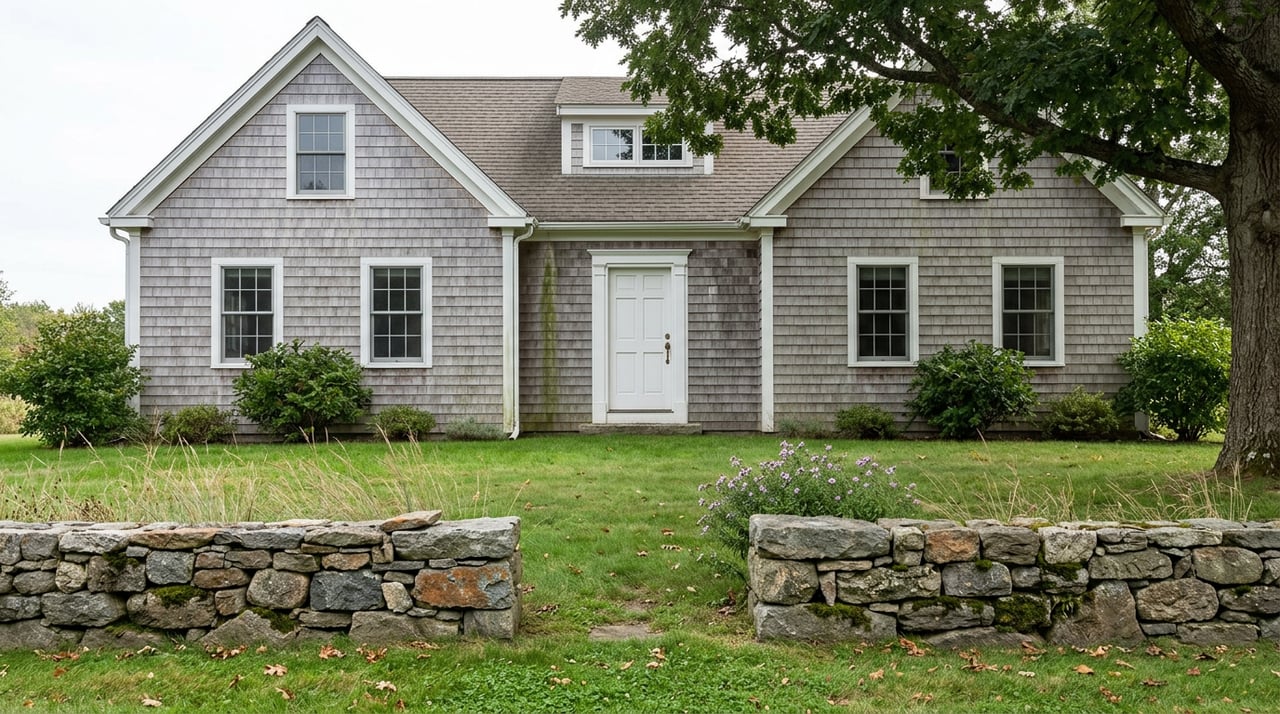
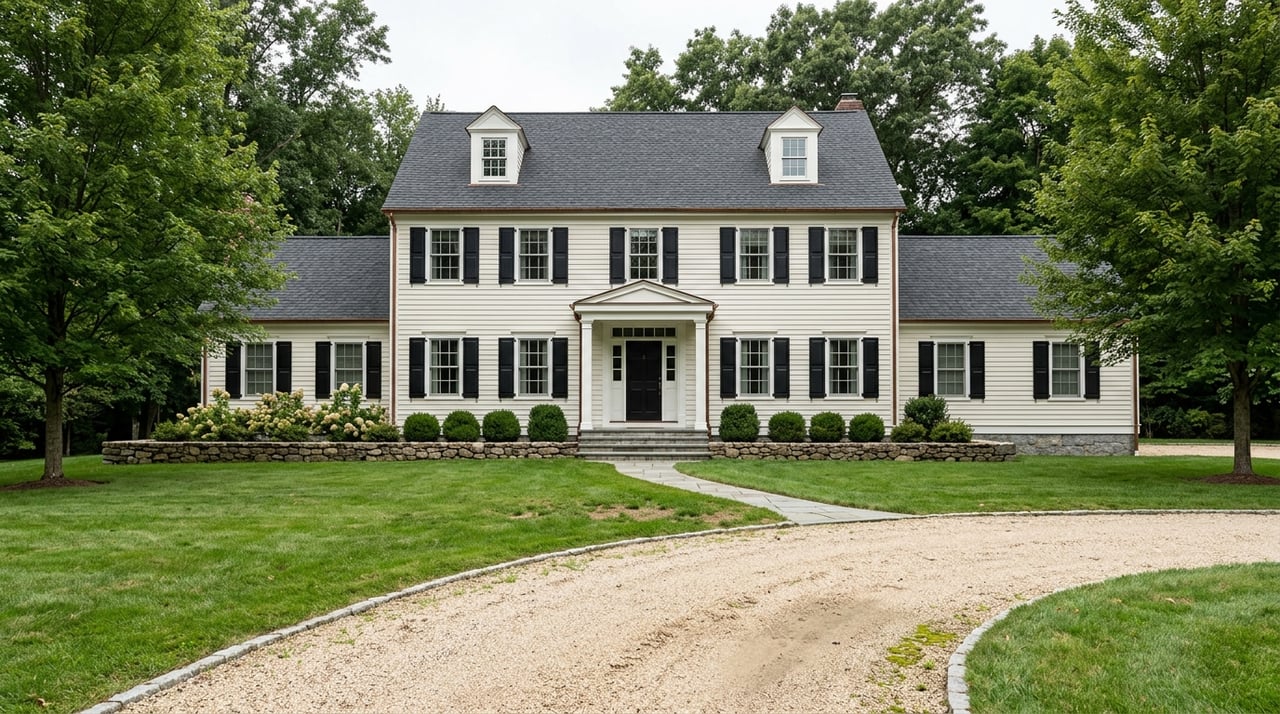
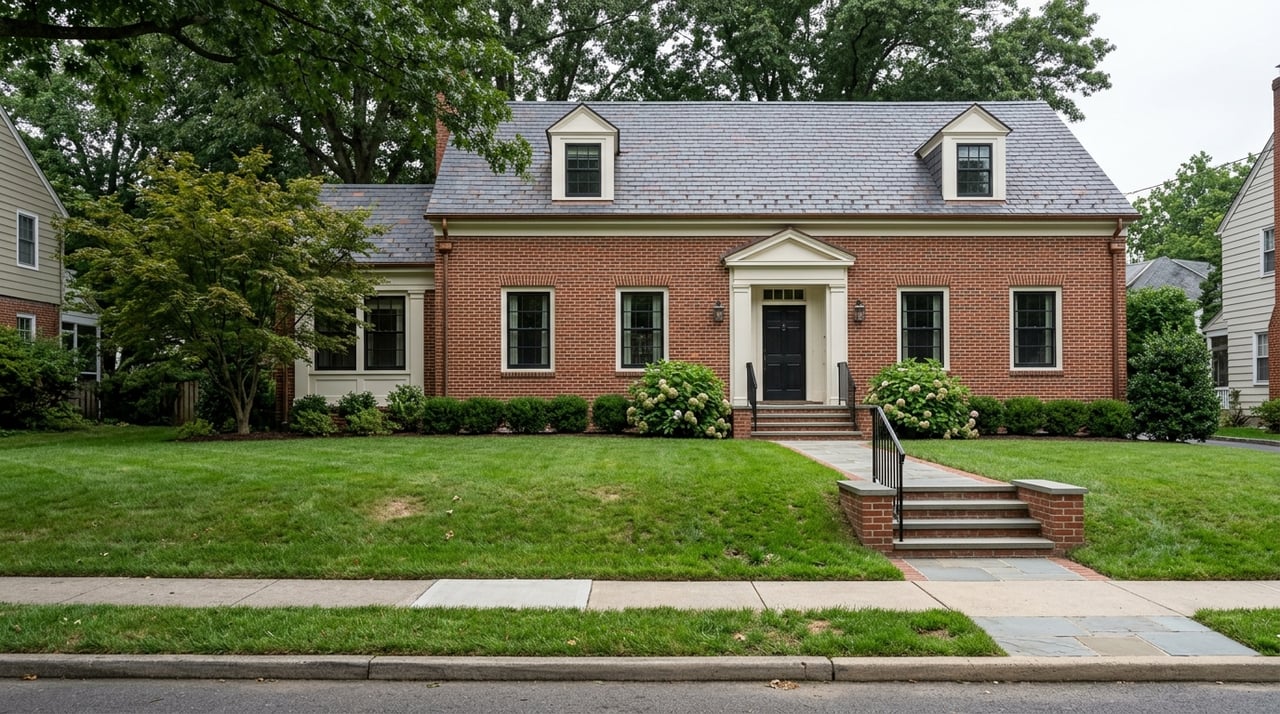
East Bay housing has character. In Bristol and Warren, you see Colonial, Federal, Greek Revival, and Victorian homes near downtown and along the harbor. In Barrington, you’ll find early 20th-century Colonials, capes, and waterfront estates around areas like Nayatt Point. Historic districts and established neighborhoods shape buyer expectations: classic details, tidy façades, and polished presentation tend to perform well. For a sense of Bristol’s architectural heritage, browse the state’s historic survey from Preservation Rhode Island.
Lifestyle anchors also rank high on buyer lists. In Bristol, Colt State Park and the East Bay Bike Path add daily-life appeal and attract outdoor-focused buyers. You can get a feel for the park’s regional draw on the Colt State Park page. In Barrington, water access and boating amenities attract buyers who prioritize recreation. Warren’s compact downtown and harbor scene appeal to those seeking a small-town coastal lifestyle.
Many families consider public school performance as part of their decision-making. Barrington Public Schools report strong academic results and community engagement; you can explore recent district highlights through the high school’s updates on this page. Keep your language neutral when discussing schools and focus on verifiable facts and resources.
A polished, move-in ready look resonates with East Bay buyers. Start with projects that deliver clear impact for cost and time.
Focus dollars on high-visibility updates that buyers value. In our region, exterior refreshes and modest interior improvements tend to perform better on cost recapture than heavy remodels. If your kitchen or baths are serviceable, small upgrades can modernize the feel without overcapitalizing. If a major overhaul is on the table, weigh it against neighborhood pricing and how long you plan to hold the home.
Professional staging costs vary by scope and property size. Industry surveys commonly cite around a one to two thousand dollar median range for many single-family listings, but local vendors and needs will determine your quote. Ask for a clear proposal with rooms included, accessories or furniture rental, and duration.
A little sequencing goes a long way. Use this framework to shape your plan and adjust for your home’s size, condition, and goals.
Rhode Island requires a written Real Estate Sales Disclosure Form for most residential sales. This covers structural components, systems, hazardous materials, water or septic, and other material facts. You can review the state statute governing disclosures in Chapter 5-20.8 of the Rhode Island General Laws here. Coastal properties may involve additional shoreline access considerations; see the Rhode Island Association of REALTORS notice on the new shoreline access disclosure requirement at this link.
If your home was built before 1978, federal lead-paint disclosure rules apply. Sellers must provide the EPA pamphlet and offer buyers an opportunity to conduct a lead inspection. Keep documentation organized and accessible.
Septic and wastewater are important in coastal watersheds. Many East Bay areas encourage inspections and proactive maintenance of onsite systems, especially near tidal water. Check with your town’s health department to confirm whether an inspection, pump-out, or certification is required at transfer. For context on local watershed priorities, review the Bristol–Kickemuit planning materials from the Rhode Island Department of Environmental Management here.
Flood, coastal access, and insurance topics also matter near the water. Disclose any known flood history and advise buyers to review FEMA flood maps and the Coastal Resources Management Council guidance as part of their diligence. Because rules and maps evolve, refer questions to the town or a licensed professional.
Pro tip: Consider a pre-listing home inspection. It helps you decide what to fix versus price around and can streamline negotiations later. If your property uses a septic system, confirm any town transfer requirements and plan ahead to avoid closing delays.
Many sellers want to refresh before listing but prefer to avoid upfront costs and contractor wrangling. Brokerage programs like Compass Concierge can front the cost of approved pre-listing services such as painting, staging, landscaping, minor repairs, and professional media. The balance is repaid at closing under the program’s written terms. Availability, covered services, fees, and repayment triggers vary by office and state, so always review the agreement details with your listing agent and ask questions about timelines and vendors.
This model can be especially useful in Barrington, Warren, and Bristol where polished presentation and seasonality affect results. Used strategically, it helps you list faster, look better online, and capture peak buyer traffic.
Your pricing strategy should match real-time local comps, your home’s condition, and micro-location advantages like proximity to water, parks, or village centers. Day-one presentation matters: professional photography, compelling copy, and accurate floor plans build momentum. Strong pre-market preparation and a clear launch plan can translate into more showings and, often, stronger offers.
If you need to sell outside peak spring, you can still win with the right approach. Tighter inventory in fall and winter can create focused demand. The key is to meet or exceed buyer expectations for condition and to price in line with the most recent, nearby sales.
If you’re aiming for a premium result with minimal friction, a thoughtful plan and expert guidance can get you there. From targeted updates and staging to disclosures and launch timing, you deserve a process that feels clear and well managed. To discuss timing, pricing, and a custom prep plan for your East Bay home, connect with Kira Greene for a complimentary consultation.
Stay up to date on the latest real estate trends.

Ask Kira and she will happily tell you why Providence is an amazing place to call home, with the culture and diversity of a large city and the charm of a small-town community.
Please get in touch to receive market information, listings, or to meet in person!
(401) 339-5621
[email protected]
ADDRESS
369 S Main St
Providence, RI 02903